Where does the word “shampoo” come from?
From the Hindi “chāmpo,” meaning “press!” or “knead!” It first meant a massage, not washing your hair.
There’s a bottle of shampoo in almost every bathroom. In Japan the word is written in katakana as shanpū, the script used for loanwords, so it is obviously borrowed from English. But where did the English word come from?
It has an unusual ring for an English word, and for good reason. Shampoo’s roots lie far away, in a language of India.
“Press!” in Hindi
Shampoo comes from the Hindi word chāmpo. It is the imperative form of the verb chāmpnā, “to press” or “to knead,” so it means something like “press!” or “knead!”
The word entered English around 1762, in the middle of the 18th century. What English “shampoo” first referred to was a massage practiced in India, kneading the head and body with oils. In other words, shampoo originally meant not washing but massaging.
The king’s “shampooing surgeon”
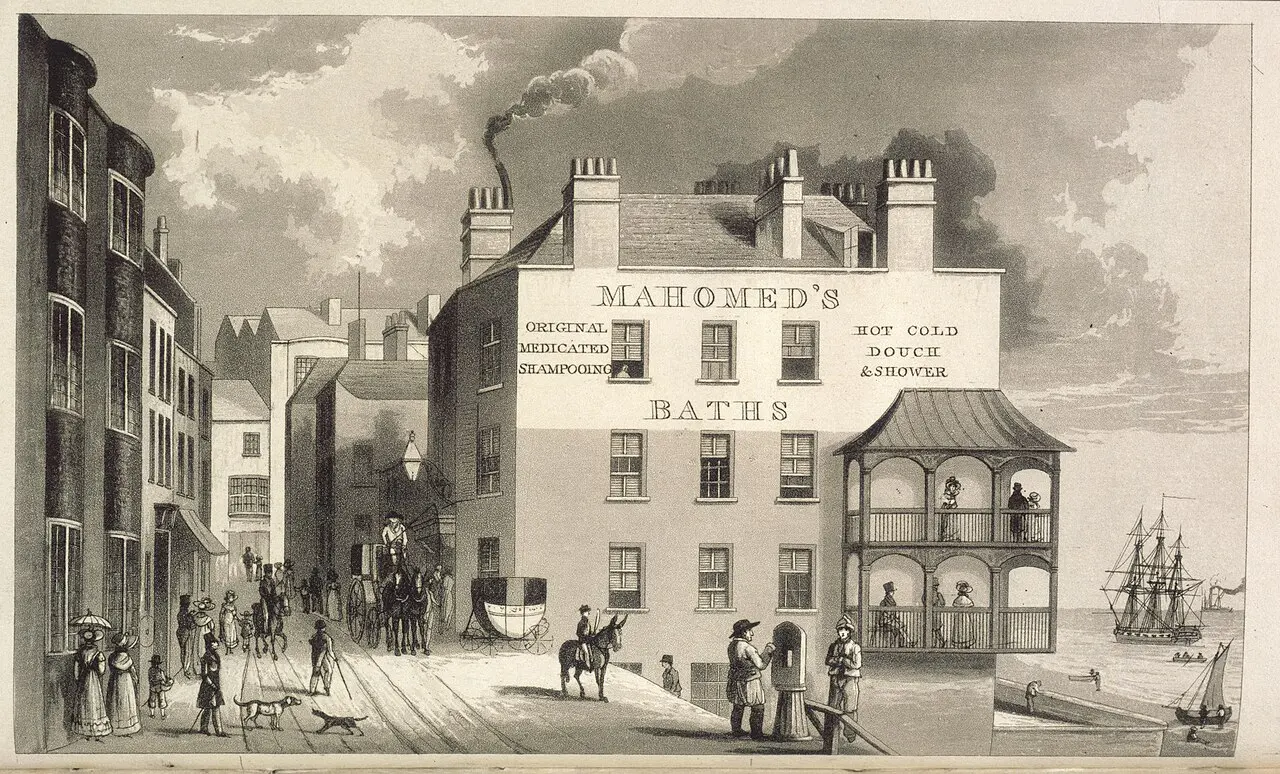
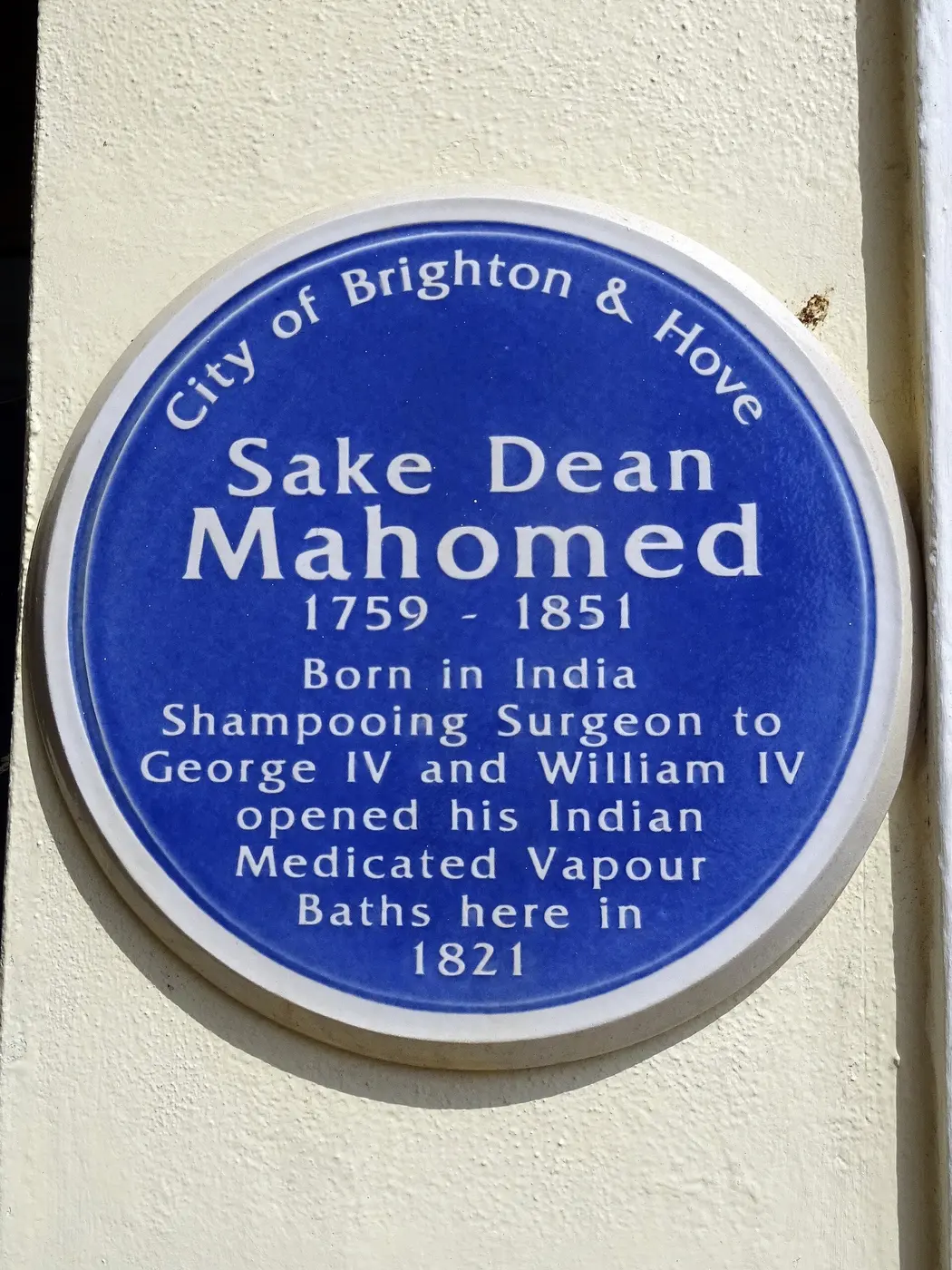
The man best known for spreading the word in Britain is Dean Mahomed (1759–1851), who was born in India. After serving in the army of the British East India Company, including as a trainee surgeon, he moved to Britain by way of Ireland, and in 1794 he became the first Indian to publish a book in English. In 1810 he also opened the Hindoostane Coffee House in London, said to be the first Indian restaurant in England.
In the 1810s, Mahomed moved to the seaside resort of Brighton and opened baths that combined Indian herbal vapor baths with “shampooing,” or massage. He advertised them as a cure for rheumatism, stiff joints and the like, and his wife Jane, who also had “the art of shampooing,” ran the ladies’ baths. The business became famous, and in 1822 he published a book called Shampooing. He was eventually appointed “shampooing surgeon” to King George IV and King William IV.

From kneading to washing
The first recorded use of shampoo in the sense of “washing the hair” dates from 1860. Somewhere along the way, a word that meant kneading came to mean washing.
From the late 19th to the early 20th century, products made specifically for washing hair went on sale. In 1927, Hans Schwarzkopf in Germany improved liquid shampoo for mass production and launched a brand bearing his own name. And so shampoo spread around the world as the name for the stuff we wash our hair with.

Shampoo in Japan
People in Japan have long found ways to wash their hair. The Engishiki, a book of court regulations compiled in the early 10th century during the Heian period, records that rice-rinsing water and powdered white adzuki beans were used to wash hair at the imperial court. Until around the Kamakura period (1185–1333), the slimy sap that seeps out when the vine binankazura is soaked in water was also used to wash and style hair.
The word “shampoo” came into wide use in Japan in the early Showa era. In 1932, the company Kao launched Kao Shampoo. Kao describes the product as having made “shampoo” an everyday word and greatly changed how Japanese people washed their hair.
In 1987, asashan, short for “morning shampoo,” won an award in Japan’s annual buzzword contest. High school students had shortened the phrase “morning shampoo” from a TV commercial by the cosmetics company Shiseido. A word that began as “press!” in India went on to spawn new words in Japan.