How old is the Japanese word “yabai”?
Already in the Edo period, people used the word “yaba” to mean “dangerous.”
“Kono ryōri, yabai.” If someone says that about a dish today, they almost certainly mean “This is amazingly good.” Usable when something is dangerous, when you are startled and when you are moved, “yabai” (やばい) is an incredibly handy word, something like “crazy” or “insane” in English slang. At the same time, it is the prime example people cite when they frown and grumble about “the way young people talk these days.”
If you think of it as “new Japanese,” though, the story is a little different. The ancestor of “yabai” was already in use on the streets of Edo, the old name for Tokyo, more than 200 years ago.
“Yaba” in the books of Edo
Searching through written records, the word “yaba” (やば) turns up in the late 18th century. It meant things like “dangerous,” “against the law” or “in a bad way.”
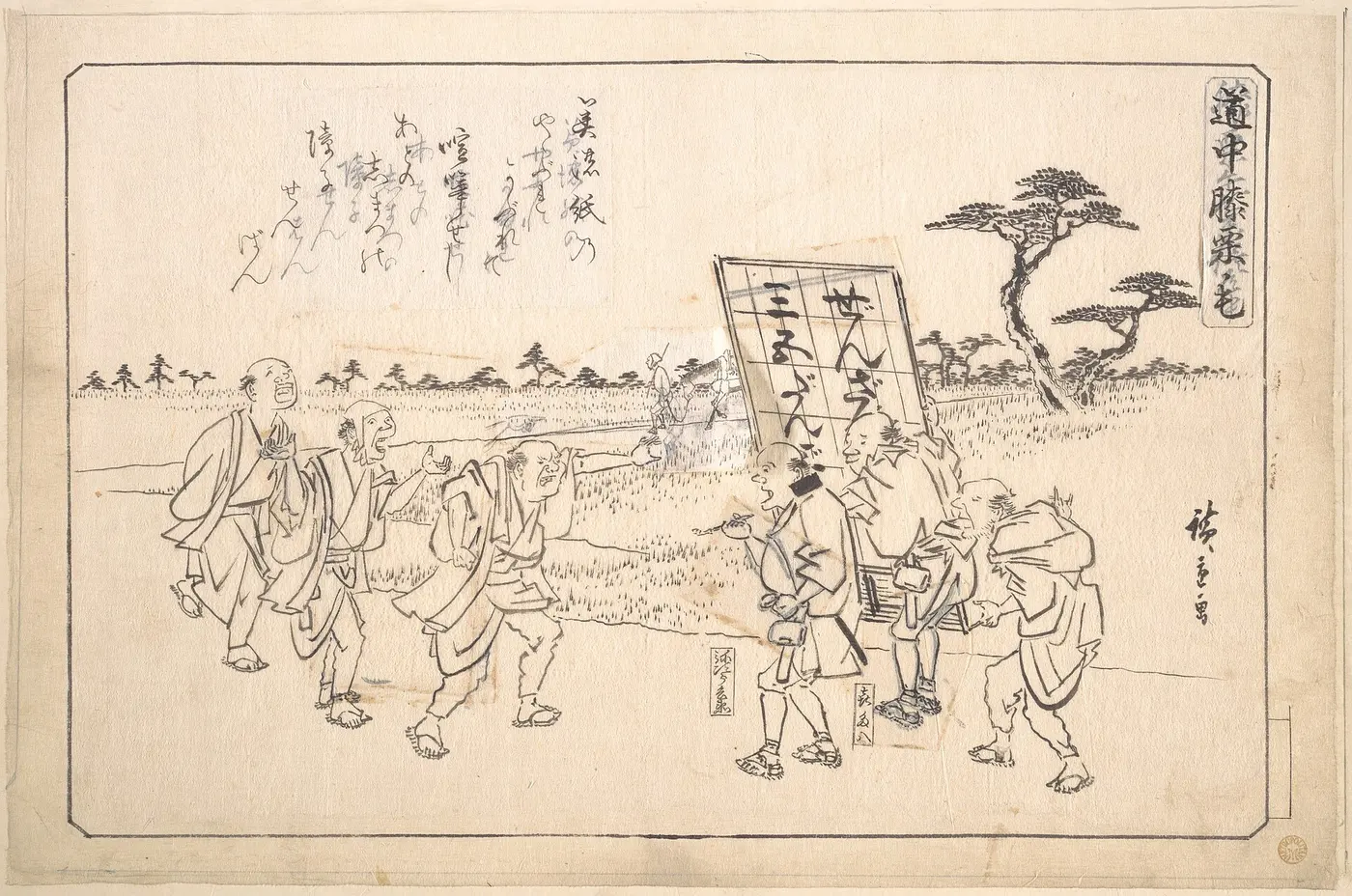
A well-known example comes from Tōkaidōchū Hizakurige, a comic novel by Jippensha Ikku about two travelers on the great highway between Edo and Kyoto. In this hugely popular work, which began publication in the early 19th century, a character says, “Odorera, yaba na koto hatarakikusaru na,” roughly, “Don’t you lot go doing anything dangerous.” Here “yaba” is used not as the adjective “yabai” but in the form “yaba na.”

“Yaba” is also said to have been underworld jargon, used among people who had to keep an eye out for the authorities, such as thieves and gamblers. Adding -i, the ending that turns words into adjectives, gave “yabai,” and for a long time afterward the word kept its flavor as the language of the underworld and of delinquents.
Archery booth or jail? An etymology without a verdict
So where did “yaba” itself come from? There are several theories.
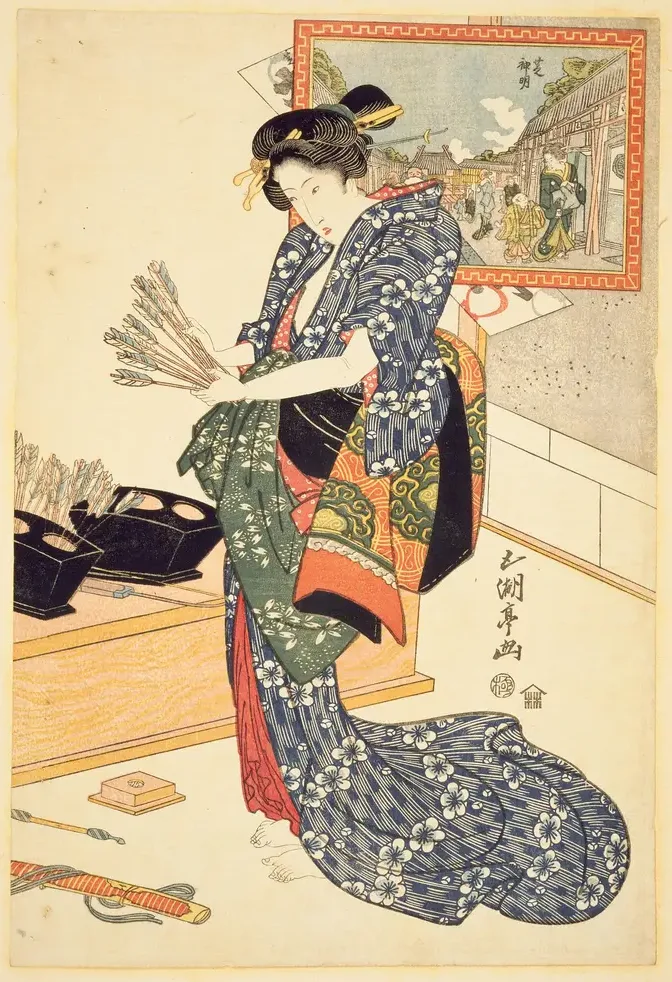
One is the yaba (矢場) theory. Edo had amusement halls called yaba, “arrow grounds,” where people paid to shoot arrows at targets. They were places of entertainment on the surface, but shady business sometimes went on behind the scenes, so getting near one might draw the attention of officials and land you in a “yabai” situation. Another is the yakuba (厄場) theory, which traces the word to a term for a jail or its guards. There are also theories that it is a shortened form of “ayabui” (危ぶい, “perilous”) or “iya abunai” (“oh, that’s dangerous”).
Each of these makes a plausible story, but none has conclusive evidence behind it. The dictionary editor Hiroaki Iima has said that the “ayabui” theory and others like it can’t be found in written sources and aren’t credible, and that the only thing to say seems to be that the origin of “yaba” is unknown. We can trace roughly when a word came into use and still have no idea where it came from. In the world of etymology, that is nothing unusual.

From “dangerous” to “awesome”
For a long time “yabai” meant “bad news” or “dangerous.” It took on another face in the latter half of the Shōwa era (1926–1989). Essays and other writings record that in the 1970s, jazz musicians were using it to mean “tremendous.”
That usage began spreading among young people around the end of the 1990s, and in the 2000s the new meaning started appearing in Japanese dictionaries. In a national survey on the Japanese language conducted by Japan’s Agency for Cultural Affairs in January 2015, 26.9 percent of all respondents said they sometimes used “yabai” to mean “really wonderful.” Among 16- to 19-year-olds, however, the figure rose to about 90 percent.
Words that flip their meaning
“Yabai” is not the only word to have turned from bad to good.
Take “sugoi” (すごい), now the standard Japanese word for “amazing.” Its classical ancestor, “sugoshi,” meant chillingly lonely or frightening. It went on to express that something was extreme in degree, and today it is the go-to word of praise. A force so great it gave you chills gradually became “wonderful.”
You can sense the same shift of feeling in “yabai.” Food so good it’s almost dangerous; so moved you feel you might come undone. Words survive by keeping pace with the emotional swings of the people who use them, sometimes flipping their meaning on the way.