Why is seawater salty?
Substances dissolved from rocks on land by rain, plus volcanic gases, built up in the ocean over eons.
3.5%
There is an old Japanese folktale about a magic hand mill that produces whatever its owner wishes for. A man steals the mill and, out on a boat, orders it to make salt, but he has no idea how to make it stop. The mill keeps pouring out salt until the boat sinks to the bottom of the sea. And that, the story goes, is why the sea is salty to this day. Very similar tales are told in Scandinavia and elsewhere, a sign that the mystery of the ocean’s salt has captured people’s imaginations for a very long time.
Of course, there is no mill still grinding away on the seafloor. So where did the sea’s salt really come from?
About 35 grams of salts in every liter
On average, seawater contains about 3.5 percent dissolved salts. In one liter of seawater, that comes to about 35 grams, or roughly two tablespoons’ worth. The most abundant of the dissolved components are chloride ions and sodium ions, and when these two combine, you get the familiar table salt, sodium chloride. Seawater also contains many other components, including magnesium, sulfate ions, calcium, and potassium.
The total amount of salt dissolved in the world’s oceans is mind-boggling. According to the US Geological Survey (USGS), if all the salt in the sea were taken out and spread evenly over the land, it would form a layer more than 160 meters (about 525 feet) thick. That is about as tall as a 40-story building.
Rain and rivers carry the salt
One major source of the ocean’s ingredients is rock on land. Rain absorbs a small amount of carbon dioxide from the air, which makes it very slightly acidic. Over long ages, this rain slowly dissolves rock, and rivers carry the sodium, calcium, and other components it releases down to the sea.
River water doesn’t taste salty because the amount dissolved in it is tiny. But the components that reach the sea accumulate there. When seawater is warmed by the Sun and evaporates, only the water rises into the sky; the dissolved components are left behind in the ocean. The water vapor falls back on land as rain, and dissolves more rock. As this cycle repeated over a mind-bending span of time, the sea grew to the saltiness it has today.
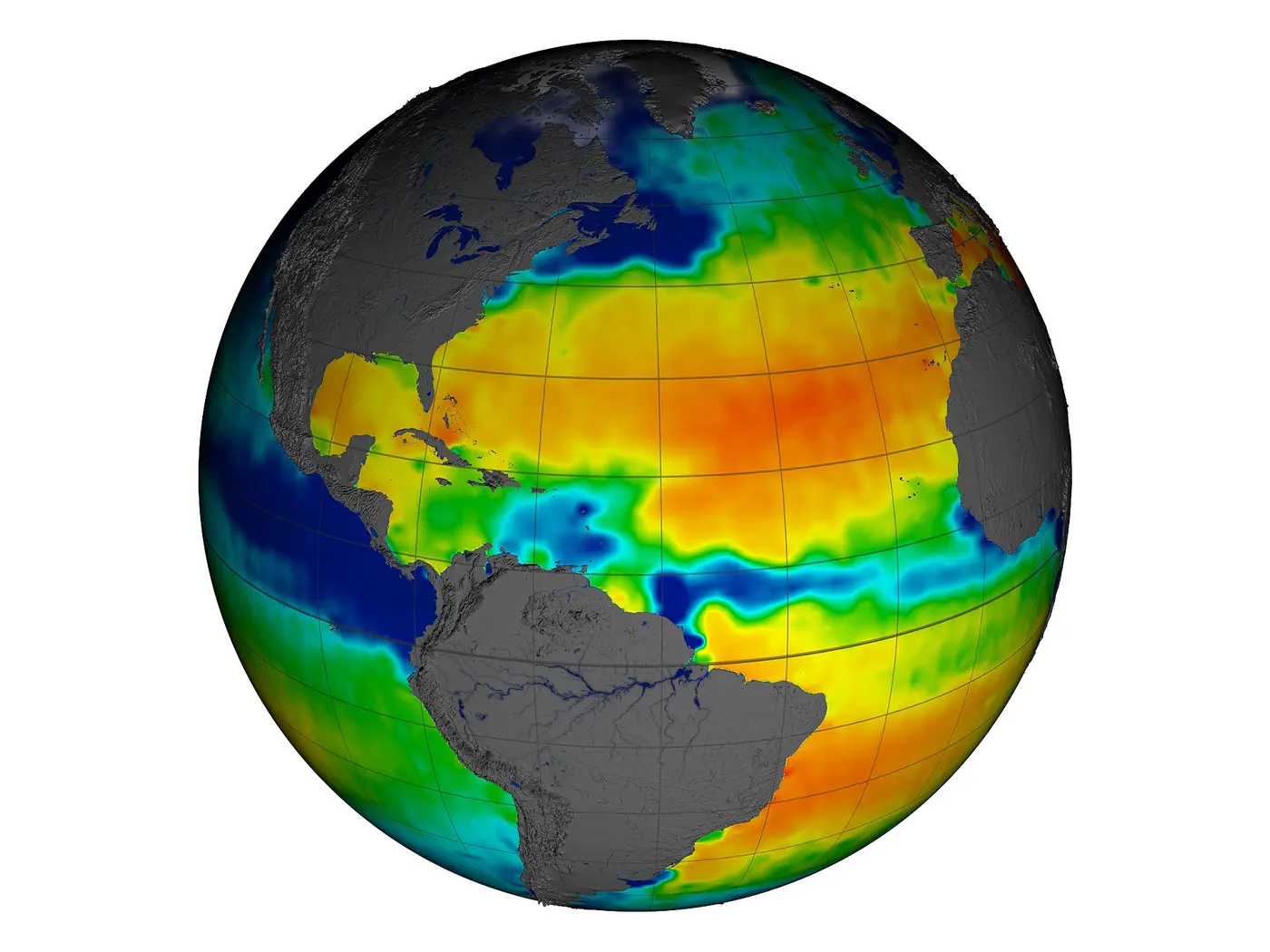

The saltiness of the sea surface varies a little from place to place. It is higher in subtropical seas, where there is little rain and lots of evaporation, and lower in rainy regions and off the mouths of great rivers such as the Amazon.
The chlorine came from volcanoes
Rocks alone, however, can’t explain everything. The star ingredient of seawater, the chloride ion—in other words, chlorine—is not especially plentiful in rocks on land.
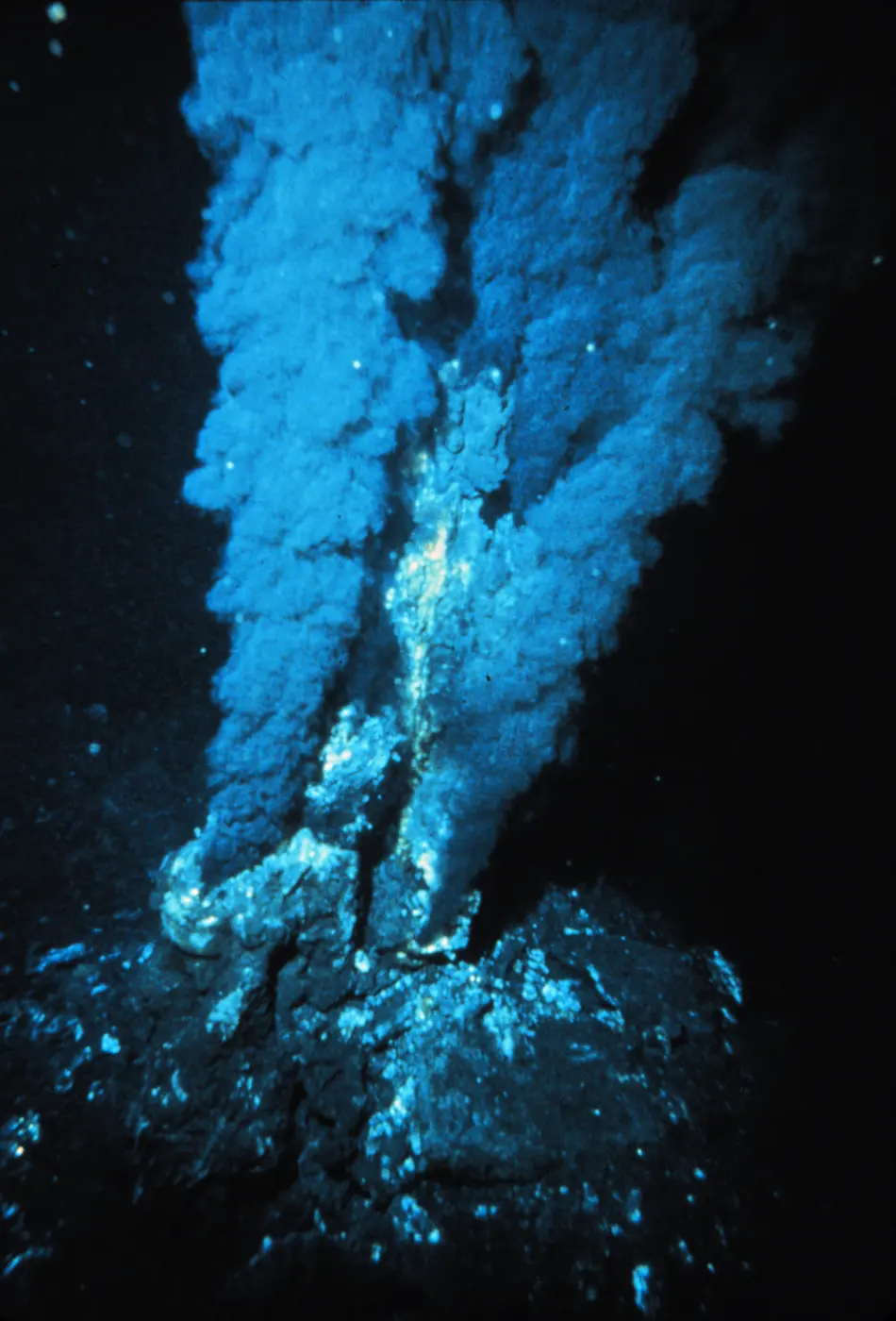
The main source of chlorine is thought to be volcanoes. Volcanic gases erupting from deep inside the Earth contain chlorine-bearing compounds such as hydrogen chloride. Not long after the Earth was born, chlorine and other substances released into the atmosphere by intense volcanic activity dissolved in rain and flowed into the sea. The newborn ocean is thought to have been strongly acidic. It appears to have been neutralized over time as it vigorously dissolved the surrounding rock, taking in sodium and other elements as it did.

Is the sea getting saltier and saltier?
If rivers keep delivering dissolved material, will the sea keep growing saltier? In fact, the ocean’s saltiness is thought not to have changed much for at least the past several hundred million years. Whatever comes in, something also goes out.
Interestingly, the proportions of dissolved components in river water and in seawater are quite different. River water is relatively rich in calcium, for example, but corals, shellfish, and other creatures use calcium to build their shells and skeletons, which eventually pile up on the seafloor and are removed from the water. Other components gradually leave the sea too, either taken up into seafloor sediments or reacting with the rocks of the ocean floor. Sometimes thick layers of salt, left behind when shallow seas dried up, are preserved among the rock strata. Because these inputs and outputs roughly balance out, the saltiness of the sea stays more or less constant.