Why can you see your breath on a cold day?
The water vapor in your breath is chilled by the cold air and turns into tiny visible water droplets, the same way clouds and steam form.
5–6%
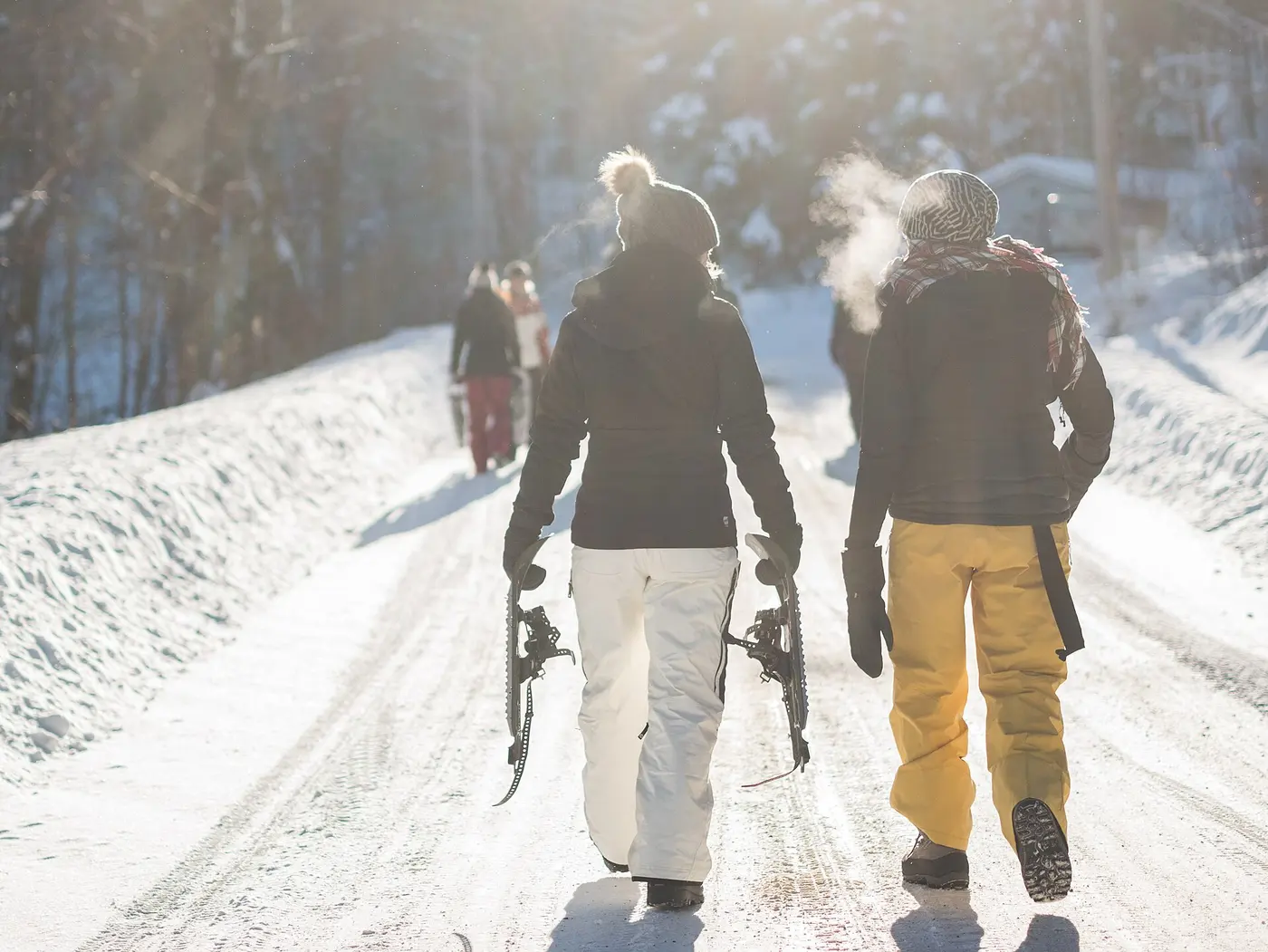
Step outside on a winter morning, let out a long breath, and a white cloud blooms in front of your mouth before quickly fading away. Visible breath is one of the surest signs that winter has arrived.
Yet we breathe the same way all year, and in summer our breath stays invisible. Why does it turn white only in the cold? The answer has to do with the water in our breath and the temperature of the air around us.
The white stuff isn’t water vapor
First, it helps to know what you are actually seeing. Water vapor, water in the form of a gas, is invisible. What looks white is a mass of tiny water droplets that formed when the vapor cooled and condensed. The steam you see puffing from a kettle and the clouds in the sky are made of fine droplets in the same way. Because these tiny droplets scatter light in every direction, they look white.
Where does the water come from? As we inhale, the air is warmed in the nose and throat, and by the time it reaches the lungs it is saturated with water vapor. As a result, the air we breathe out contains about 5 to 6 percent water vapor.

Cold air can’t hold much water
There is a limit to how much water vapor air can hold, and that limit depends on temperature: the warmer the air, the more vapor it can carry. Measured as the pressure of water vapor when air is fully saturated, the limit is about 6.3 kilopascals at body temperature, 37°C (99°F). At 20°C (68°F) it is about 2.3, at 10°C (50°F) about 1.2, and at 0°C (32°F) only about 0.61. Each 10-degree drop roughly halves it, so air at freezing can hold only about a tenth as much water vapor as air at body temperature.
When your warm, vapor-laden breath meets cold winter air, it mixes with that air and cools rapidly. The vapor that the cooled mixture can no longer hold turns into fine droplets, and that is the white breath you see. The white “smoke” that pours off dry ice forms in a similar way, from moisture in the air that gets chilled into droplets and ice crystals. In summer, by contrast, the outside air is warm, so breath mixing with it rarely goes over the limit, and the vapor drifts off unseen.
Why does it disappear so fast?
White breath vanishes almost as soon as it leaves your mouth. As it keeps mixing with more of the surrounding air, it is diluted, the proportion of water vapor drops, and the droplets that formed evaporate back into vapor.
That means temperature isn’t the only thing that matters. If the surrounding air is already humid, it has little room to take on more vapor, so droplets form more easily and linger longer. If the air is very dry, any droplets that form evaporate quickly.
In truly bitter cold, the moisture in your breath does more than condense: it freezes. The US National Park Service notes that at extremely cold temperatures, breath quickly condenses and freezes, giving a frosty look to eyelashes, clothing and beards.
A white breath in the sky
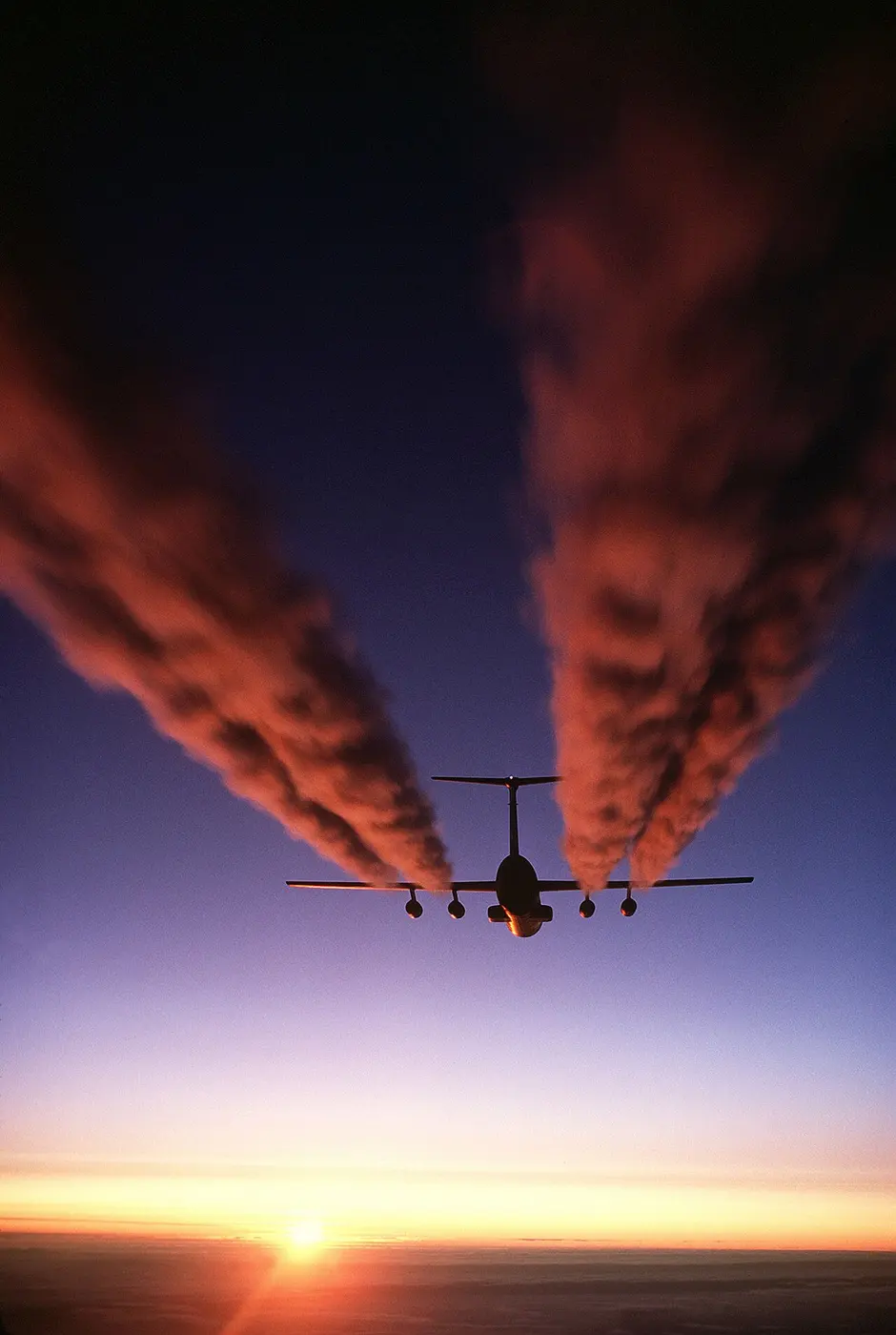
The same process happens high in the sky, in the form of contrails. Jet engine exhaust is rich in water vapor. When it enters cold air, it pushes the local humidity past the saturation point, the vapor condenses into fine droplets, and if it is cold enough these freeze into ice crystals. Exhaust contrails usually form above about 8,000 meters (26,000 feet), where the air is colder than −36.5°C (−34°F), though they can form lower down when the air is cold and moist.