Why do water pipes burst in winter?
Water gets trapped between an ice plug and a closed faucet. As more of it freezes and expands, the pressure in that stretch of pipe soars.
270atm
A cold snap arrives, and in the morning you turn on the tap and get nothing. Later, as the day warms up, water starts gushing out of the wall. Frozen and burst pipes are a familiar winter headache wherever the temperature drops well below freezing.
Water expands by about 9 percent when it freezes. So it seems obvious that ice growing inside a pipe must split it open from within. Yet experiments carried out in the United States showed that the real mechanism is a little different.
It’s not the ice that does it
In 1996, Jeffrey Gordon of the Building Research Council at the University of Illinois published a report on tests in which water pipes were deliberately frozen until they burst. The work was done for an insurance-industry research organization.
The central finding, as the report put it, was this: “freezing water pipes do not burst directly from physical pressure applied by growing ice, but from excessive water pressure.”
Water beginning to freeze inside a pipe does not, by itself, put the pipe in danger. As long as the pipe is still open to the water system upstream, the extra volume created by freezing is simply pushed back into the larger system. In the report’s words, “A pipe that is open on one end cannot be pressurized, and thus will not burst.”
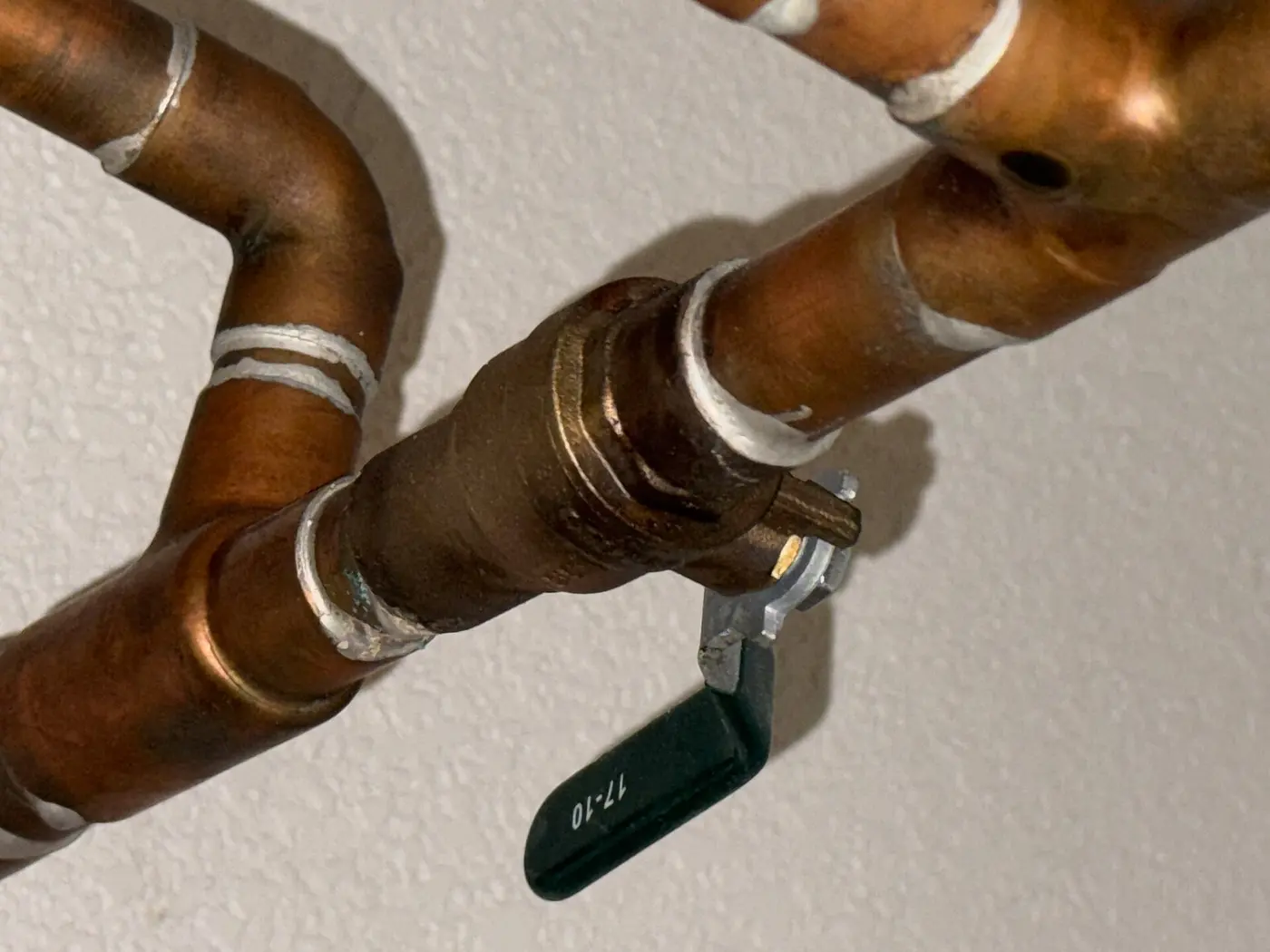

Trapped between ice and faucet
Everything changes once ice blocks the pipe completely. Water is now trapped between the ice plug and a closed outlet such as a faucet or shower. Because water barely compresses, any further ice forming in that confined stretch has nowhere to go, and the pressure climbs rapidly.
In one of Gordon’s tests, a 3/4-inch copper pipe running through an unheated attic reached a pressure of about 4,000 pounds per square inch, or roughly 270 times normal atmospheric pressure. The pipe bulged, its wall stretched thinner, and then it burst.
This is why a pipe doesn’t necessarily split where the ice is. It fails at the weakest point between the ice plug and the faucet. A pipe that freezes inside a cold outside wall can cause a pipe or joint under a bathroom sink, in a warm part of the house, to give way.
Why a dripping faucet helps
This also explains the familiar advice to leave a tap dripping on very cold nights. Moving water is less likely to freeze, and an open faucet, even one barely open, keeps water from being trapped against an ice plug, so the pressure has an escape route. The American Red Cross recommends letting cold water drip from faucets served by exposed pipes. It also suggests opening the cabinet doors under kitchen and bathroom sinks so warm room air can reach the plumbing, and keeping the heat set no lower than 55°F (about 13°C) if you go away in cold weather.
In Japan, local governments tell residents to be especially careful when the overnight low is forecast to fall to −4°C (25°F) or below. Pipes exposed along outside walls, in shade on the north side of a building or in windy spots freeze most easily, and wrapping them in insulation is recommended. Hokkaido University, in the snowy northern city of Sapporo, tells its international students to always drain their water pipes, a routine known in Japanese as mizunuki, whenever they will be away for a day or more or the temperature drops to −4°C or lower.
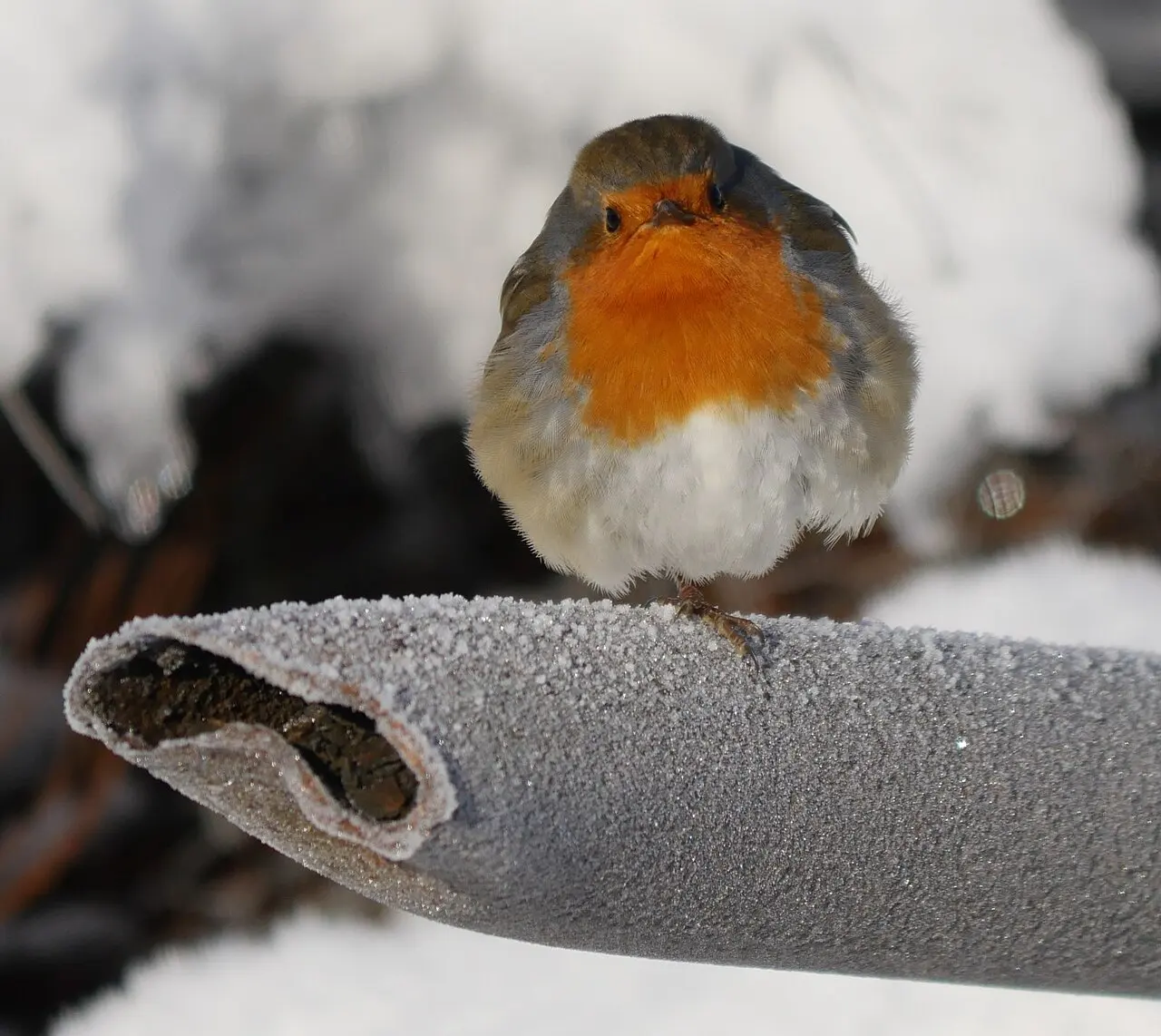

If a pipe does freeze, do not pour boiling water on it, as that can make it burst. It is better to let it thaw naturally, or wrap it in a towel and slowly pour lukewarm water over it.