Can hot water freeze faster than cold?
People have claimed so since ancient times, but results depend on the conditions, and whether it really happens with water is still debated.
Hot water and cold water, the same amount of each, in the same freezer. Surely the cold water freezes first. After all, the hot water has to cool down to the cold water’s starting temperature before it can get any further.
Yet the claim that hot water can sometimes freeze first has surfaced again and again over the centuries. Today the puzzle is named after a schoolboy: it is called the Mpemba effect.
A schoolboy’s discovery
In 1963, Erasto Mpemba, a student of about 13 at Magamba Secondary School in Tanganyika (now Tanzania), was making ice cream in a cookery class. Short of time, he put his warm milk mixture straight into the freezer without letting it cool first. It froze before the mixtures of classmates who had waited for theirs to cool.
When he told his physics teacher, he was told it was impossible. Later, when the British physicist Denis Osborne gave a guest lecture at the school, Mpemba asked him a question: if you put equal amounts of water at 35°C and at 100°C into a freezer, the one that started at 100°C freezes first. Why? Teachers and classmates laughed at the idea, but Osborne invited Mpemba to his university in Dar es Salaam to test it. In 1969 the two published their results in the journal Physics Education.
Aristotle got there first
The idea was not new. More than 2,000 years ago, the Greek philosopher Aristotle wrote: “The fact that the water has previously been warmed contributes to its freezing quickly: for so it cools sooner.”
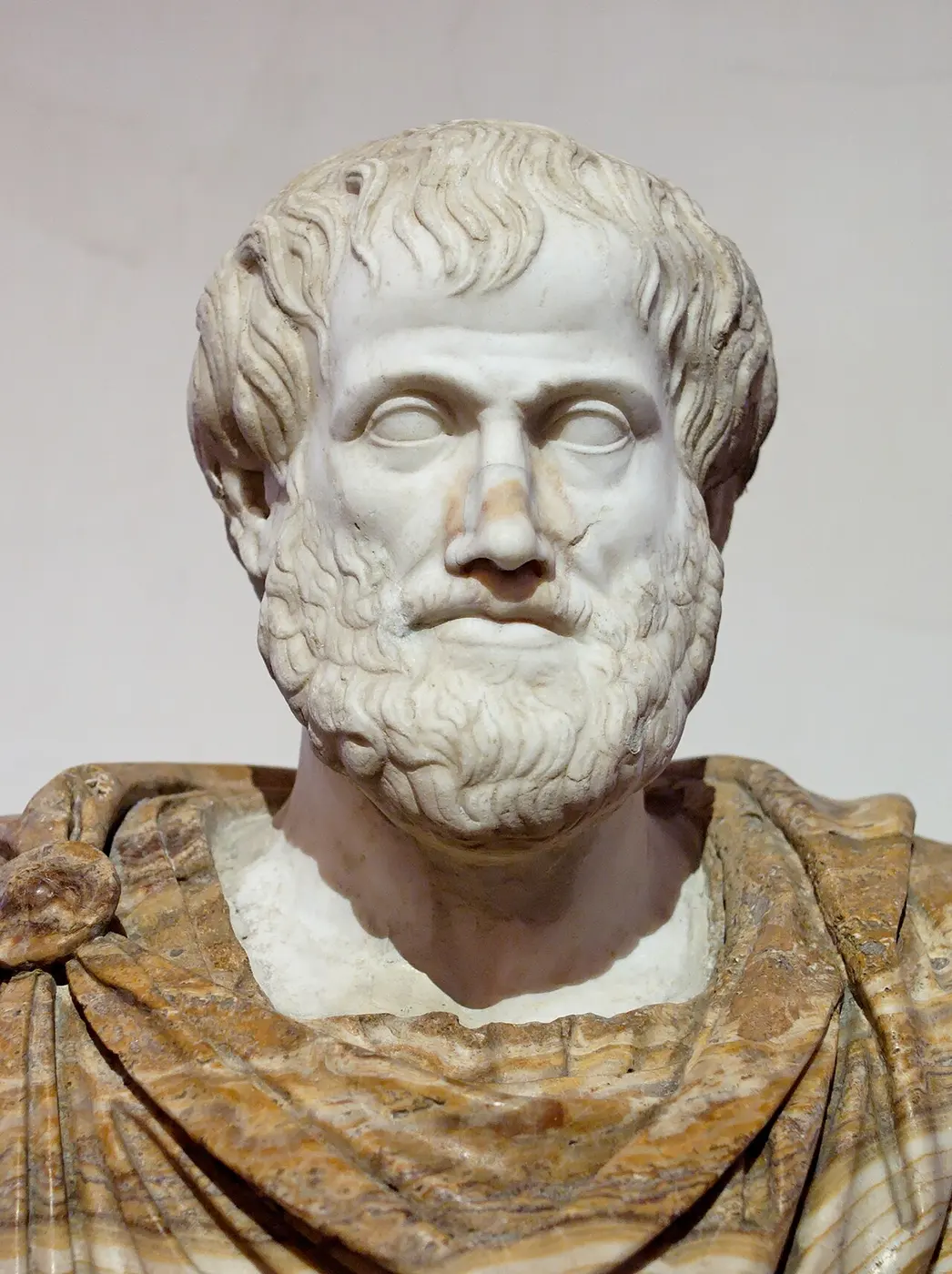

In the 17th century, the English philosopher Francis Bacon noted that slightly tepid water freezes more easily than water that is utterly cold. The French philosopher René Descartes also claimed that water kept on a fire for a long time freezes faster, and tried to explain why using his own theory.
Many explanations, few repeatable results
If hot water really does freeze first, why? Plenty of explanations have been put forward. Hot water loses some of its volume to evaporation. The currents inside the container behave differently. Cold water holds more dissolved gas. A hot container melts the frost underneath it and makes better contact with the cold. Cold water is more prone to supercooling, staying liquid below 0°C (32°F).
But when scientists try to pin the effect down under carefully controlled conditions, it gets slippery. In 2016, researchers at the University of Cambridge and Imperial College London reviewed earlier experiments and carried out their own, cooling water under tightly controlled conditions. They concluded, “somewhat sadly, that there is no evidence to support meaningful observations of the Mpemba effect.” The large differences seen in earlier experiments could not be reproduced, and small ones could arise simply from where the thermometer was placed.
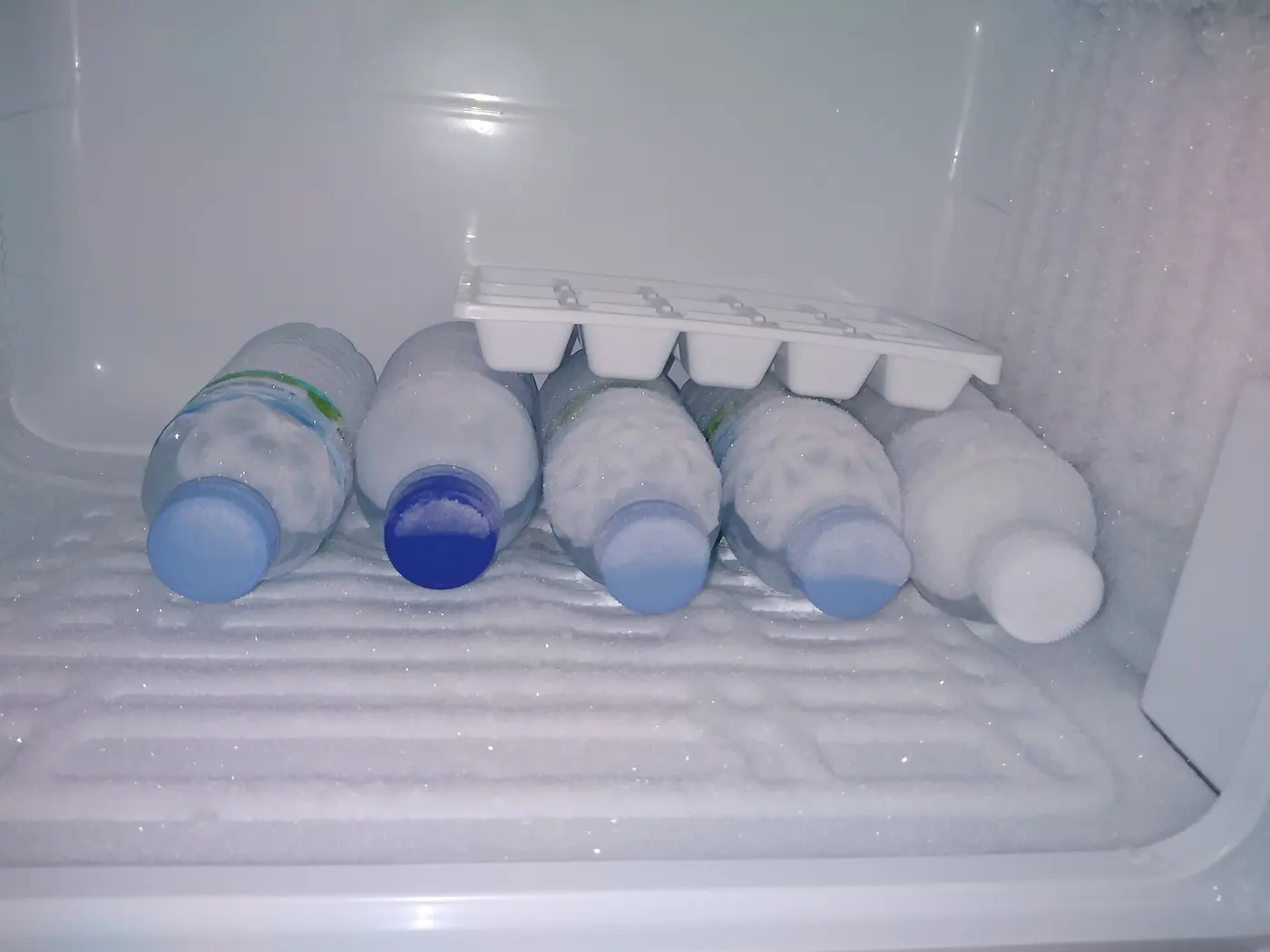

Part of the difficulty is that “freezing” itself is vague. Does it mean the moment ice first appears, or the moment the water is frozen solid? Results can also be swayed by small details such as impurities in the water, how clean the container is and how many times the water has been heated.
A Mpemba effect beyond water
Meanwhile, the effect has been caught clearly in a very different setting. In 2020, physicists at Simon Fraser University in Canada studied a single tiny particle floating in water, pushed around by “optical tweezers” that use the force of laser light. They showed that the particle could settle into its cold state faster when it started out hot than when it started out merely warm. With carefully chosen settings, the cooling was exponentially faster than usual.
Since then, researchers have reported similar effects in the quantum states of atoms and ions. Whether hot water truly freezes faster remains unsettled. But the strange idea that something hot can cool down faster than something warm has become a lively topic in modern physics.