What is a violin bow made of?
The hair is horsehair from the tail, and the finest sticks are made of pernambuco, a tree from Brazil’s forests.
160–180
The sound of a violin or cello comes from drawing a bow across the strings. The left hand presses the strings while the right hand moves the bow smoothly back and forth, and out comes that singing, almost weeping tone.
The bow rarely gets much attention, but it is made from a surprising combination of materials. The part that touches the strings is animal hair, and the stick that holds it comes from a tree in a faraway South American forest. And on its own, the hair makes almost no sound at all.
Hair from a horse’s tail
The pale ribbon of hair on a bow is horsehair from the tail. According to the instrument maker Yamaha, a single violin bow uses about 160 to 180 hairs. Kinked or unusually thick hairs are weeded out, and only straight ones are laid side by side to form a flat ribbon.
White hair from Mongolian horses is especially popular. Some say it sounds better, but Yamaha suggests that the main reason is supply: Mongolia raises a great many horses, and their tails are long and bushy for their size. A 19th-century British dictionary of music notes that bows for the violin, viola and cello use white hair, while double bass bows use black.
No rosin, no sound
Draw clean hair across a string and you will hear next to nothing. Before playing, musicians rub the hair with rosin, the hardened sap of pine trees. It comes in yellow or dark cakes that leave a fine white powder on the hair, and that slightly sticky powder is what lets the bow grip the string.
Yamaha tried an experiment with bows strung with other materials instead of horsehair. Cotton thread made no sound at all on its own, but produced a thin, faint tone once rosin was applied. Fishing line, coated with so much rosin that it turned white, sounded surprisingly good. The hair matters, but without rosin, a bow barely works.
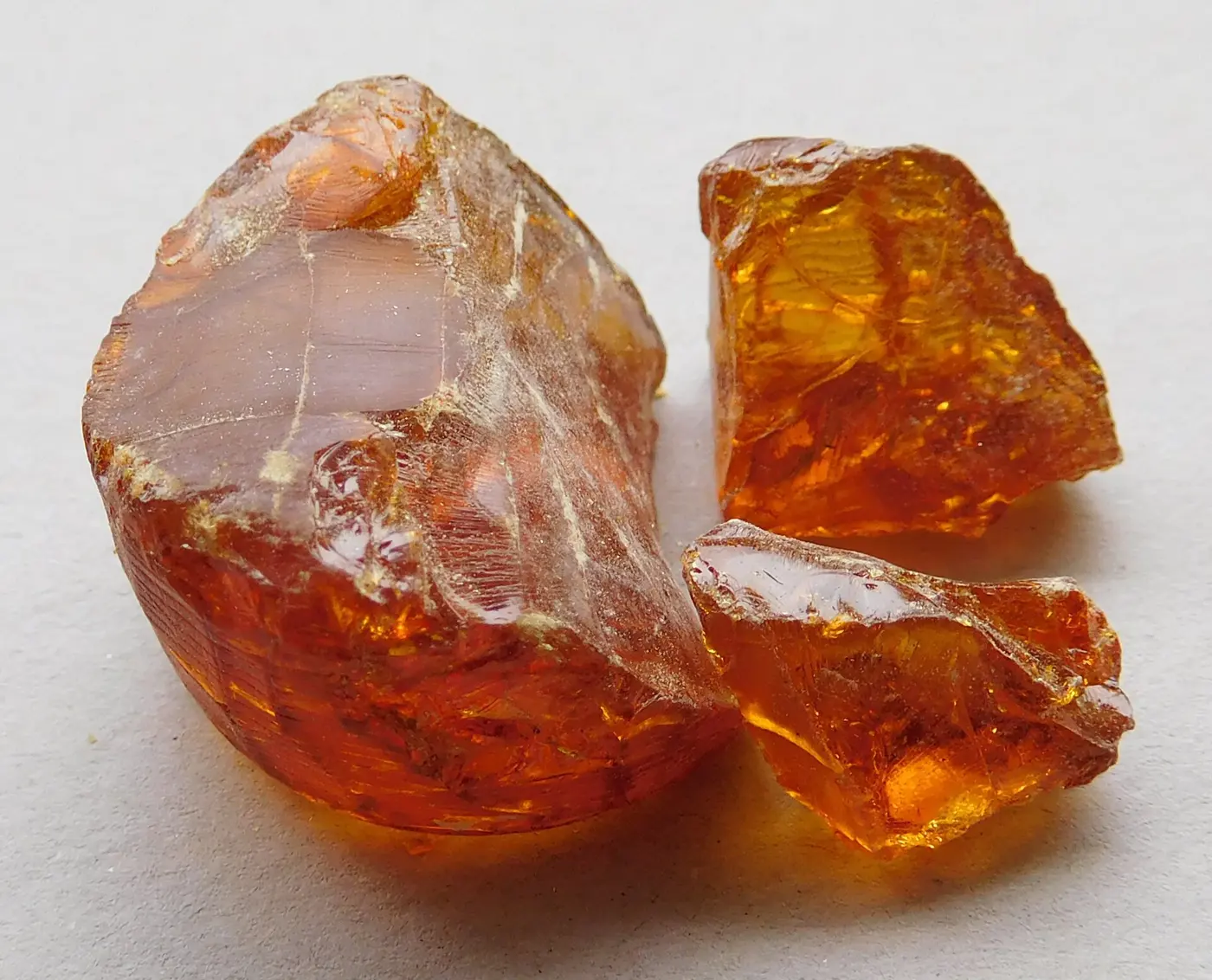

So how does a bow actually make a string sound? As physicists at the University of New South Wales in Australia explain, rosined hair has high friction while it is stuck to the string and much lower friction once it starts to slide. The bow grabs the string and drags it along until, at a certain point, the string slips free and snaps back, only to be caught again. This stick-slip cycle repeats in time with the string’s vibration. On a violin, a single cycle can take less than a thousandth of a second.
A stick from a Brazilian forest
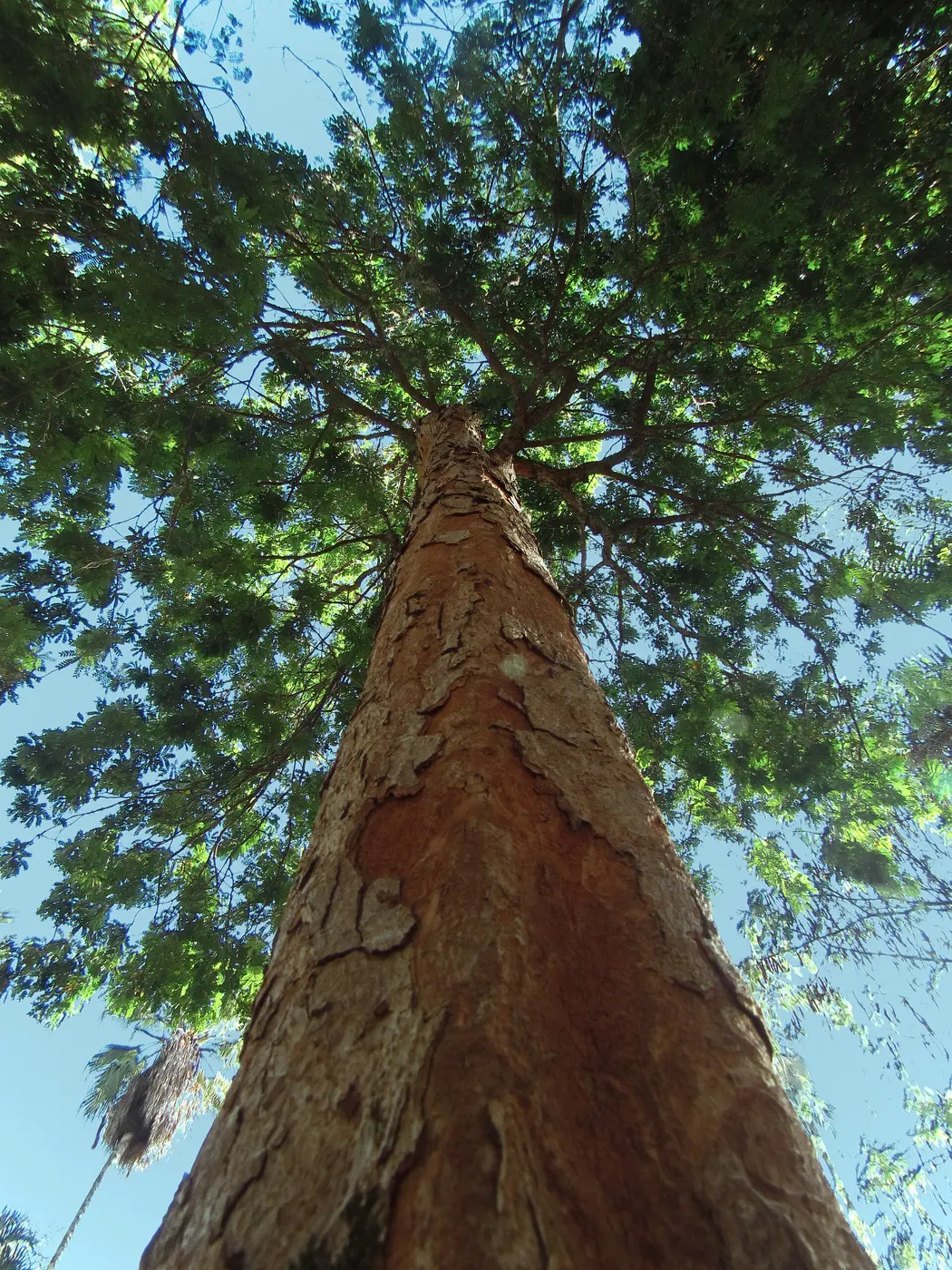
The most prized wood for the stick is pernambuco. It comes from a tree in the legume family that grows wild only in Brazil’s Atlantic Forest, and in Portuguese it is called pau-brasil.
After Europeans arrived in Brazil, the tree was felled and shipped to Europe as a source of dye. The French bow maker François Tourte, in the 18th century, is credited with recognizing that its heartwood was ideal for bows. Tourte is known as the craftsman who essentially perfected the modern bow, and according to a 19th-century British dictionary of music, he fixed the length of the violin bow at 29 to 29.5 inches (about 74 to 75 centimeters).
An international group of bow makers says that “no comparable substitute is known to bow makers or musicians.” Pernambuco is dense, and it holds the curve that a bow maker bends into it with heat.

A tree under protection
Cut first for dye and then for musical instruments, pernambuco became endangered. In 2007 it was added to Appendix II of CITES, the international treaty that regulates trade in wild plants and animals, so that exporting the wood or bow blanks now required a permit. In Brazil, authorities have seized more than 200,000 bows and bow blanks made from illegally harvested wood.
Brazil proposed moving the species to the stricter Appendix I at the treaty’s conferences in 2022 and 2025. Musicians worried that this could restrict even carrying a bow across a border. In the end, the tree stayed in Appendix II both times, but the rules were tightened. In 2025 the parties agreed on a zero export quota for wild-grown trees while keeping musicians free to travel with their instruments for non-commercial purposes.