Did the Titanic’s lookouts really have no binoculars?
Yes. Their locker key reportedly wasn’t on board, but whether binoculars would have helped is still debated.
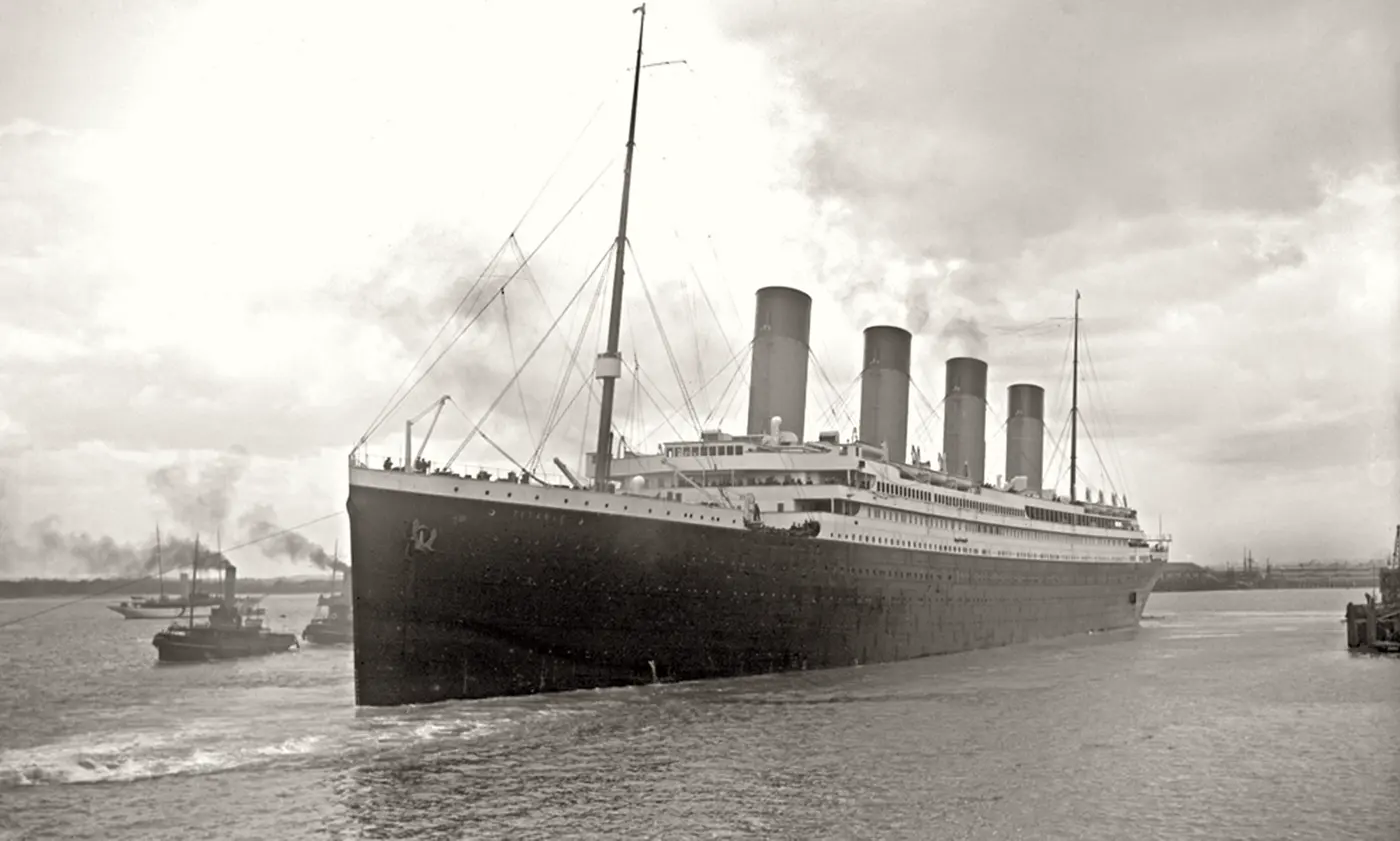
On April 10, 1912, the Titanic, one of the largest luxury liners in the world at the time, set out on her maiden voyage from Southampton, England, bound for New York. Four days later, late on the night of April 14, she struck an iceberg in the North Atlantic, and in the early hours of the 15th she sank. More than 1,500 people died.
Many “what ifs” have been passed down about the tragedy. One of them is the story that the crewmen on iceberg watch had no binoculars. That part is true. And the story goes that an officer who left the ship just before she sailed, and a small key, had something to do with it.
The tool that should have been in the crow’s nest
High on the Titanic’s foremast was a lookout platform, the spot known in English as the crow’s nest. On the night of the disaster, the two men on watch there were Frederick Fleet and Reginald Lee.
In later inquiries, the lookouts testified that they had been able to use binoculars during the delivery voyage from Belfast, where the ship was built, to Southampton, but had none after leaving Southampton. They had asked for binoculars, they said, but in the end none were issued.
The officer who left the ship, and a single key
The explanation that has been handed down involves the second officer, David Blair. Blair was originally part of the Titanic’s crew, but just before she sailed, a reshuffle of officers by the White Star Line, which operated the ship, meant he had to leave.

At that point, Blair is said to have accidentally walked off the ship still carrying the key to the locker where the lookouts’ binoculars were stored. The key remained in Blair’s possession for many years, and in 2007 it went up for auction, where it sold for a hefty price of about £90,000. Billed as “the key that may have sunk the Titanic,” it made headlines.
Would binoculars have saved her?
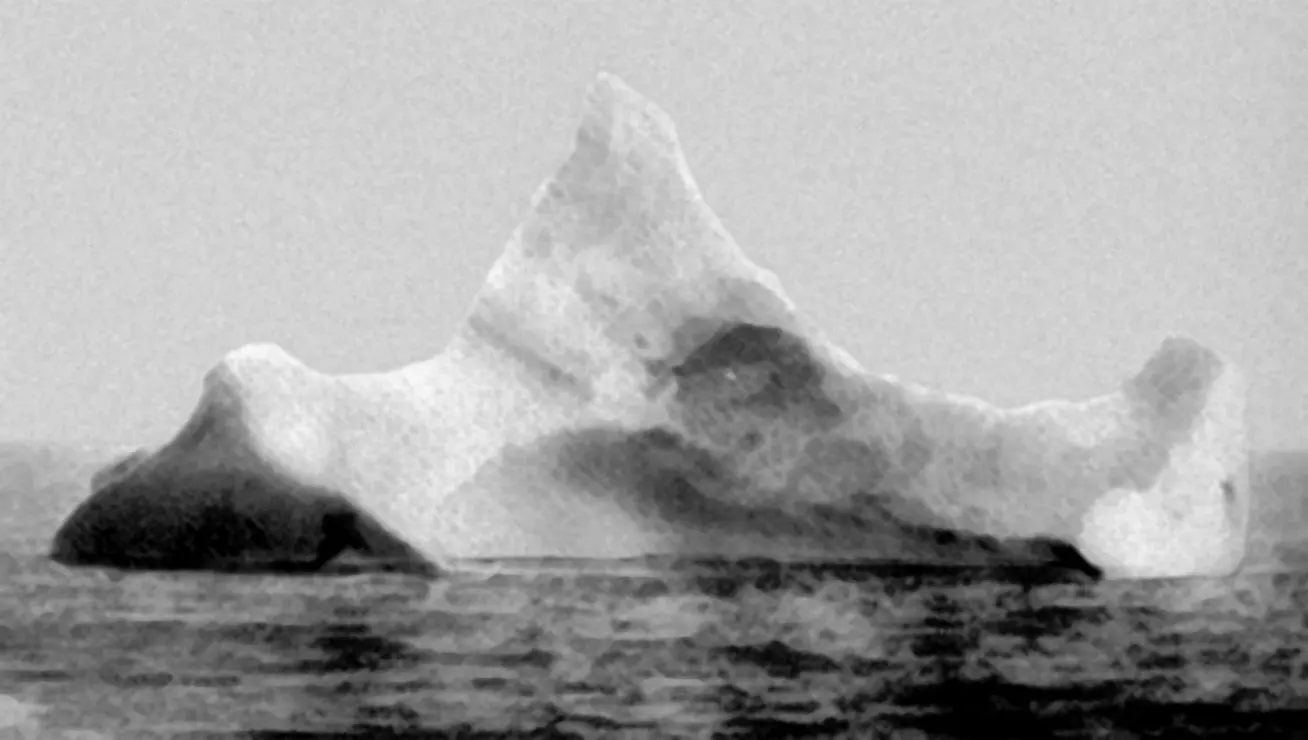
When Fleet spotted the iceberg, he rang the warning bell and telephoned the bridge: “Iceberg right ahead!” The ship swung hard to turn away, but it was too late. By one account, less than 40 seconds passed between the warning and the collision.
At the U.S. Senate inquiry, Fleet testified that with binoculars they could have seen the iceberg a bit sooner. Asked how much sooner, he replied, “Enough to get out of the way.”
On the other hand, there is a persistent view that binoculars would have made no difference. Binoculars have a narrow field of view, the argument goes, so the naked eye is actually better for scanning a wide expanse of sea to spot something. The official British inquiry, while pointing out that the lookout arrangements had been inadequate, concluded that binoculars were not necessary.
There was no moon that night, and the sea was unusually calm. Normally, waves would have broken white at the base of an iceberg, but there were none, and the iceberg is thought to have looked like nothing more than a dark shadow. Whether binoculars could have prevented the disaster is still a matter of debate.

What a small key can teach us
The Titanic disaster did not have a single cause. Many factors piled up: the ship kept up a high speed despite having received ice warnings, and there were not enough lifeboats for everyone on board, among others.
Major disasters usually grow out of a pile-up of small coincidences.
Perhaps the story of a single key is retold so often because it stirs the imagination: the thought that something tiny might have changed everyone’s fate.