What is the world’s oldest joke?
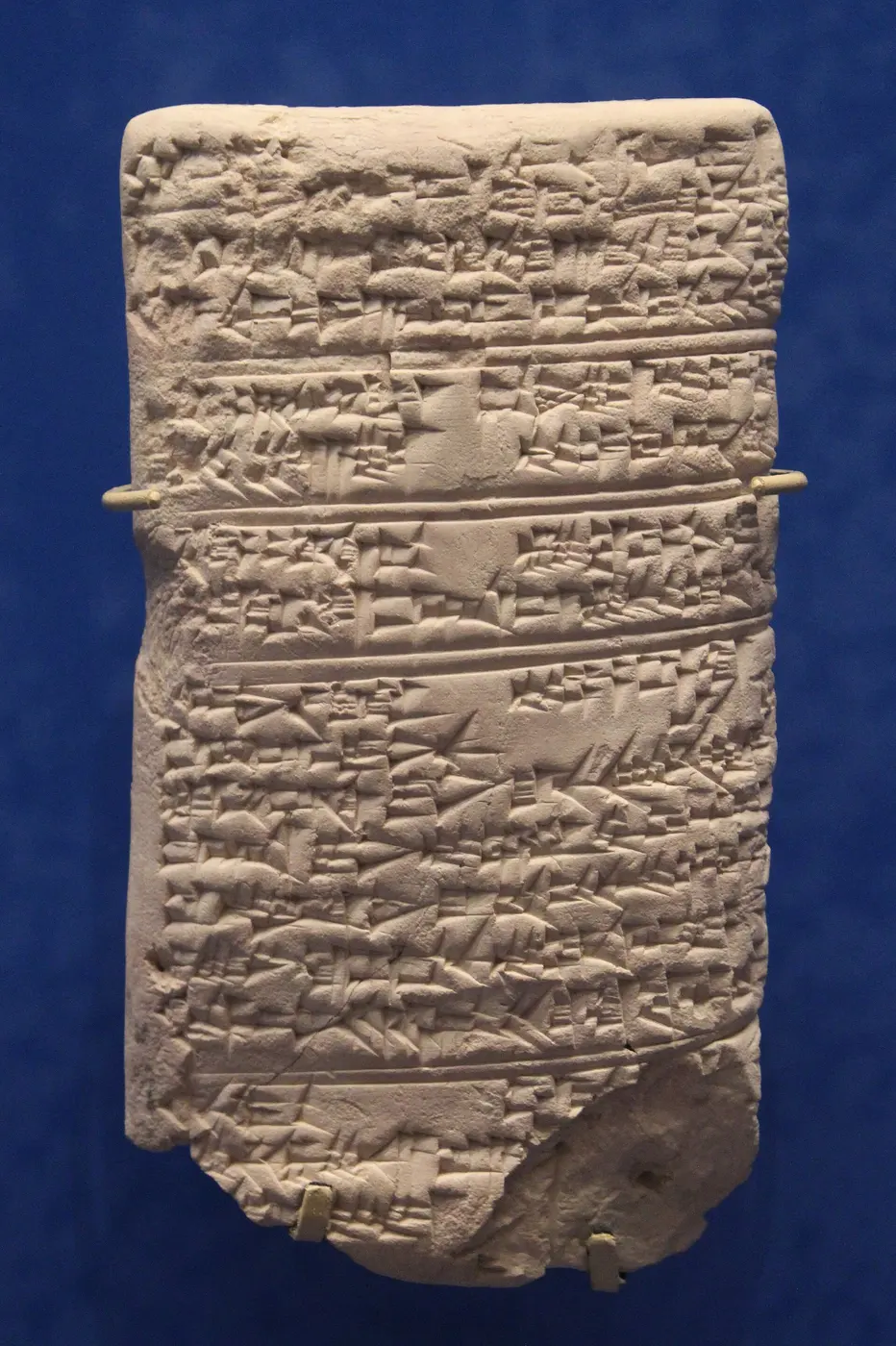
A Sumerian proverb about a fart, written down about 3,900 years ago, is considered the oldest.
3900years ago
Telling jokes and laughing together is surely a habit as old as humanity. But a joke passed by word of mouth vanishes the moment it is told. The only ones we can trace are those someone took the trouble to write down.
So what is the oldest joke on record? In 2008, a team of British researchers set out to answer that question, and came up with a candidate.
A fart joke from 4,000 years ago
The study was led by Dr. Paul McDonald and his team at the University of Wolverhampton in England. Commissioned by a TV channel, they spent about two months combing through humor handed down from ancient times. They counted only material with a clear setup and punch line.
The winner was a proverb from the Sumerians of ancient Mesopotamia.
Something which has never occurred since time immemorial: a young woman did not fart in her husband’s lap.
A solemn buildup, then an unexpectedly crude punch line. It was recorded on clay tablets from the Old Babylonian period around 1900 BC, and its origins may go back as far as about 2300 BC. A warning to new husbands, some 3,900 years old.

Humor lives next door to taboo
Are you a little disappointed that the world’s oldest joke is about passing gas? Dr. McDonald had a point to make about that. Jokes have taken many forms over the ages, he observed: question-and-answer, witty proverbs, riddles. What they all share is a willingness to deal with taboos and a degree of rebellion.
Saying out loud what people would rather not mention in company: that small breach of the rules eases the listener’s tension and sets off a laugh. People 4,000 years ago may well have laughed at the same things we do.
The same study also picked out other old jokes, among them a riddle about a “key,” with a double meaning, written in Anglo-Saxon England in the 10th century.
How do you entertain a bored king?
The second-oldest joke on the list came from ancient Egypt, around 1600 BC. The study presented it as a riddle: How do you entertain a bored pharaoh? You sail a boatload of young women dressed only in fishing nets down the Nile and urge the pharaoh to go catch a fish.
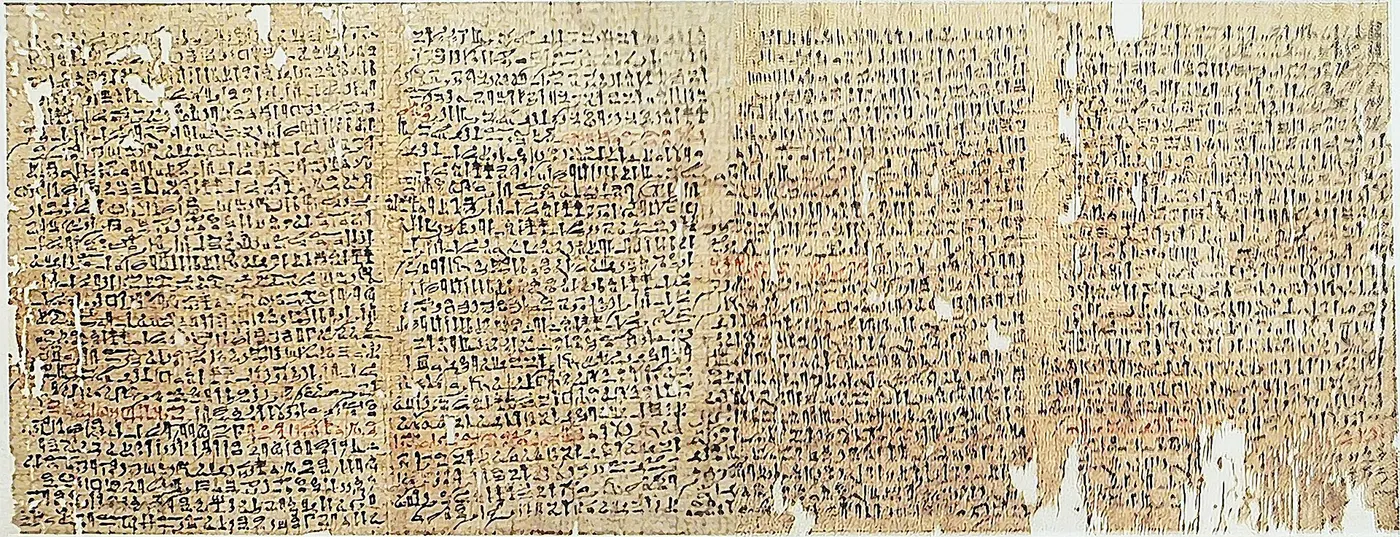

It is based on a story preserved in the Westcar Papyrus. King Sneferu is bored in his palace, and a priest suggests, “Why not have twenty young women row Your Majesty’s boat?” The women, dressed in nets, row him around a lake, and the king is delighted. In its original form, it is less a short joke than a scene from a tale set at the royal court.
A joke book from 1,600 years ago
The oldest surviving book-length collection of jokes is the Philogelos, written in ancient Greek. Its title means “The Laughter Lover,” and it is thought to have been compiled around the 4th century AD. It contains 264 jokes. Especially common are stories starring a “scholar” who is all theory and no common sense.
Here is one of them. A scholar, a bald man, and a barber are traveling together and agree to take turns keeping watch at night. The barber, on first watch, gets bored and shaves the sleeping scholar’s head. When his turn comes and he is woken up, the scholar rubs his head, finds it smooth, and says: “That idiot barber woke up the bald man instead of me.”
There is also one where a talkative barber asks a customer, “How shall I cut your hair?” and the customer replies, “In silence.” In 2008, a British comedian even performed jokes from the Philogelos in front of a modern audience.