Where does the baseball term “strike” come from?
From the English verb “strike,” to hit. Originally it meant a batter had swung at the ball.
The pitch sails right down the middle. The batter doesn’t so much as twitch. The umpire raises his right hand: “Strike!” Anyone who watches baseball sees this a hundred times a game.
But “strike” means to hit. How can a batter “strike” when he hasn’t even swung? Inside this small contradiction lies the history of how the game took shape.
When the batter was the “striker”
In the early baseball that took shape in mid-19th-century America, the batter was called the “striker,” the one who hits. And a “strike” meant just what it said: the batter going after the ball, in other words swinging the bat.
The rules drawn up in 1845 by New York’s Knickerbocker Club include a provision to the effect that a batter who struck at three balls and missed, with the last one caught, was out. What counted was the number of swings and misses. Pitches the batter let go by didn’t count, no matter how many there were.
In those days the pitcher’s job was to toss the ball underhand so that the batter could hit it. A batter could wait as long as he liked for a pitch he fancied.
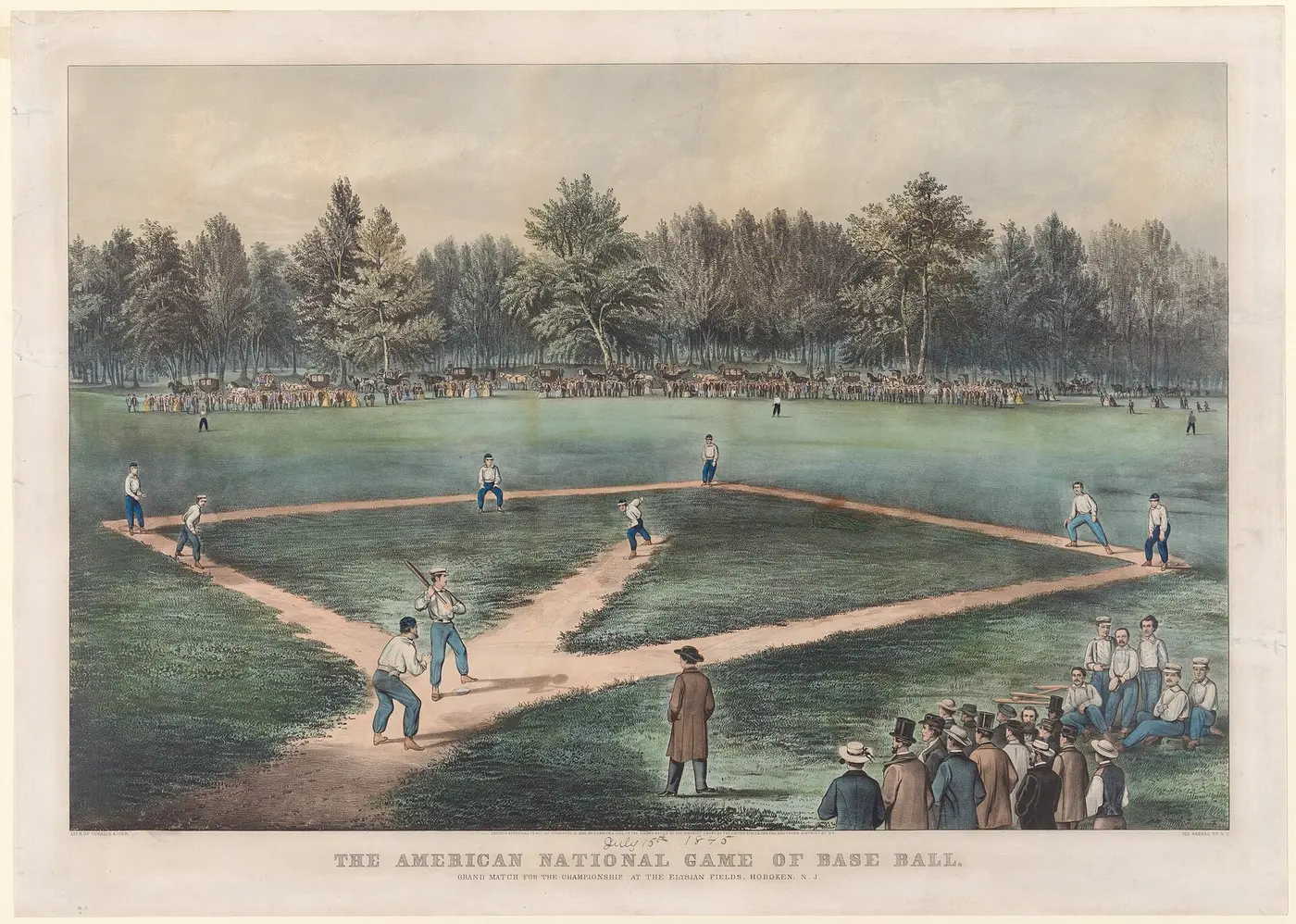

Letting it pass counts as a swing
This soon caused trouble. Batters began deliberately waiting, refusing to swing while runners advanced or the pitcher tired himself out. Games dragged on and on.
So in 1858, a new rule was adopted at a meeting of the game’s governing body. If a batter repeatedly let good, hittable pitches go by, for example to delay the game, the umpire could warn him and then call “one strike.” Once three were called, he would be treated just as if he had swung at three pitches and missed.
In other words, a called “strike” meant: “That was a pitch you should have hit, so we’ll count it as if you had swung.” The batter is credited with “striking” without moving the bat. That is why the word seems to contradict its meaning. It started out as a kind of penalty on the batter, but over time it became routine for umpires to call a strike every time a good pitch went by.
Nine balls to first base
A similar penalty soon emerged for pitchers. In 1863, a rule allowed umpires to call “balls” on a pitcher who kept delivering pitches that were hard to hit.
At first, though, walks did not come easily. In the late 1870s it took not four balls but nine to send a batter to first base. The number gradually fell to eight, then six, then five, and in 1889 it settled at today’s four.
The strike zone didn’t exist from the start, either. After an era in which batters could ask the pitcher for a “high” or “low” ball, a rule in 1887 defined the zone as running from the knees to the shoulders. From pitching meant to be hit to a real duel between pitcher and batter: the way balls and strikes were counted changed along with the game itself.
The words Shiki translated
Baseball reached Japan early in the Meiji era (1868–1912). The person best known for giving Japanese names to baseball terms, which until then had been used in English, is the haiku poet Masaoka Shiki.
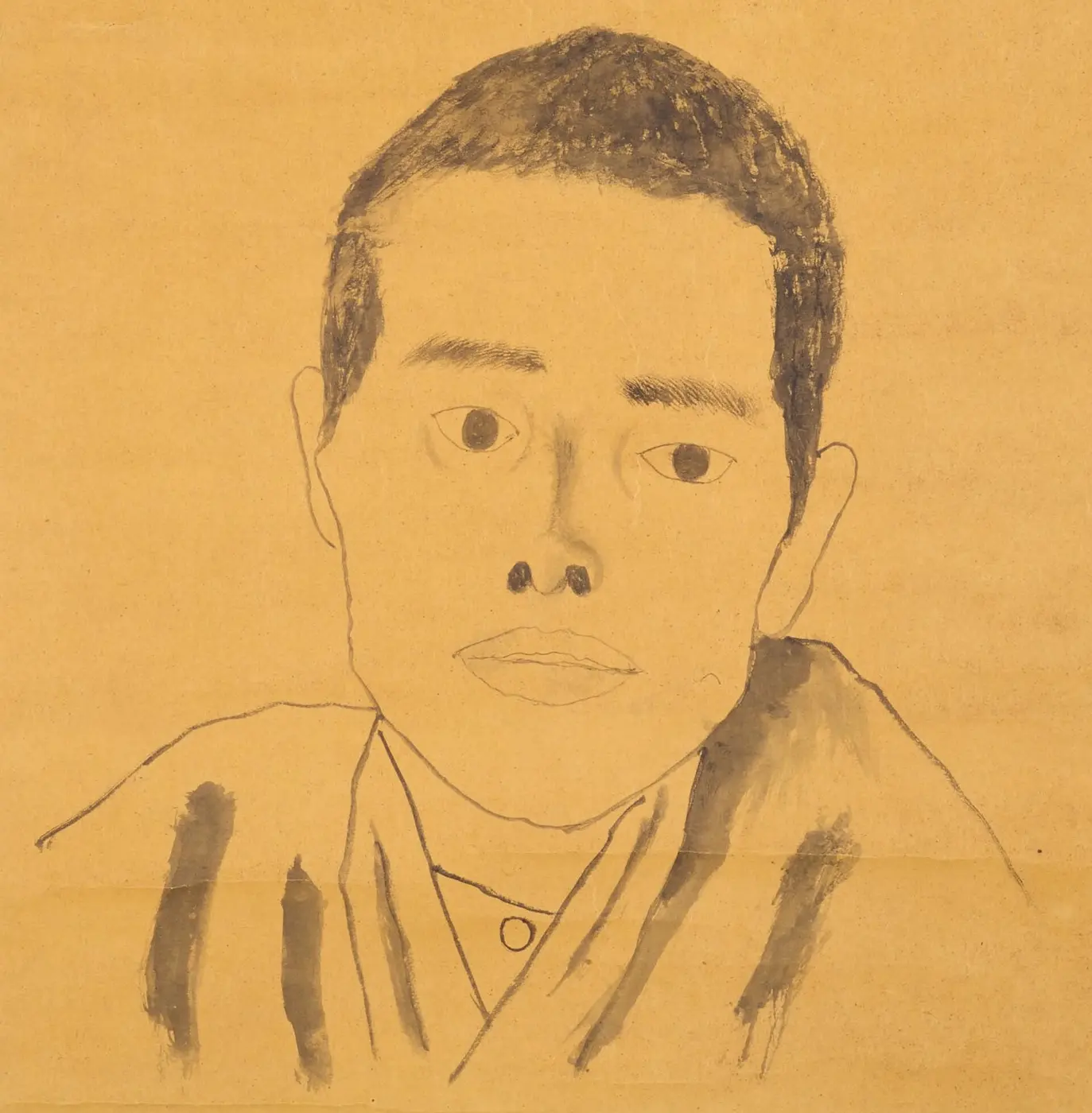

Shiki was crazy about baseball from his student days, and in 1890 he used the pen name 野球, read “Nobōru,” after his childhood name, Noboru (升). The translation of “baseball” itself as yakyū (野球, “field ball”), however, is credited not to Shiki but to Chūman Kanae, who came later.
In 1896, Shiki wrote an introduction to baseball for the newspaper Nippon, in which he is said to have proposed translations such as dasha (打者, batter), sōsha (走者, runner), shikyū (四球, base on balls), chokkyū (直球, fastball) and hikyū (飛球, fly ball). All are still in everyday use. “Strike” and “ball,” on the other hand, are still used in Japanese as the English loanwords sutoraiku and bōru. In 2002, Shiki was inducted into the Japanese Baseball Hall of Fame for his contributions.