Why does baseball have nine innings?
A convention settled it in 1857. Before that, the first team to 21 runs won, and nobody recorded why nine was chosen.
1857
Soccer lasts 90 minutes, rugby 80. Most ball sports use a clock to decide how long a game runs. Baseball has no time limit at all. Whether a game drags on or flies by, it is measured in nine innings.
Nine innings in Japan’s professional leagues, nine at Koshien, Japan’s famous national high school tournament, and nine in the major leagues. So when, and by whom, was that number decided?
First to 21 wins
The starting point for the rules of modern baseball is usually taken to be the code drawn up in 1845 by the Knickerbocker Base Ball Club of New York. On the length of a game, it said this: the game consists of 21 counts, or “aces,” as runs were then called, but at the end both sides must have had an equal number of turns at bat.
In other words, there was no set number of innings. The game simply went on until one side reached 21 runs.
That system had a drawback. A slugfest would be over quickly, but when the pitchers held firm, a game could drag on without a result, and darkness sometimes stopped play. Of the 55 games played in 1856, nearly one in five ended in a draw. In one game between the Knickerbockers and a club called the Empire, the score stood at 21–21 after eight innings, and it was left as a tie.
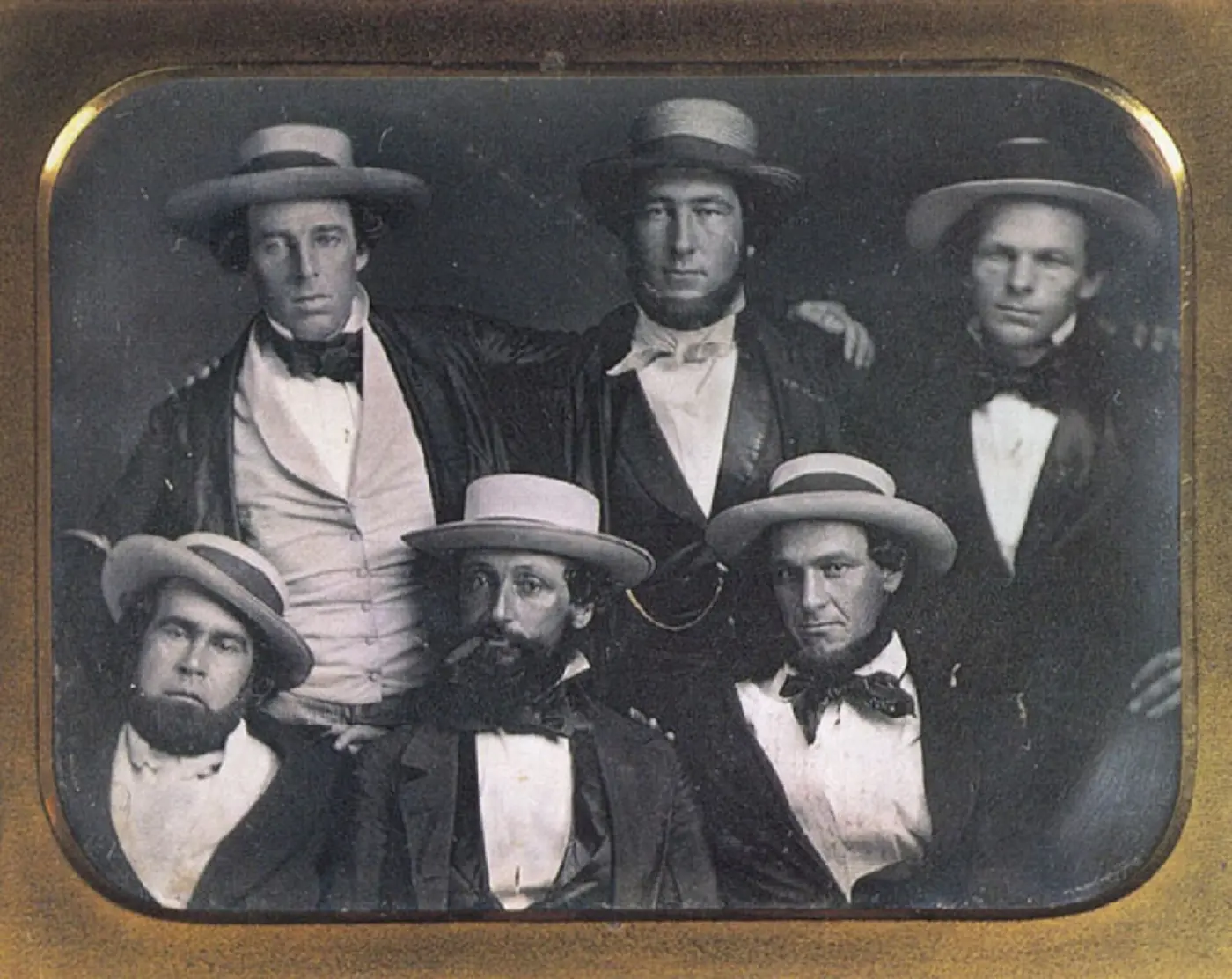

The 1857 convention in New York
So in 1857, baseball clubs from in and around New York met to agree on a common set of rules. Fourteen clubs sent three delegates each to the first session in January, and Daniel “Doc” Adams, president of the Knickerbockers, was elected to chair the convention.
The draft rules prepared by the Knickerbockers set the length of a game at seven innings. But at the second session, in February, an amendment came from the floor, and surprisingly it was proposed by one of the Knickerbockers’ own delegates, Louis Wadsworth: nine innings instead of seven. The amendment passed, and baseball games were set at nine innings.
The same convention also fixed the distance between the bases at 90 feet (about 27.4 meters), set the number of players per side at nine, and ruled that a game called for rain or darkness would count if five innings had been completed. Much of the framework of today’s game was put in place at that meeting.
Why nine?
So why nine? Surprisingly, the arguments made for seven or for nine innings were never recorded.
By then, nine against nine had already become standard for match games. Wadsworth is said to have opposed a proposal for seven players and seven innings and argued for nine of each. It is tempting to think nine innings was chosen to match nine players, but there is no firm evidence for it.
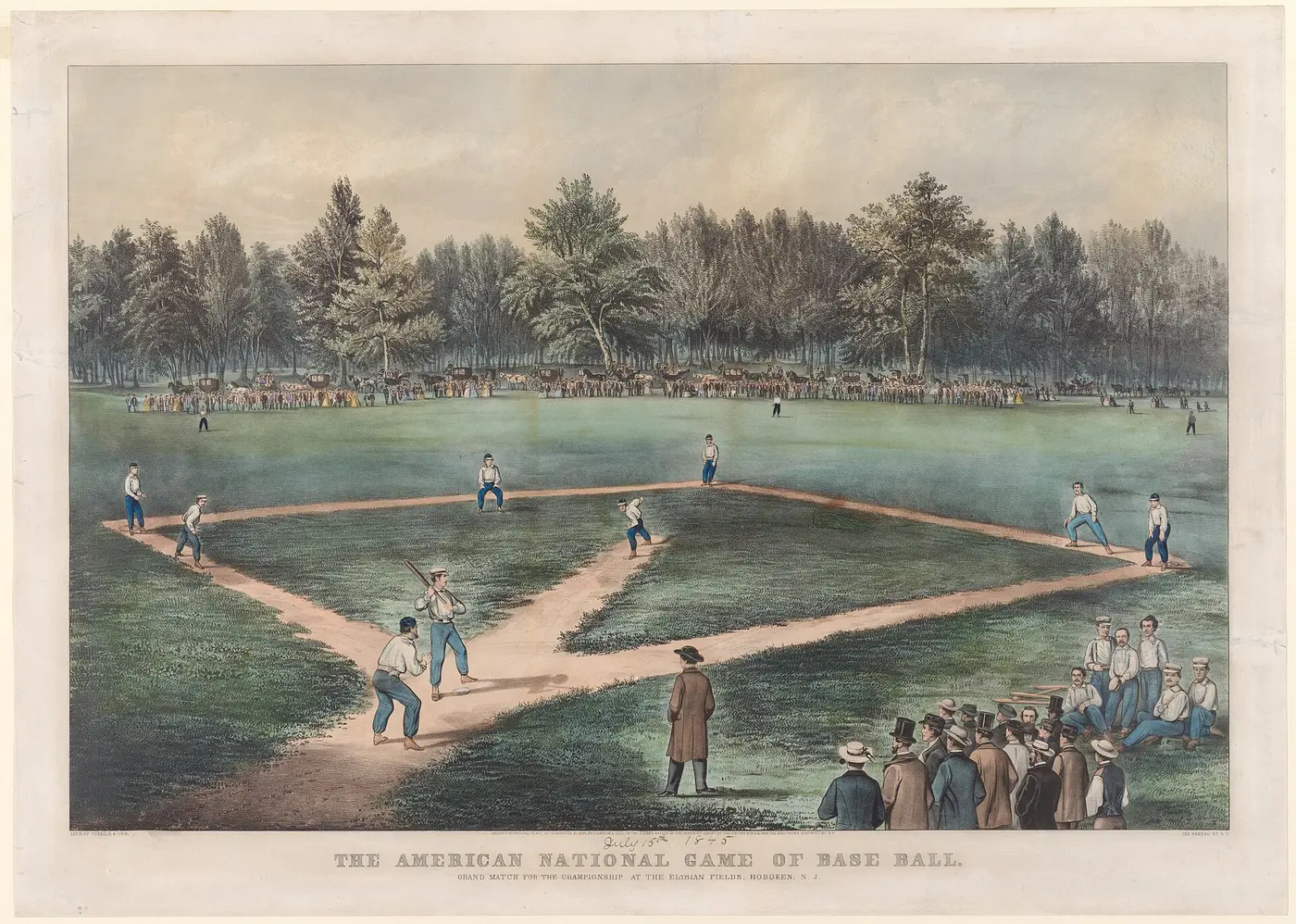

Will nine innings last?
Nine innings have held for nearly 170 years, but there are moves to rethink them. In Major League Baseball, when the COVID-19 pandemic squeezed the schedule in 2020 and 2021, games in doubleheaders were shortened to seven innings. They went back to nine in 2022. In 2021, Japan’s professional league also ran under a special rule that ended games after nine innings with no extra innings, to keep them shorter as a precaution against infection.
Japanese high school baseball is debating seven-inning games too, mainly to reduce the risk of heatstroke in the summer heat and to protect pitchers’ shoulders and elbows. In December 2025, a review panel of the Japan High School Baseball Federation issued a final report saying seven innings should ideally be adopted for all official games from the spring of 2028. Many coaches and players still want to play the full nine, though, and the debate goes on.