Was the Statue of Liberty once copper-colored?
Yes. When it was unveiled in 1886 it gleamed reddish-brown like a new penny, and it turned green over the following decades.
30years
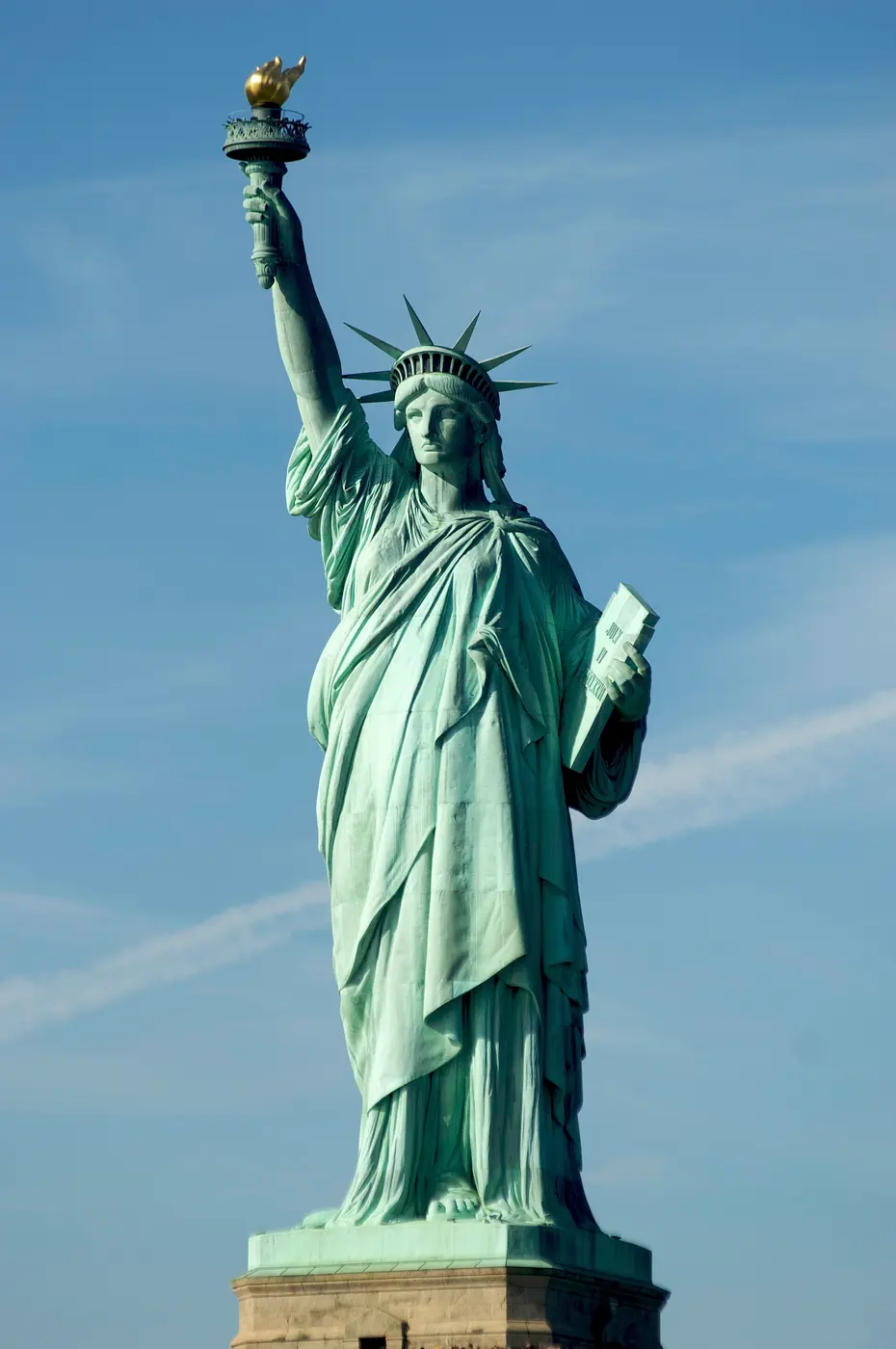
If you were asked to paint the Statue of Liberty, you would probably reach for blue-green without a second thought. That color has become inseparable from New York’s great symbol.
But when the statue was unveiled in 1886, it looked completely different. It shone with the reddish-brown gleam of fresh copper, like a brand-new penny.
A copper skin as thin as two coins
The Statue of Liberty was a gift from France to mark the centennial of American independence. It was designed by the sculptor Frédéric Auguste Bartholdi, and its internal iron framework was engineered by Gustave Eiffel, who would later build the Eiffel Tower.
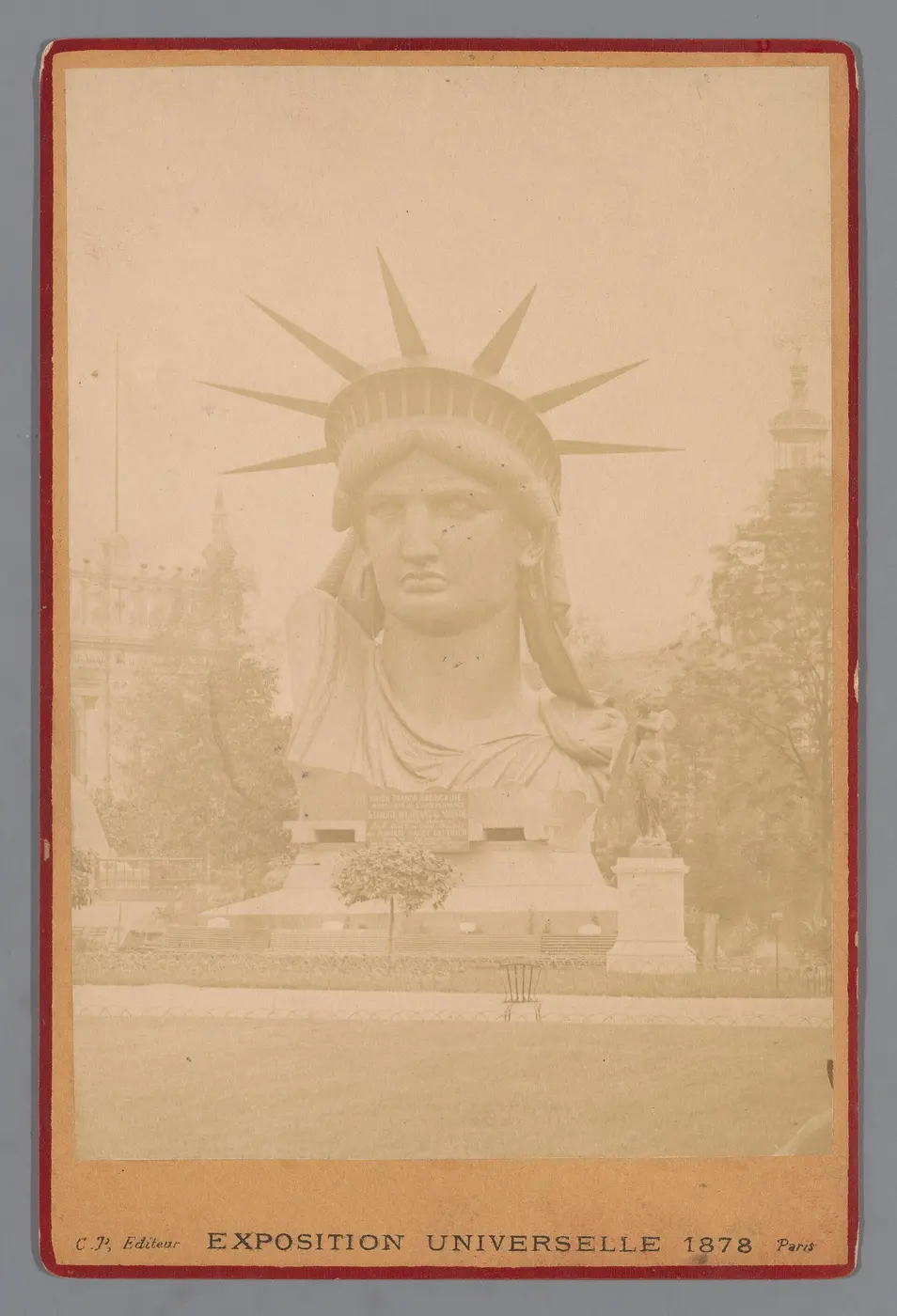
The statue’s surface is made of copper sheets hammered into shape from behind. The copper is only about 2.4 millimeters thick; the US National Park Service compares it to two pennies placed together. Ahead of the statue’s completion, its head went on public display at the 1878 Paris World’s Fair, where visitors could even step inside. The statue was assembled in France, taken apart, shipped across the Atlantic, and dedicated on October 28, 1886.

From brown to green, slowly
When copper is exposed to air, it first combines with oxygen and darkens to a dull brown or blackish color. Add rain, humidity, and the carbon dioxide and sulfur compounds in the air, and a green film forms on the surface. In Japanese this green coating is called rokushō; in English it is known as patina or verdigris. In the New York of the time, thick with coal smoke, the sulfur-laden air is thought to have sped this change along.
Green began to spread across the statue shortly after 1900. According to the National Park Service, it took about 30 years for the whole statue to become fully covered in patina. Some sources say it had largely reached its present color within about 20 years.
The plan to paint Lady Liberty
Not everyone was happy to watch the statue turn green. Wasn’t this proof that she was rusting away? In 1906, Congress approved about $62,800 for repairs that included painting the statue inside and out.
When the plan was reported in the newspapers, there was a strong public outcry. Plenty of people felt that tampering with Liberty’s appearance was out of the question. So the Army Corps of Engineers studied the patina for any harmful effects, and reached a surprising conclusion: the patina was actually protecting the copper beneath it, and it softened the statue’s outlines and made it beautiful. In the end, only the inside of the statue was painted.

The corrosion that protected, and the corrosion that destroyed
The patina clings tightly to the copper and stops further corrosion. It is thanks to this film that such a thin copper skin has withstood more than a century of wind and rain.
The real damage was happening on the inside. Where the iron framework supporting the skin touched the copper, an electrochemical reaction had been eating away at the iron, leaving it badly corroded. The layers of paint built up over the years on the inside of the statue had hidden that damage for a long time.
In a major restoration from 1984 to 1986, about 1,800 iron bars were replaced with corrosion-resistant stainless steel. The torch was rebuilt as well, its flame covered in 24-karat gold leaf. And when patches were needed for the outer copper skin, restorers used old copper sheets with a closely matching color, obtained from a rooftop at Bell Labs, so that the repairs would blend in.