Is the winter solstice the day with the latest sunrise?
No. In Tokyo the earliest sunset comes in early December and the latest sunrise in early January, both well off the solstice.
19minutes
In 2026, the December solstice falls on December 22. It is the shortest day of the year in the Northern Hemisphere, and from then on the days slowly start to lengthen.
If the day is shortest on the solstice, then surely that is also the day with the latest sunrise and the earliest sunset. That is the natural assumption. But line up the actual sunrise and sunset times, and it turns out not to be so.
The almanac tells a different story
According to calculations by the National Astronomical Observatory of Japan (NAOJ), on the day of the 2026 solstice the sun rises in Tokyo at 6:47 a.m. and sets at 4:32 p.m.
Go back a few weeks, though, and from November 29 to December 13 the sun sets at 4:28 p.m., four minutes earlier than on the solstice. To the nearest minute, that stretch brings the earliest sunsets of the year.
And sunrise? It keeps getting later even after the solstice. From January 2 to 13, 2027, the sun rises at 6:51 a.m., the latest of the year and four minutes later than on the solstice itself.
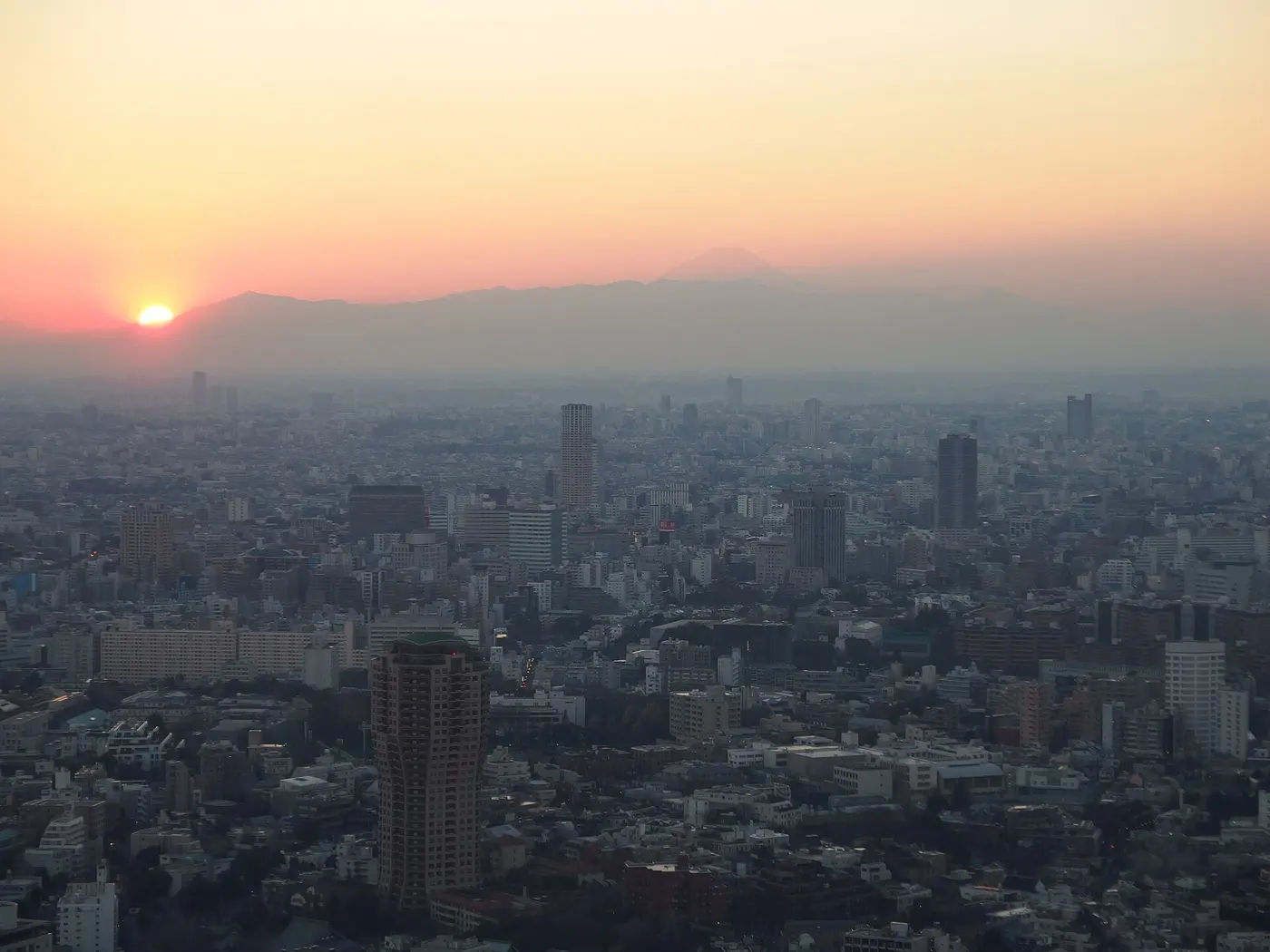

According to NAOJ, the earliest sunset comes about half a month before the solstice and the latest sunrise about half a month after it, and the pattern is much the same everywhere in Japan. Summer is lopsided too. In Tokyo in 2026, the earliest sunrise, at 4:25 a.m., runs from June 6 to 21, while the latest sunset, at 7:01 p.m., runs from June 24 to July 4.
It’s not just about day length
Sunrise and sunset times depend on two things. One is the length of the day. The other is the time of solar noon, when the sun crosses due south and stands highest in the sky. Solar noon falls roughly halfway between sunrise and sunset, so if solar noon gets later, sunrise and sunset get later along with it.
Solar noon, it turns out, does not happen at the same time every day. In Tokyo it falls at 11:30 a.m. on December 1, 2026, at 11:39 a.m. on the solstice, and at 11:49 a.m. on January 13, 2027. Over about six weeks, it drifts 19 minutes later.
Around the solstice, the length of the day barely changes from one day to the next, so the drift in solar noon becomes the bigger effect. Before the solstice, the shortening day pulls sunset earlier, but by early December the later solar noon wins out and sunsets start getting later. After the solstice, the lengthening day pulls sunrise earlier, but the drifting solar noon keeps pushing sunrise later until early January.
Two reasons solar noon drifts
So why does solar noon shift?
Earth spins on its axis while it travels around the Sun. Between one solar noon and the next, Earth also moves a little along its orbit, so to bring the Sun back to due south, it has to turn slightly more than a full 360 degrees. As NAOJ explains, that “extra” bit of rotation varies with the seasons, and that is what makes solar noon drift.
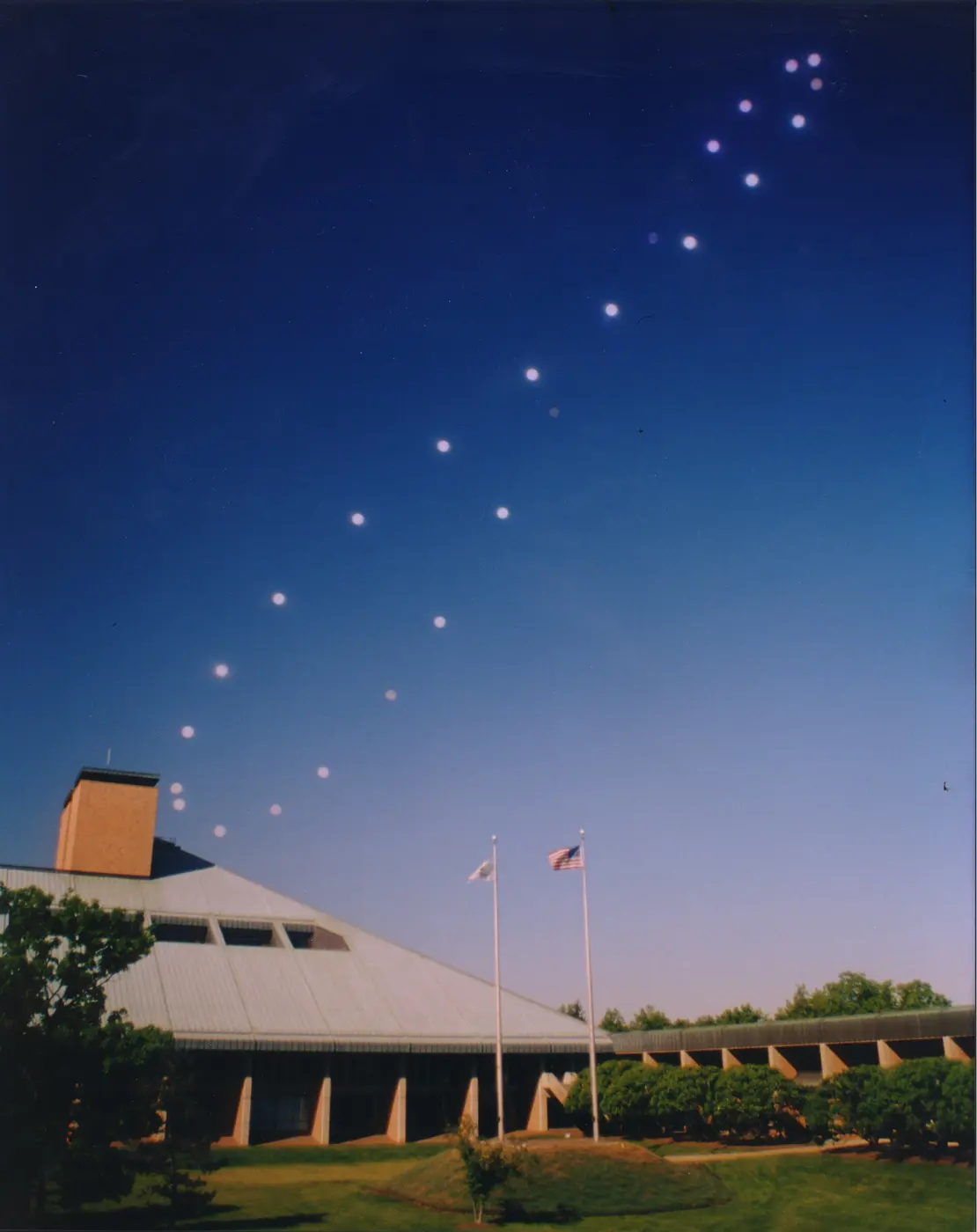
The first reason is that Earth’s orbit is an ellipse. Earth comes closest to the Sun in early January and moves fastest around that time. That increases the extra rotation needed, so the interval from one solar noon to the next stretches beyond 24 hours.
The second reason is the roughly 23.4-degree tilt of Earth’s axis. Around the solstices, the extra rotation happens in a direction nearly parallel to the plane of Earth’s orbit, so more of it is needed. According to NAOJ, this second effect actually has the larger influence on the timing of solar noon.
Around the December solstice, both effects work together to make solar noon later. That is why sunrise and sunset fall so far out of step with the solstice at this time of year.