Does “Shiwasu,” the Japanese name for December, really mean “running teachers”?
Nobody really knows where the word comes from. The “running monks” story is a folk explanation recorded in the 12th century, and the characters are phonetic borrowings.
When December comes around, Japanese news reports and letters start to fill with the word Shiwasu, the traditional name for the twelfth month. “The streets of Shiwasu,” “the Shiwasu rush.” It is written 師走, combining the character for “master” or “teacher” with the character for “run.” Many people in Japan were taught that the month is so hectic that even teachers, normally so composed, are seen running about.
Since that is exactly what the characters seem to say, the explanation sounds convincing. Yet people who make Japanese dictionaries say that the origin of Shiwasu is, in fact, unknown. How can that be?
A word older than its spelling
Start with how old the word is. Shihasu, its older spelling, was already being used for the twelfth month of the lunar calendar in the Nara period (710–794). The Man’yōshū, Japan’s oldest anthology of poetry, compiled in the eighth century, includes this poem by a court lady known as Ki no Ojika no Iratsume:
Do you not know that in the twelfth month the light snow falls? The plum is blooming, not content to stay in bud.
In the original, the month is written with the characters for “twelfth month” and read as shihasu. The twelfth month of the old lunar calendar fell roughly in what is now January, when early plums begin to open.
So the sound shihasu came first, and the characters 師走 were attached to it later, chosen for their sound. Masahiro Ono, a scholar of the history of Japanese at Meiji University, calls the spelling simply a phonetic borrowing.
“Running monks,” a folk explanation from the 1100s
When did the “running master” story appear? Surprisingly early.
The Iroha Jiruishō, a Japanese dictionary compiled around 1177–81, near the end of the Heian period, gives the reading shihasu for the twelfth month and adds a note to the effect that it is “popularly” explained as shi-hase, “the master gallops.” At the end of the year, the idea goes, households invited a master, meaning a Buddhist monk, to chant sutras, so monks rushed from house to house. That story was already in circulation more than 800 years ago.
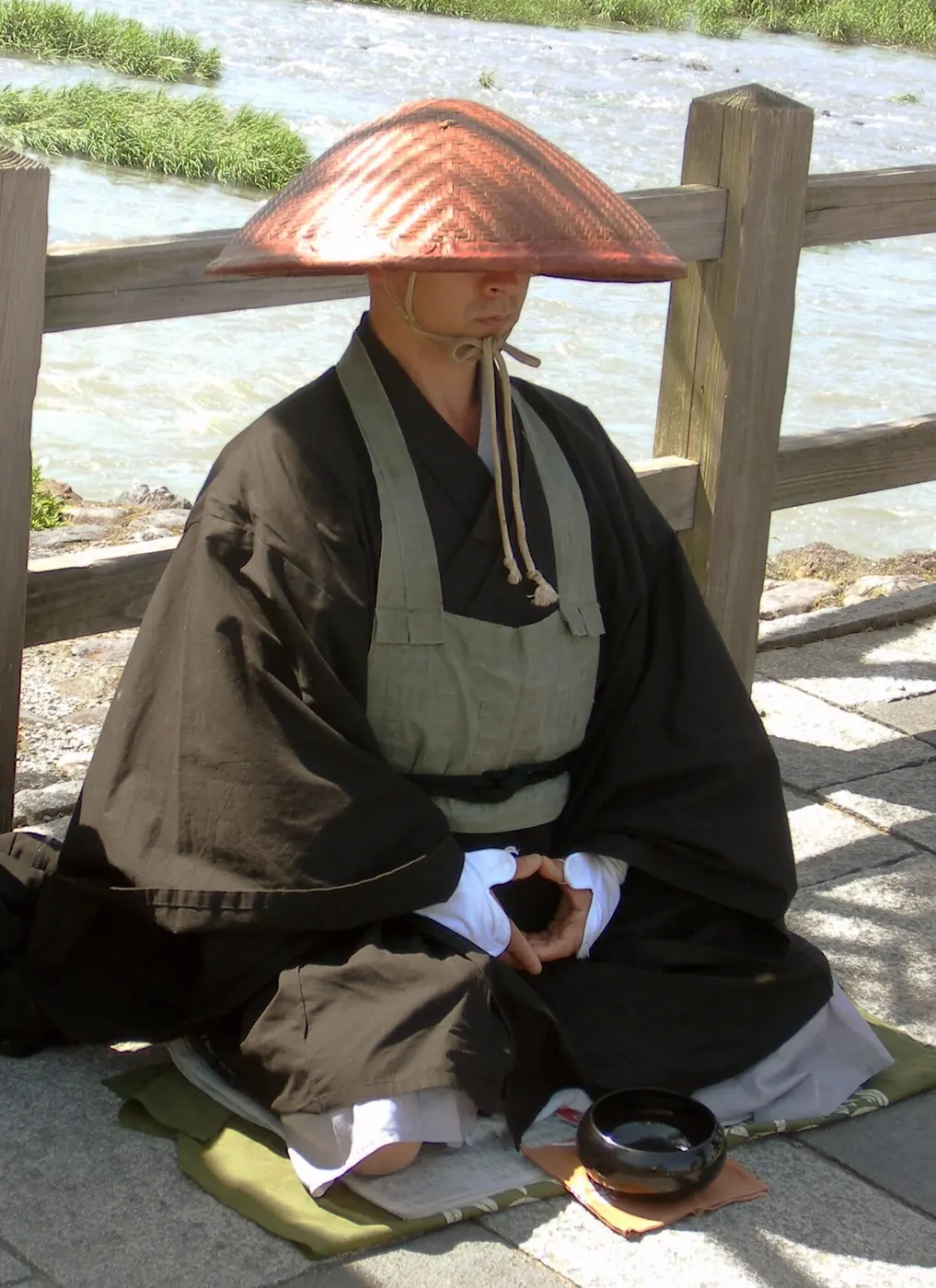

Note, though, that the dictionary itself flags it as a popular explanation, one interpretation going around at the time. And while many people today picture a schoolteacher, the “master” in this story was originally a monk.
Ono argues that the “running master” etymology looks like an explanation invented after the fact. The shi in it is a Chinese-derived reading of a borrowed character, while hasu, “to gallop,” is a native Japanese word, and a combination like that would be an unnatural way to form an old native month name.
Or was it about “the end”?
There are several other theories.
One says the month was called shihatsu-zuki, “the month when the four seasons come to an end,” and that the final tsu sound shifted to su. Another derives it from toshi hatsu, “the year ends,” shortened over time. A third points to shi-hatsu in the sense of “finishing one’s tasks” for the year. What they share is the idea of an ending.
None of these is conclusive either. Akira Kaminaga, a veteran dictionary editor at the publisher Shogakukan, puts it plainly: why the twelfth lunar month is called Shiwasu is, unfortunately, not really known.
The spelling kept the word busy
If the word still feels so alive, the characters may deserve some credit. The Nipponica encyclopedia suggests that because the word’s feel matches the hustle of the year’s end, it has stayed popular as a name for December even under the solar calendar.
And the year-end really was busy. At Sensōji temple in Edo (old Tokyo), a market selling New Year goods and lucky charms grew up around the temple’s fair on December 18. According to the temple, it was the biggest of its kind in Edo, with stalls said to stretch from Asakusabashi all the way to Ueno.
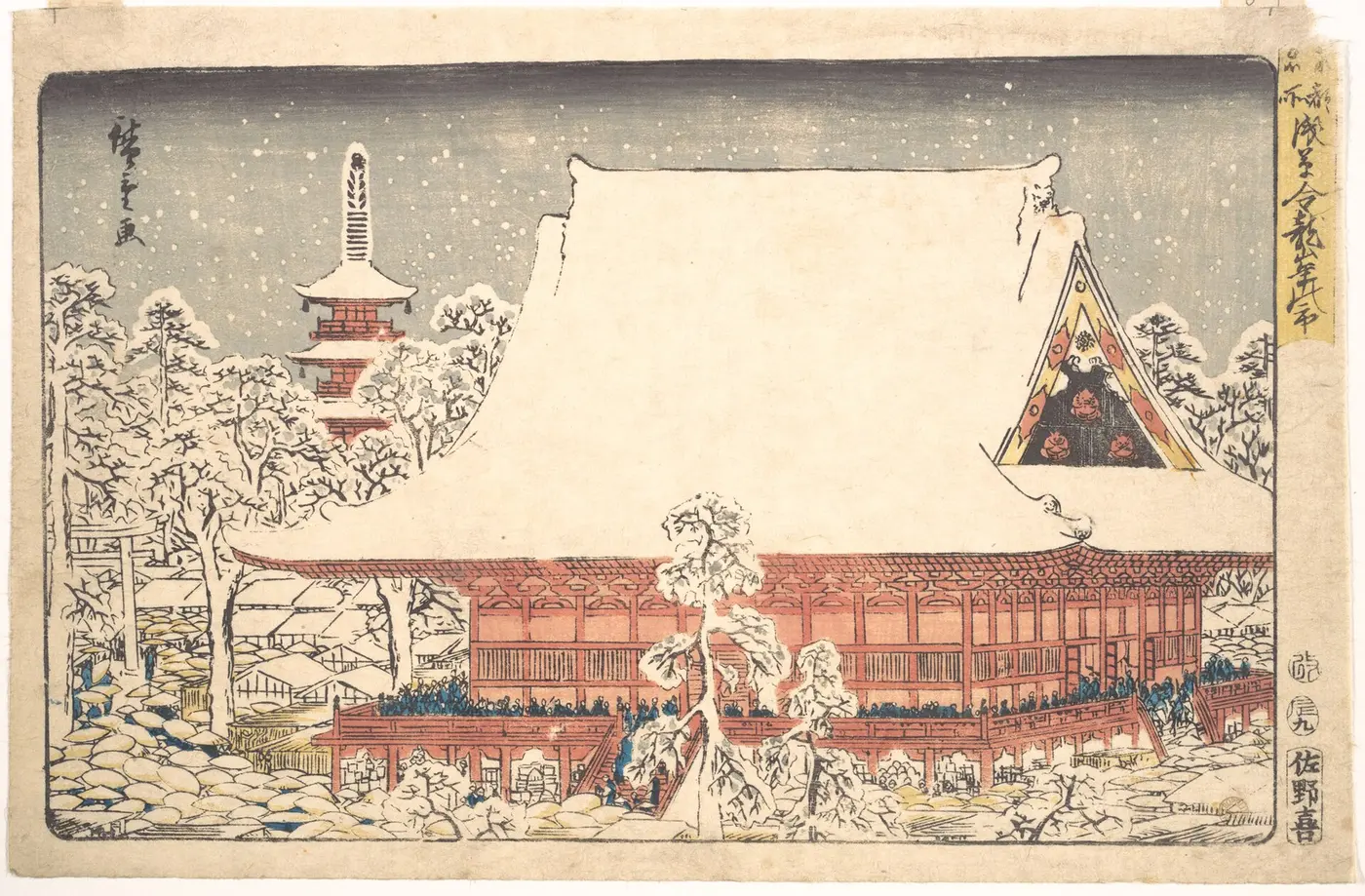

The true origin may remain a mystery, but the picture of a month so busy that even the masters run fit the mood of the season perfectly. That is probably why the folk explanation has survived for more than 800 years.