What does the X in “Xmas” stand for?
It is chi, the first letter of Christos, the Greek word for Christ. Xmas does not cross Christ out of Christmas.
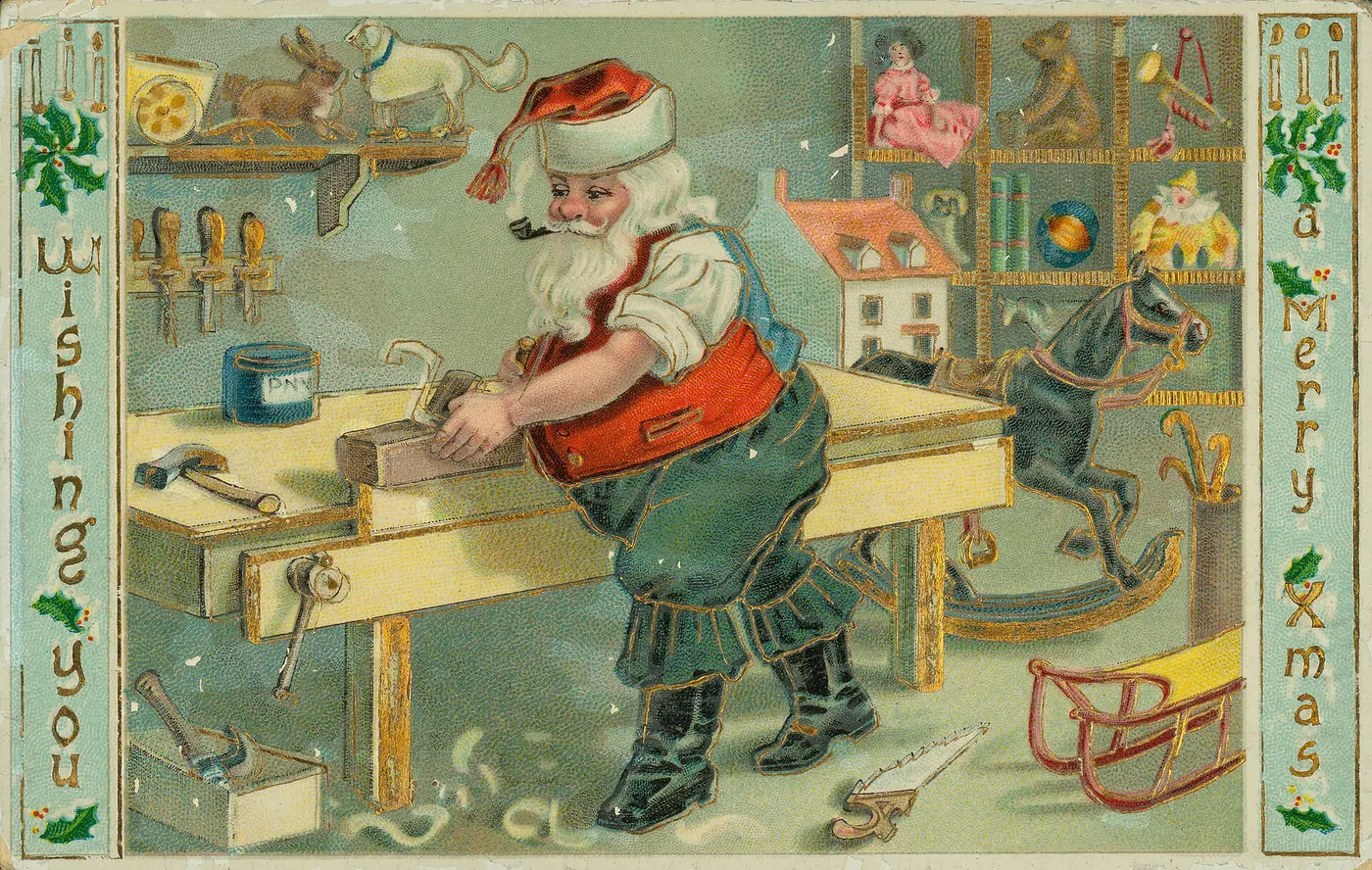
Come December, “Xmas” is everywhere: on cake-shop posters, toy displays and greeting cards. In Japan you will very often see it written “X’mas,” with an apostrophe.
But what is that X? An unknown, as in algebra? The shape of a cross? Some people in the English-speaking world even complain that it is a disrespectful way of crossing Christ out of Christmas. In fact, the X has a long and thoroughly Christian pedigree.
The X is a Greek chi
In Greek, Christ is written Χριστός, Christos. Its first letter, Χ, looks exactly like the Roman X, but it is the Greek letter chi, pronounced something like “k” and usually transcribed as ch.
The second half of Christmas, -mas, comes from the Old English word for the Mass. Christmas, then, is “Christ’s Mass,” and Xmas simply replaces “Christ” with its Greek initial.
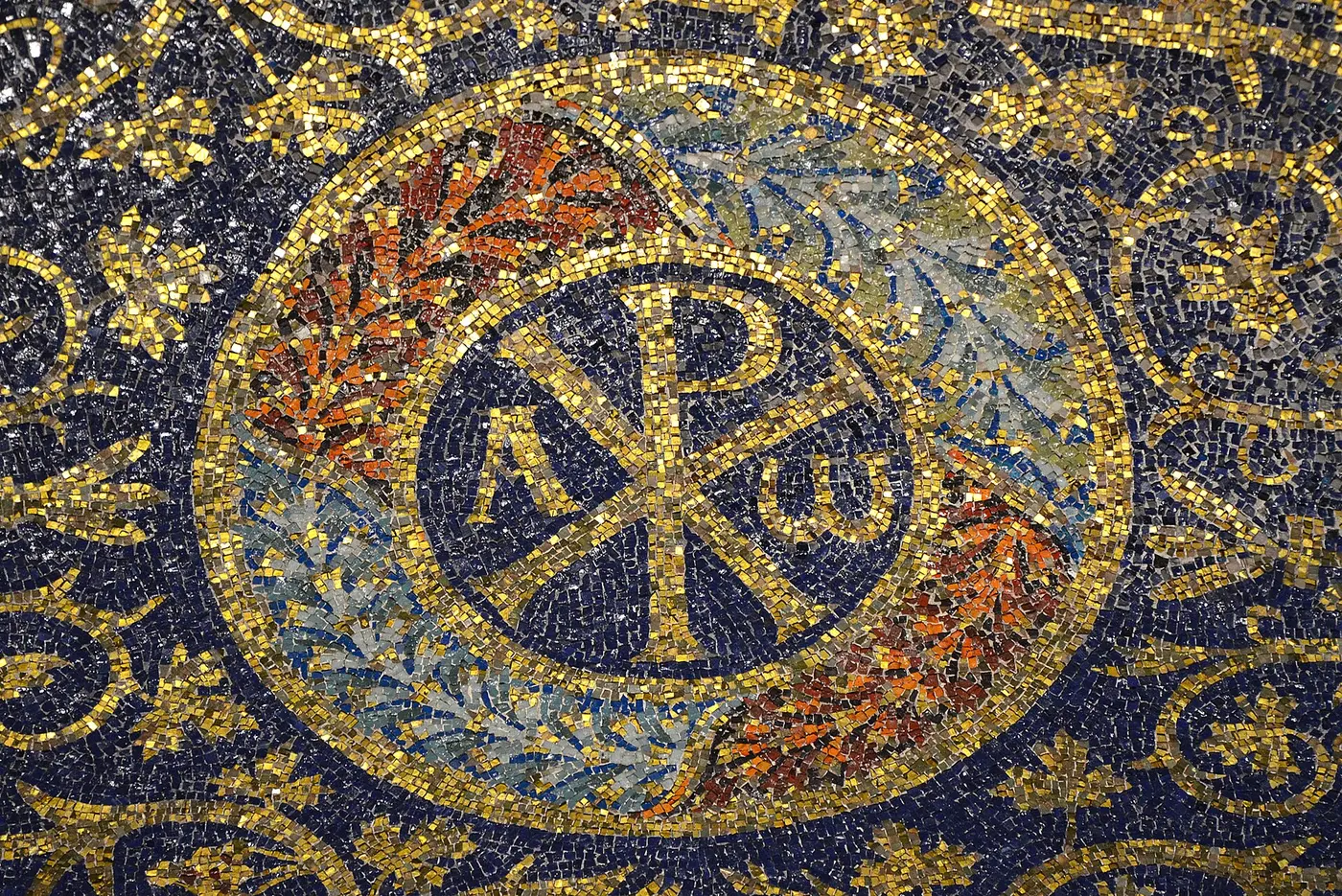
Christians have used this initial as a sign for a very long time. The best known is the chi-rho, a monogram that combines chi (Χ) with rho (Ρ), the second letter of Christos. It appears again and again in early Christian art. In the fourth century, the Roman emperor Constantine is said to have carried a military standard, the labarum, bearing this sign. Curiously, the same chi-rho combination had an earlier, non-Christian life: it was used in the margins of texts to flag an especially valuable passage, short for chrēston, “good.”

In manuscripts nearly 1,000 years old
English has a long tradition of writing Christ as X.
In a manuscript of the Anglo-Saxon Chronicle copied around 1100, the entry for the year 1021 writes Christmas as “Xp̄es mæsse,” abbreviating Christ to the Greek letters chi and rho with a line over them to mark the shortening. For the monks who copied such texts, X was simply a convenient way to write Christ.
Forms close to “Xmas” appear in the 16th century. A letter of 1551 from King Edward VI of England to his Lord Deputy of Ireland refers to “X̄temmas,” with a mark over the X to show the abbreviation. Similar shortcuts became common, such as “Xtianity” for Christianity. The spelling “Xmas” itself is found by 1721, and William Perry’s dictionary of 1800 lists “Xmas. Christmas.”
Not an insult
Some people still dislike the word. The complaint is that Xmas removes Christ’s name and with it the religious meaning of the holiday. Such objections are nothing new: in 1977, Meldrim Thomson, then governor of New Hampshire, condemned it as a “pagan” spelling. But as we have seen, Xmas grew out of an abbreviation that Christians themselves used for centuries. Some Christian scholars point out that critics of the word are simply unaware of this long history of using X for Christ.
That said, Xmas is undeniably informal. Some news organizations, including the New York Times and the BBC, advise against using it in their own reporting.

What about “X’mas”?
And the “X’mas” so common in Japan? Since an apostrophe in English marks missing letters, as in don’t for do not, it is easy to see why people are tempted to add one. In modern English, however, the standard spelling is “Xmas,” with no apostrophe. The Japanese dictionary Daijisen goes so far as to note in its entry for the word that writing “X’mas” is an error. That entry, by the way, lists the word as a hybrid, Xマス, the Roman letter followed by masu written in katakana, and gives its reading as ekkusu-masu, “X-mas,” pronounced just as it looks.
The X is not a placeholder for something left out. It is itself a letter standing for Christ, so there is nothing to mark with an apostrophe.