What does the “dama” in otoshidama, Japanese New Year money, mean?
Most likely “soul”: the rice cakes offered to the New Year god were shared out to pass on its spirit. Another theory reads it as “gift.”
At New Year in Japan, when the family gathers, the children are handed small decorated envelopes. Inside is money, and for many kids this is the moment they look forward to most all year. These gifts are called otoshidama, and they are an essential part of the Japanese New Year.
Look closely at the word, though, and it is a little odd. O is an honorific, toshi means “year,” and dama is a form of tama, a word that can mean a ball, a jewel or a soul. Why would an envelope of cash be called a “year tama”? Japanese dictionaries and encyclopedias suggest the word once carried something far more precious than money.
Two theories about “tama”
There are two main explanations.
One says tama is short for tamamono, a gift received from someone of higher standing. The Daijisen dictionary explains toshidama as “the year’s gift.”
The other says tama means “soul” or “spirit.” The Heibonsha World Encyclopedia notes that among folklorists, the stronger interpretation is that otoshidama was not simply a present, but a gift from the toshigami, the New Year god. The toshigami was believed to visit each household at New Year, bringing a good harvest and good fortune for the year ahead.
Rice cakes from the god of the year
So what did the New Year god hand out? Mochi, or rice cakes.
Mochi offered to the toshigami at New Year was believed to absorb the god’s power. According to the Nipponica encyclopedia, the custom of making one small rice cake for each member of the family, placing them on the household altar and then eating them in a New Year soup survives in many parts of Japan. In the past, Japanese people counted their age in a way that made everyone one year older at New Year. Eating a rice cake filled with the god’s power meant receiving life for the new year and adding a year to your age. In some regions, these rice cakes are even called tamashii, “soul.”
In one place, the god still comes to hand them out in person. On the Koshiki Islands in Kagoshima Prefecture, in southern Japan, local men put on long-nosed masks on New Year’s Eve to become Toshidon, the New Year god, and visit homes with children. They praise the children for the good things they have done over the year, scold them for the bad, and leave them a round rice cake.
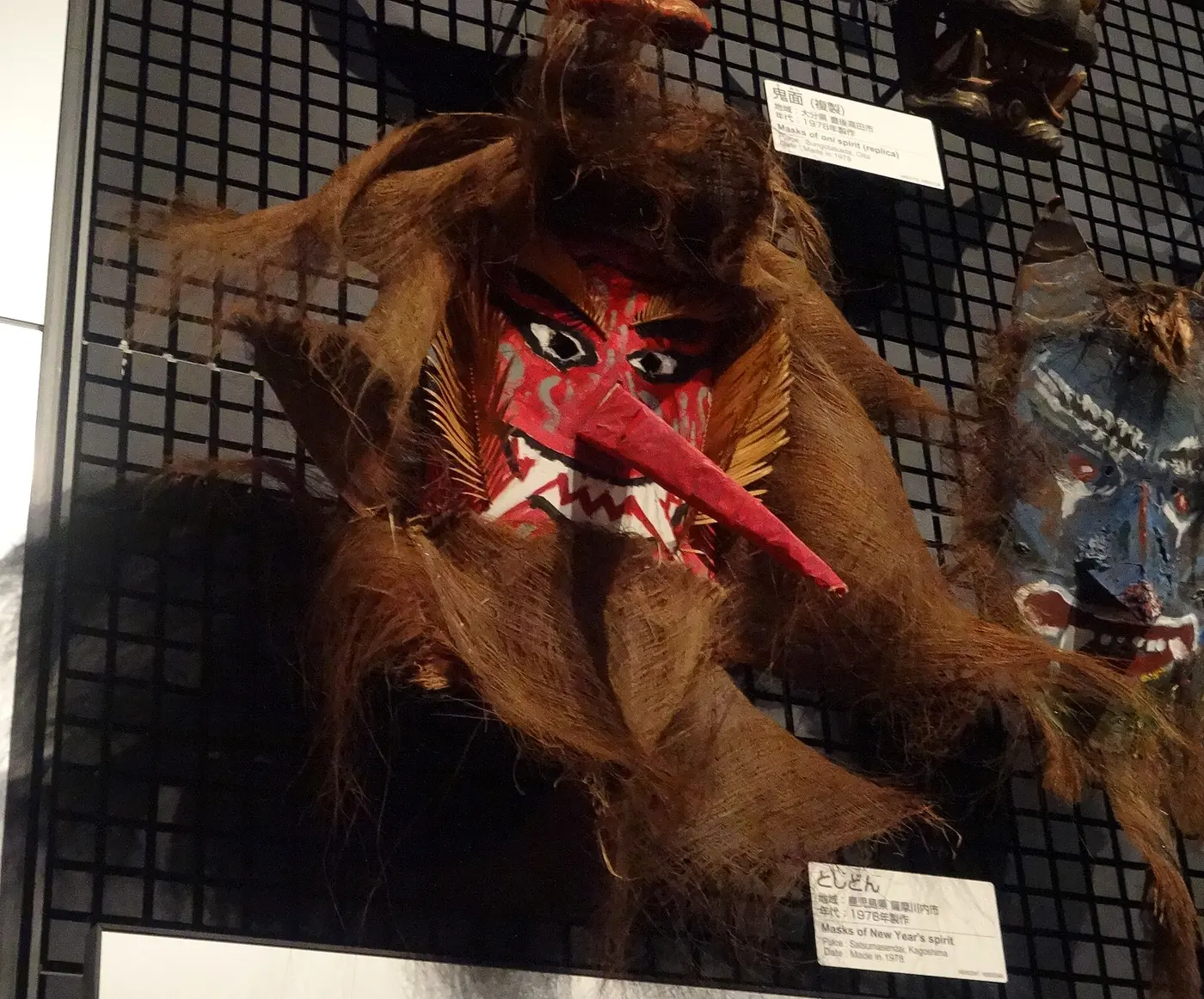

The cake has been called toshimochi, “year mochi,” and also toshidama. Toshidon is a designated Important Intangible Folk Cultural Property of Japan, and in 2009 it was added to UNESCO’s list of the Intangible Cultural Heritage of Humanity.
On the coast of the Izumo region in Shimane Prefecture, there is even a saying that on New Year’s Eve the god throws toshidama at people, so no matter where you hide, you cannot avoid growing a year older. Toshidama, it seems, was originally a rice cake that made you a year older.
Fans, pills and hand towels
Meanwhile, “toshidama” as New Year presents also has a long history. According to the Nihon Kokugo Daijiten, Japan’s largest dictionary, New Year gift-giving became widespread in the Muromachi period (1336–1573). People gave swords, money, inkstones and sake. Households with boys received a mallet for hitting balls in a traditional game, and those with girls received battledores for a New Year shuttlecock game.
In the Edo period (1603–1868), people came to give gifts linked to their trade: samurai gave swords, merchants gave folding fans, and doctors gave pills. Fans were especially common and were known as toshidama-ōgi, “New Year fans.” Even in the Meiji era, after 1868, people still gave hand towels and simple calendars.
The direction of the gift mattered, too. Year-end gifts called oseibo were sent up the social ladder, but toshidama traditionally came down it, from a superior to those below. You could see that as an echo of a gift handed down from the god.
Cash came later
From the Meiji era onward, the people receiving toshidama were increasingly limited to those of lower standing, especially children. The Nihon Kokugo Daijiten says that giving children pocket money was, in general, a modern custom, and it is commonly said that money became the standard New Year gift only after World War II.
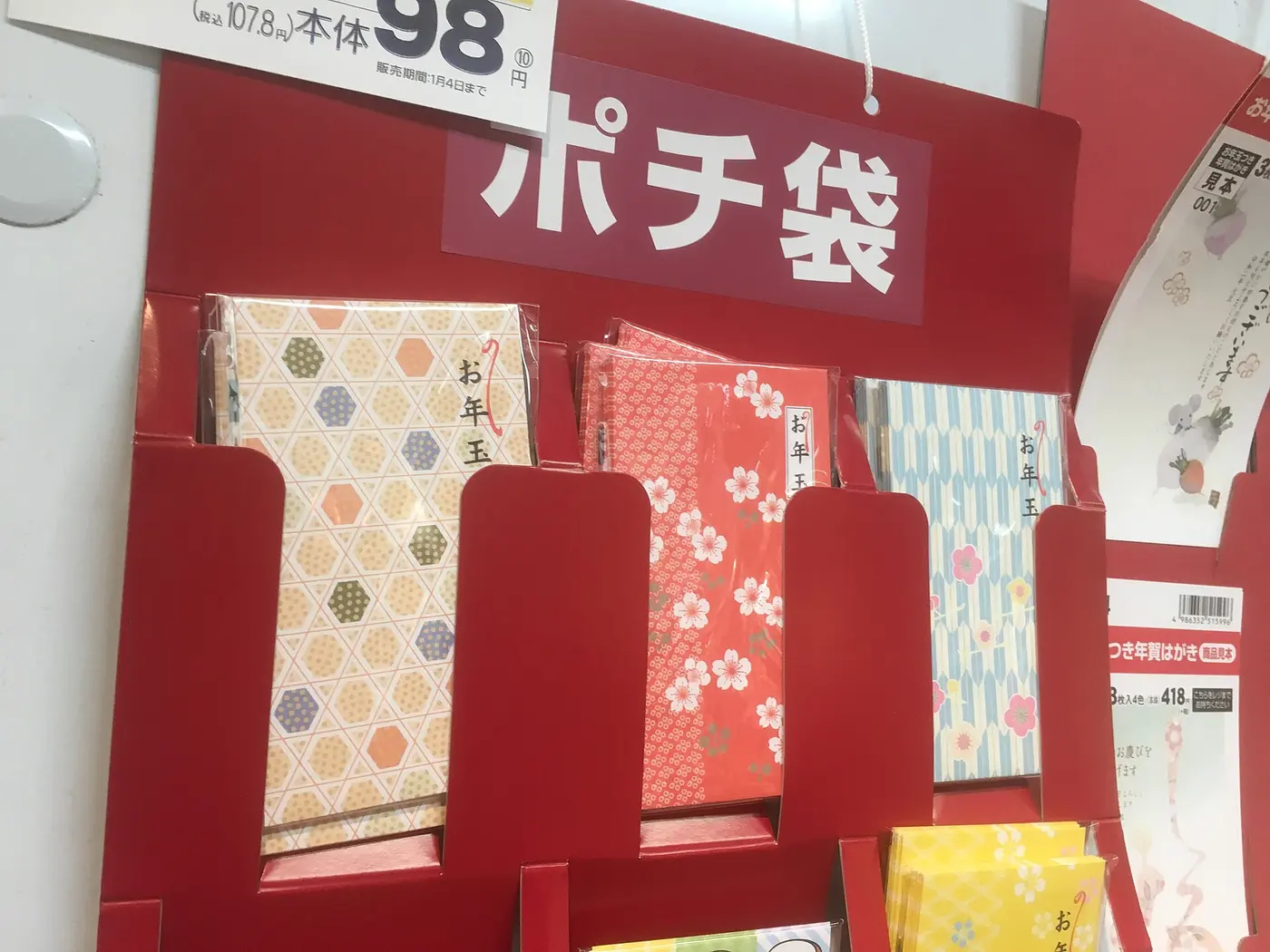

Children’s eagerness for their New Year gifts, on the other hand, seems to be nothing new. The Edo-period haiku poet Kobayashi Issa wrote a verse that runs roughly, “Here come the children and grandchildren, pestering me for their toshidama.” Some two centuries later, the scene is much the same.