Does shaving make hair grow back thicker?
No. Studies since 1928 have found that shaving does not change how thick or dark hair is, or how fast it grows. Regrowth only looks coarser because of its blunt cut ends and short length.
“The more you shave, the heavier your beard gets.” “Shave off fine hair and coarse hair grows in its place.” These are old and familiar warnings. And it is true that the hair that grows back after shaving feels rough and prickly and looks thicker and darker than before.
But shaving does not change the hair itself. The idea has been tested again and again for nearly a century, and each time it has failed.
Putting it to the test in 1928
One of the first to take on the myth was Mildred Trotter, an anatomist at Washington University in St. Louis. According to the university’s medical library, she arrived at the medical school in 1920 as a “Fellow in Hypertrichiasis,” assisting in a research project on excessive hair growth.
In a 1923 paper in the Archives of Dermatology and Syphilology, Trotter opened with an observation. There is a popular belief, “apparently shared by not a few physicians,” that hair growth is readily influenced by external factors: that cutting hair makes it grow better, that cold cream can cause excess hair, that sunburn and tan are good for hair growth. Yet it was difficult to find properly controlled data either for or against such views. So, with several friends who “willingly acted as subjects,” she set out to test them.
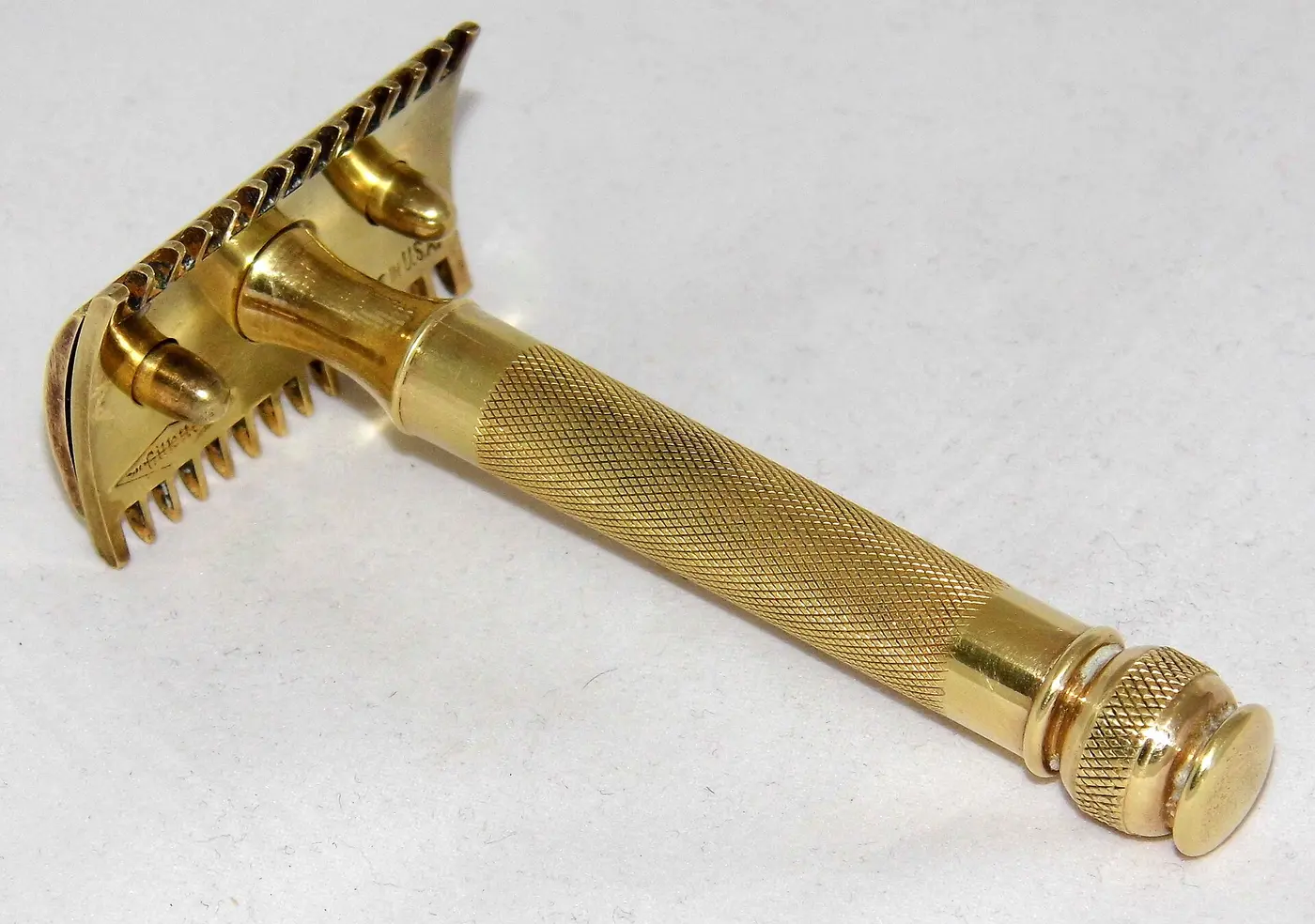

Then, in 1928, she published a paper titled “Hair Growth and Shaving” in The Anatomical Record. Shaving, she found, had no effect on the color, texture or growth rate of hair.
One leg shaved, one leg left alone
Later studies came to the same conclusion. In an experiment published in 1970 in the Journal of Investigative Dermatology, five healthy young men each shaved one leg every week for several months and left the other leg alone for comparison. The researchers found no differences that could be put down to shaving, whether in the total weight of hair grown in a measured area or in the width or growth rate of individual hairs.
In 2007, two pediatricians at Indiana University, Rachel Vreeman and Aaron Carroll, examined this belief in an article on “medical myths” in the BMJ. Strong scientific evidence disproves it, they concluded. A razor removes only the part of the hair above the skin, which is already dead. Hair is produced by the follicle deep in the skin, so cutting it at the surface is unlikely to affect how it grows.
So why does it look thicker?
The answer lies in the cut. A hair that has grown out naturally tapers to a fine point, like the tip of a paintbrush. A razor slices straight across the hair at the skin’s surface, and what grows out next is the blunt end of the full-width shaft. As the BMJ article explains, shaved hair lacks the finer taper of unshaven hair, which gives an impression of coarseness.
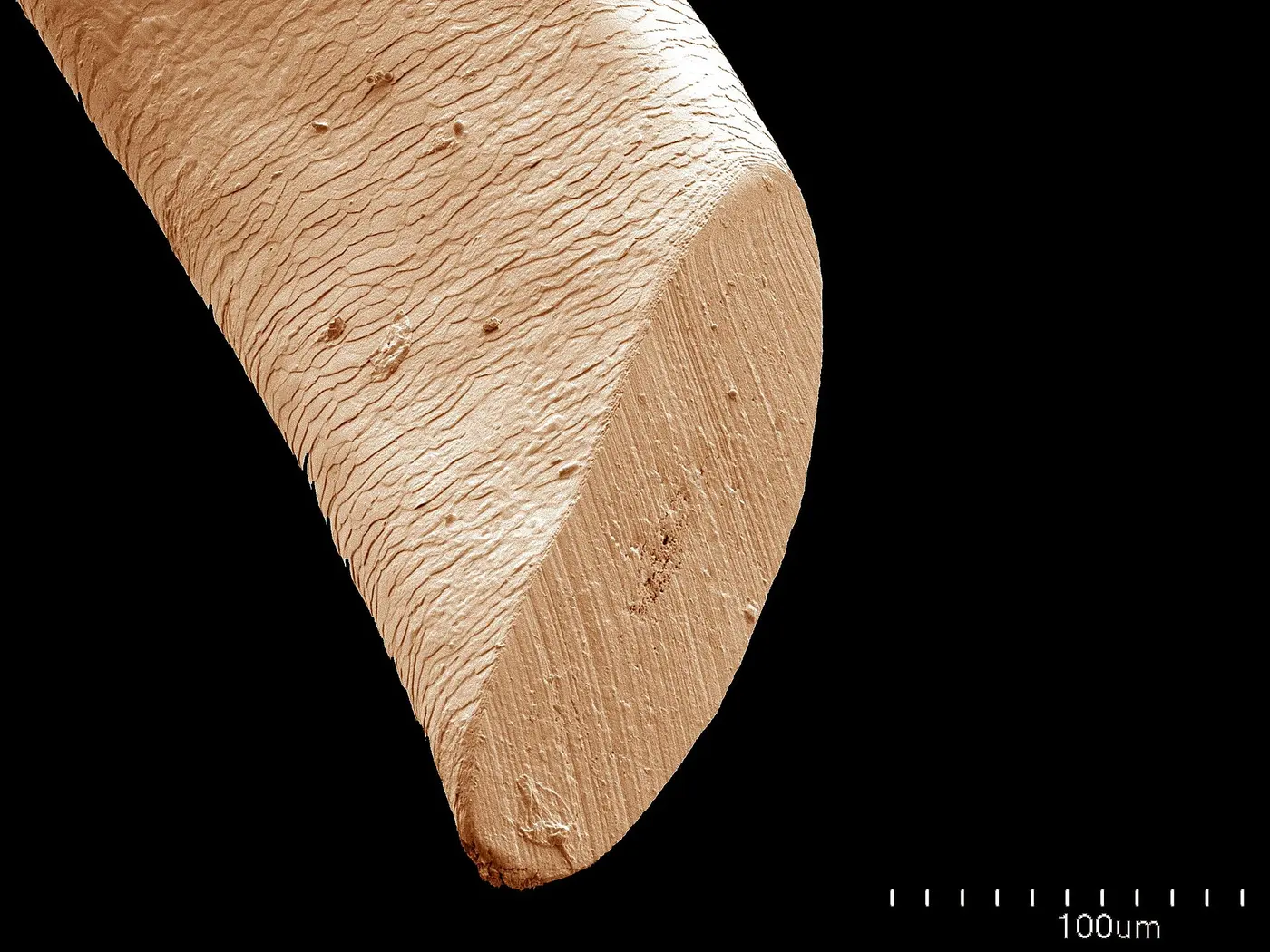

The prickliness has the same cause. Short hairs are stiffer than long ones, and a flat tip feels harsh against the skin. As the hair grows longer, it feels softer again.
There is a reason for the darker look, too. According to the BMJ article, new hair has not yet been lightened by the sun or other exposures, so it looks darker than the hair around it. On top of that, the cut ends of short hairs stand out as dark dots against the skin.
It may also matter that people usually start shaving at an age when their hair is getting thicker anyway. As Valerie Randall, a hair biologist at the University of Bradford in England, has explained, androgens around puberty transform the follicles in places such as the armpits, and the beard in men, from ones that make tiny, nearly invisible hairs into ones that make bigger, pigmented hairs. Hair that seems to get heavier after someone starts shaving may simply be going through that change at the same time.