Can hair turn white overnight?
Hair that has already grown is not thought to lose its color in a single night. But if the pigmented hairs suddenly fall out, the gray ones left behind can make hair look white almost overnight.
Hair turned white overnight by terror is a stock scene in novels and ghost stories, and several historical figures are said to have suffered it.
Yet the way hair works makes the story hard to believe. Even so, medical journals hold a surprising number of reports of hair turning white in a very short time. So what was going on?
The queen who went white “in one single night”
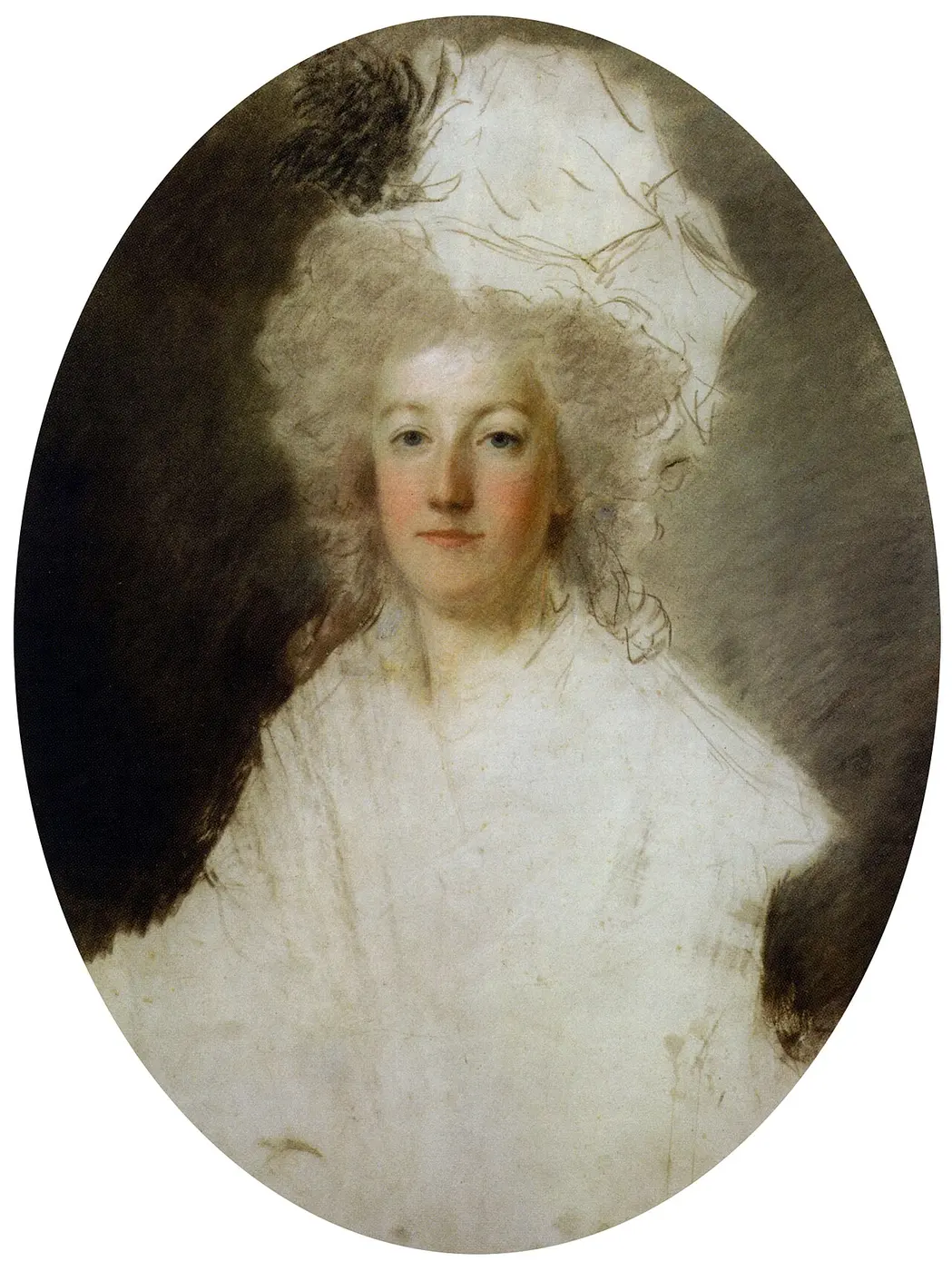
The most famous case is that of Marie Antoinette, Queen of France. The source is the memoir of Madame Campan, who served the queen for many years as a lady-in-waiting.
In June 1791, the royal family tried to slip out of Paris in secret and was caught at Varennes, near the border. Campan wrote that the first time she saw the queen after this disaster, the queen took off her cap and asked her to look at what grief had done to her hair. It had become, “in one single night, as white as that of a woman of seventy.” The queen was 35. Campan adds that she had a lock of her whitened hair set in a ring for her friend the Princesse de Lamballe, inscribed “Blanched by sorrow.”
Note, though, that Campan was not there on the night itself. She saw the white hair only afterward, so “in one single night” is either the queen’s own description or Campan’s understanding of it. A similar legend says that the English statesman Thomas More’s hair turned white the night before his execution in 1535. Dermatologists sometimes call sudden whitening “Marie Antoinette syndrome.”

Grown hair can’t change color
Hair gets its color from a pigment called melanin. Pigment cells at the root of each hair, beneath the scalp, make melanin and pass it into the new hair cells as they form. The hair outside the skin is no longer living tissue, so the body has no way to drain the color out of a dark hair that has already grown.
The Heibonsha World Encyclopedia, a standard Japanese reference, makes the same point: hair that is already black does not turn white. Either new hairs grow in white or hairs turn white partway along as they grow, so it takes quite a while for a head of hair to look white. Scalp hair grows only about 1 cm (0.4 inch) a month. For a whole head to look white from the roots up would take months, if not years.
When only the dark hairs fall out
Does that make every story of sudden whitening a fiction? Not necessarily. One leading explanation is alopecia areata, a condition in which the immune system attacks the hair follicles and the hair falls out. It tends to target pigmented hairs and to spare gray ones.
DermNet, a dermatology resource run by doctors in New Zealand, lists “sudden greying” as one form of alopecia areata: the pigmented hairs fall out, unmasking the gray hairs that were already there. If someone with salt-and-pepper hair loses most of the dark strands in a matter of days or weeks, it can look as if their hair went white overnight. In 2009, a team of dermatologists including Alexander Navarini described a 54-year-old woman whose hair had turned white within a few weeks, under the title “Marie Antoinette Syndrome.”
That may not be the whole story, though. In 2013, Navarini and two colleagues gathered 196 case reports from the medical literature since 1800. Of the 44 cases in which doctors had seen the patient both before and after the change, hair loss was mentioned in only six. Some have suggested that air seeping into the hair shaft makes it look white, but the mechanism remains unclear.
Does stress cause gray hair?
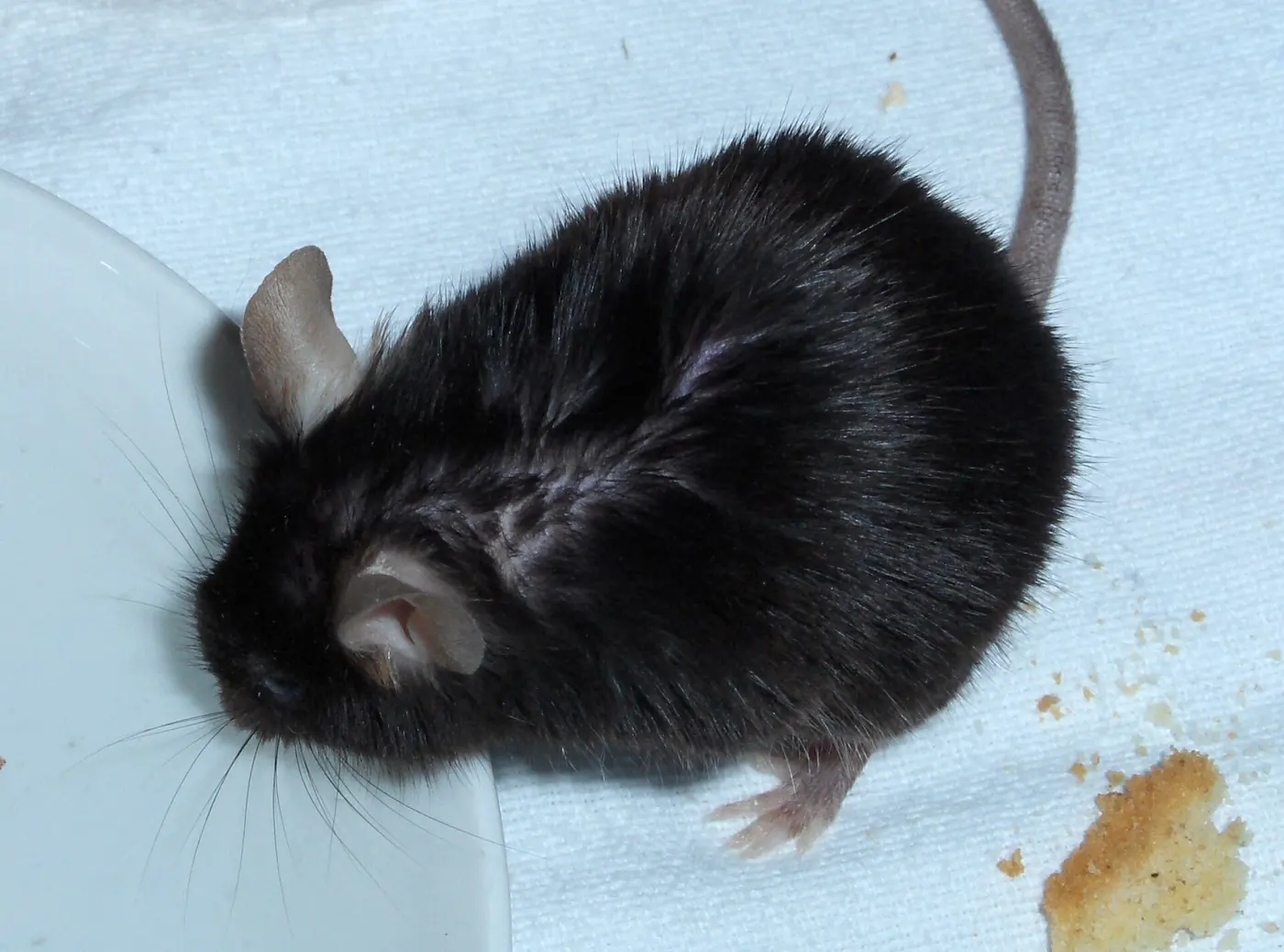
Some researchers have tackled stress and graying in the lab. In a study published in Nature in 2020, a Harvard team caused pain-related stress in black-furred mice by injecting a chemical similar to capsaicin, the compound that makes chili peppers hot. Within about five days, many hair follicles had completely lost their melanocyte stem cells, the cells that supply each new hair with color.
The culprit was noradrenaline released by stress-activated sympathetic nerves. It made the stem cells wake up all at once and use themselves up, and the white hair was permanent. But the hairs already growing stayed black; only the next hairs to grow came in white. Even in mice, hair did not go white overnight.

And in people? In 2021, a team at Columbia University developed a way to measure color changes along a single hair from root to tip, and reported that some gray hairs naturally regained their color. In one person, a hair lost its pigment during a period of greater stress and regained it when the stress eased. Only a handful of people were studied, but graying may not always be a one-way street.