Do all shaved ice syrups taste the same?
Many store-bought syrups are nearly identical apart from flavoring and coloring. Much of the difference comes from aroma and color.
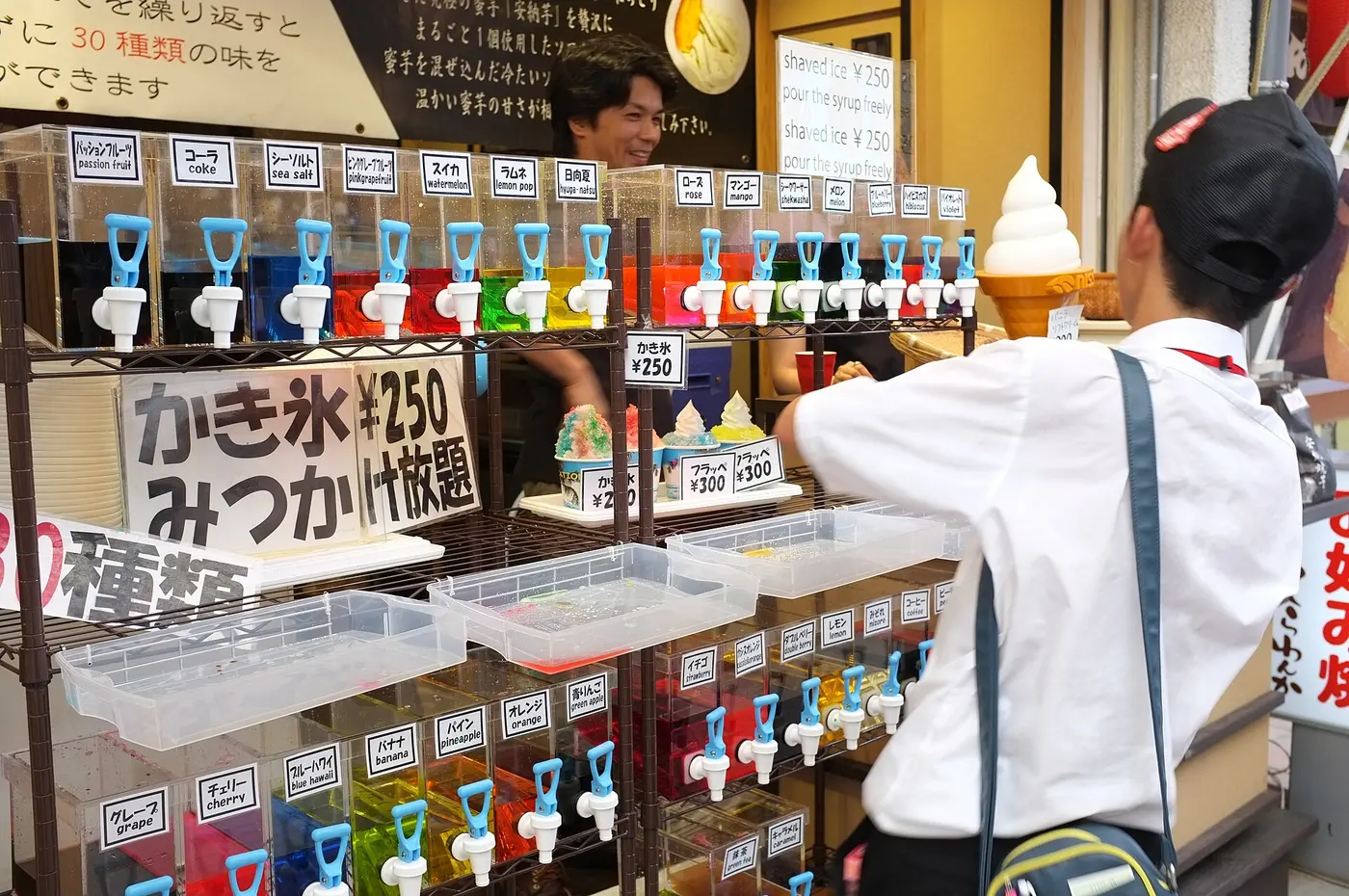
Have you ever stood in front of a kakigori stall at a Japanese summer festival, unable to decide? Kakigori is Japan’s shaved ice, and the choices glow in the sun: bright red strawberry, vivid green melon, yellow lemon, and blue Hawaii, as blue as a tropical sea. Picking one is a small but serious problem every summer.
Yet some people have heard that “all shaved ice syrups actually taste the same.” Is that just a rumor, or is it true?
Compare the ingredient labels
Checking is easy. Compare the ingredient lists on the shaved ice syrups sold in supermarkets. Many products list things like “high-fructose corn syrup,” “acidulant,” “flavoring” and “coloring.” And it is not unusual for strawberry and melon to differ only in the kind of flavoring and coloring.
Some syrup makers themselves explain that apart from flavoring and coloring, the ingredients are the same. The sugar syrup that provides the sweetness and the acidulant that adds tartness are shared; add strawberry aroma and red coloring and you have strawberry, add melon aroma and green coloring and you have melon.
This applies only to ordinary store-bought syrups, however. Syrups made with fruit juice, or made by hand from real fruit at specialty shops, are something else entirely. Uji, made with matcha green tea, and mizore, a plain sugar syrup with no color or aroma, are also exceptions. Recipes vary from product to product, so you cannot say that “they’re all the same.”

Much of “taste” happens in the nose
Even so, when you compare strawberry and melon side by side, they really do seem to taste different. Why?
The tongue can detect only the basic tastes: sweet, sour, salty, bitter and umami. Most of what makes something taste “like strawberry” or “like melon” is actually picked up by the nose, not the tongue. When you put food in your mouth, its aroma travels from the back of the throat up into the nose. The brain combines that aroma with what the tongue senses, and the result is what we call “flavor.”
That is why food tastes of very little when your nose is blocked by a cold. Try pinching your nose while comparing shaved ice syrups, and the differences should become much harder to tell.
Color changes taste, too
Another big part is played by what comes in through the eyes. When we see something red we unconsciously expect “strawberry”; when we see green, we expect “melon.” That expectation can shape the flavor we actually perceive.
Many experiments have confirmed that color changes how we perceive aroma and taste. A well-known example is a study published by French researchers in 2001. When 54 people were given a white wine dyed red with an odorless coloring, they described its aroma in words typical of red wine. The visual information “red” overrode their judgment of what they smelled.
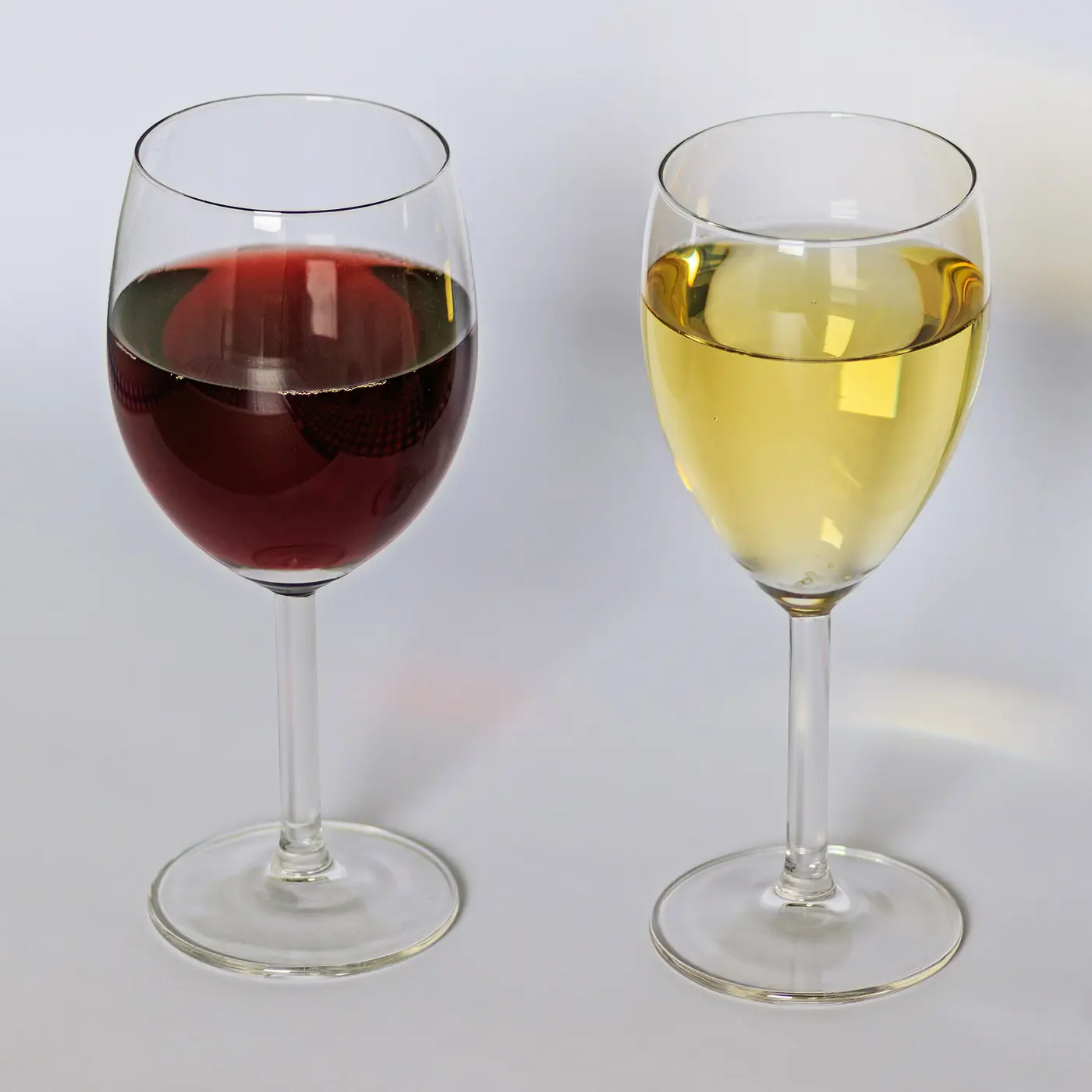

Something similar is thought to happen with shaved ice syrup. When color and aroma line up, the brain concludes “this is strawberry,” and we feel as if we are tasting strawberry. Put the other way around, as long as you have the two cues of color and aroma, you can enjoy different flavors even when the contents are almost the same.
The mystery of blue Hawaii
Blue Hawaii shows how this works especially well. Unlike strawberry or melon, blue Hawaii has no fixed “original fruit.” So the flavor varies from maker to maker: some taste like cider (a clear lemon-lime soda in Japan), some like ramune soda, others like fruit.
Even so, one look at that blue color is enough for most people to call to mind a vague “blue Hawaii flavor.” What we taste is not only the syrup itself. We are also enjoying an “imagined flavor” that the brain builds from color and aroma.