Do sharks die if they stop swimming?
Only some do. Great whites and a few others must keep moving to breathe, but many sharks can rest quietly on the seafloor.
“If a shark stops swimming, it dies.” Most of us have heard it somewhere, on TV or in a book. It fits the image perfectly: a sleek hunter, forever cruising the ocean without a moment’s rest.
But the rule does not apply to sharks as a whole. Only some species must keep swimming. Plenty of others spend long stretches lying still on the seafloor. What makes the difference is how they get water over their gills.
Two ways to breathe
Like other fish, sharks breathe with gills. As water flows over the gill membranes, tiny blood vessels absorb oxygen from it and release carbon dioxide. The question is how to keep the water flowing.
One method uses the muscles of the mouth to draw water in and push it over the gills. This is called buccal pumping, after the buccal, or mouth, muscles that do the work. With it, a shark can breathe while staying perfectly still.
The other method is to swim with the mouth open and let forward motion force water across the gills. This is called ram ventilation. Some sharks, such as the tiger shark, can switch between the two depending on how fast they are swimming.
Sharks that can never stop
The trouble comes for sharks that have lost the ability to pump, along with the anatomy needed to do it, and can breathe only by ram ventilation. According to the science news site Live Science, this group includes the great white, the mako and the whale shark. If they stopped swimming, they would run short of oxygen and die. For these sharks, the old saying is true.
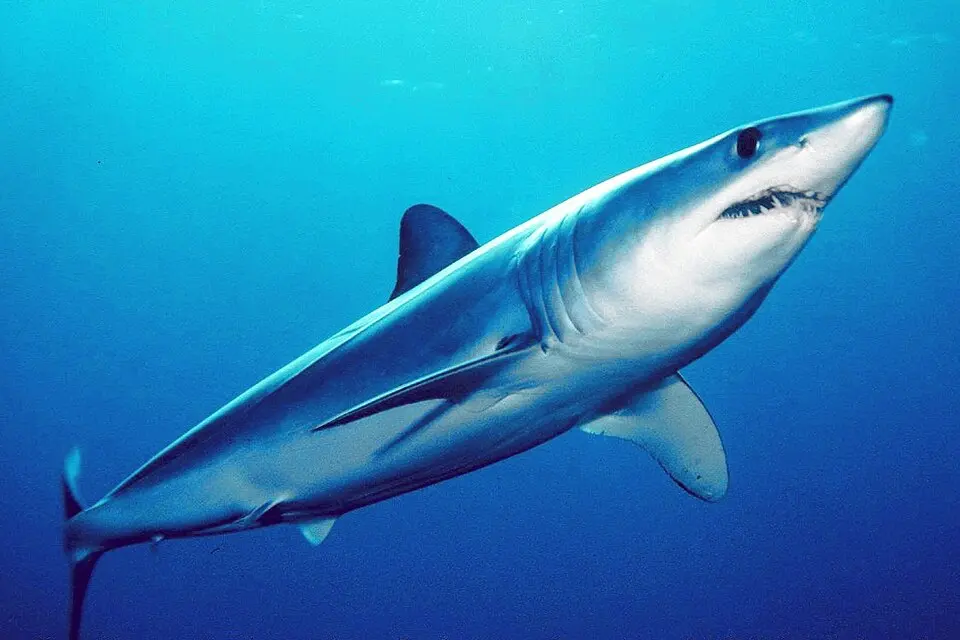

Staying afloat is part of the story too. Many bony fish adjust their buoyancy with a gas-filled swim bladder, but sharks have none. Instead, according to the Florida Museum of Natural History, a large liver full of low-density oil provides some of the lift they need.
Sharks that rest on the bottom
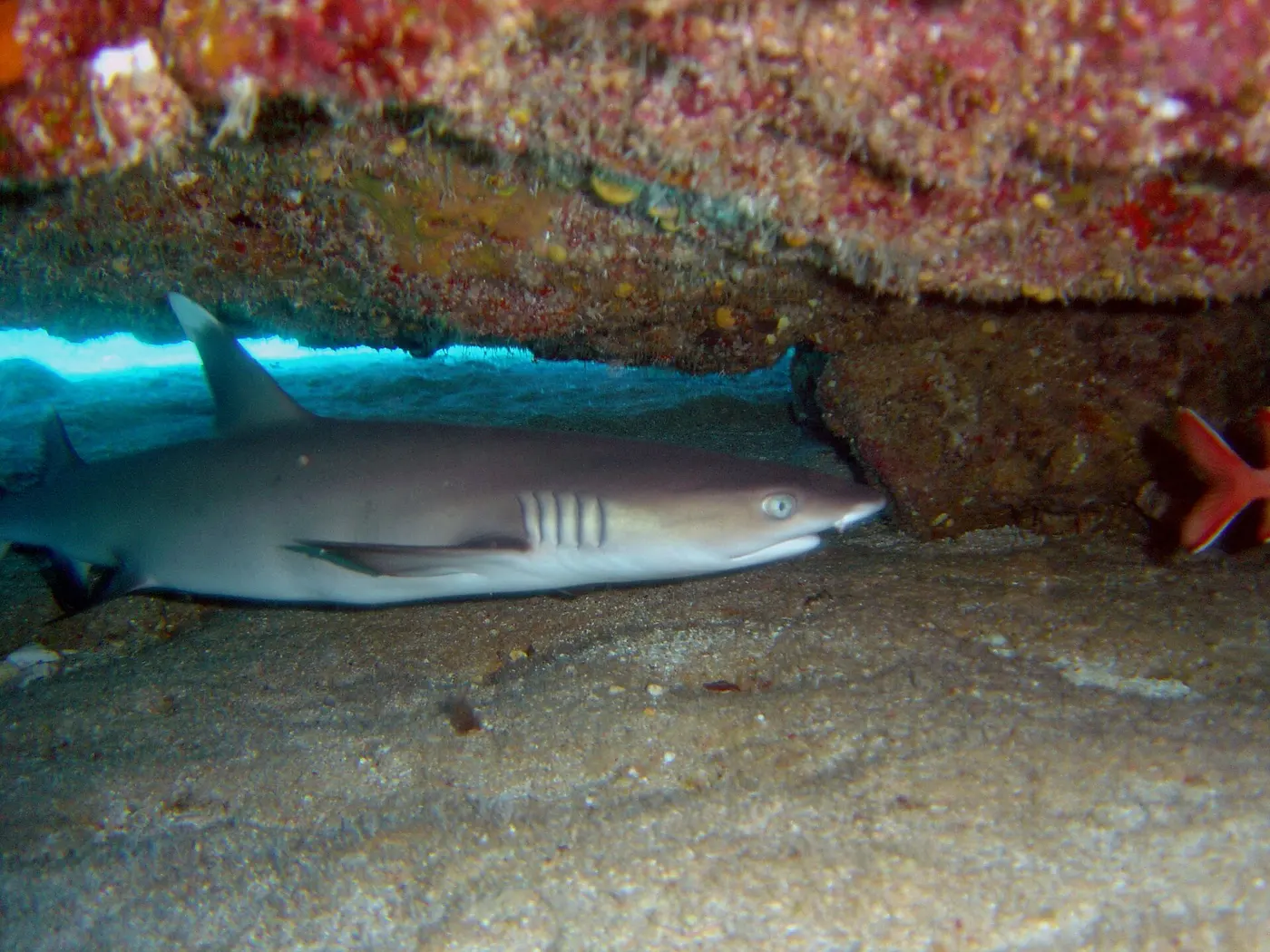
Sharks that can pump water with their mouths, on the other hand, are free to rest. A classic example is the whitetip reef shark, found in the Indian and Pacific Oceans, including the waters around Japan’s southwestern islands and the Ogasawara Islands. Its Japanese name, nemuribuka, means “sleeping shark.” According to the Japanese encyclopedia Nipponica, it earned the name because it spends the day resting in caves and crevices on shallow coral reefs. At night it becomes active, hunting fish, shrimp and crabs hidden among rocks and corals.
The zebra shark is another night hunter that spends its days on the seafloor. Monterey Bay Aquarium in California explains that zebra sharks can pump water over their gills through the mouth or through the large spiracles, breathing holes behind each eye, so they can breathe without swimming. Their oil-rich livers help with buoyancy, but not enough to keep them afloat, so when they rest they simply settle on the bottom.

Do sharks sleep?
Motionless sharks once caught scientists by surprise. In the 1970s, the American marine biologist Eugenie Clark, the “Shark Lady,” whose mother was Japanese, studied “sleeping sharks” hanging motionless in undersea caves off Mexico’s Yucatán Peninsula. National Geographic has described the discovery as upending scientists’ belief that sharks had to keep moving to breathe.
According to materials from Mote Marine Laboratory, which preserves Clark’s legacy, the sharks were not truly asleep but in a kind of lull or stupor, sometimes for hours. The water in the caves was high in oxygen and low in salt, which is thought to have helped them keep breathing while they rested.
So do sharks ever really sleep? In 2021, a research team studied two bottom-dwelling species that often lie still for long periods, the Port Jackson shark and the draughtsboard shark. Resting sharks took noticeably stronger stimulation to provoke a response, a hallmark of sleep. The study is regarded as the first demonstration that sharks sleep. A follow-up in 2022 found that sleeping draughtsboard sharks lower their metabolic rate and lie flat, while whether their eyes are closed turned out to be a poor guide.
Both of these species, though, can pump water with their mouths. How sharks that must swim nonstop manage to sleep, if they do, remains an open question.