Where does the Japanese word “arigatō” come from?
It comes from the old word “arigatashi,” which originally meant “rare” or “hard to come by.”
“Arigatō (ありがとう),” or “thank you,” must be one of the most frequently used words in Japanese. People say it when they get their change at a shop, when someone lets them go first, when a family member pours them a cup of tea. Count how many times a day it comes out, and you would quickly lose track. It is so familiar that hardly anyone stops to think about where it came from.
Trace the word back, though, and you arrive at classical literature written more than a thousand years ago. And the meaning it carried there was a little different from the “thanks” we have in mind today.
A word meaning “hard to exist”
“Arigatō” grew out of the classical adjective arigatashi (有り難し). Ari means “to exist,” and katashi (here pronounced gatashi) means “difficult.” Put together, the word meant “difficult to exist”—in other words, “rare” or “seldom seen.”
The adverbial form of arigatashi was arigataku. Through a common sound change in which the ku softened to u, it became arigatau, and eventually settled into the way it was actually pronounced: arigatō. The same process turned ohayaku (“early”) into ohayō, “good morning.” The more polite arigatō gozaimasu is simply arigatō with the courteous gozaimasu attached.
Sei Shōnagon’s list of rare things
The Pillow Book (Makura no Sōshi), written in the Heian period (794–1185), includes a section titled “Rare Things” (arigataki mono). In it, the court lady Sei Shōnagon lists things you hardly ever come across: a son-in-law praised by his father-in-law, a daughter-in-law adored by her mother-in-law, silver tweezers that actually pluck hair well, and a servant who never speaks ill of his master.
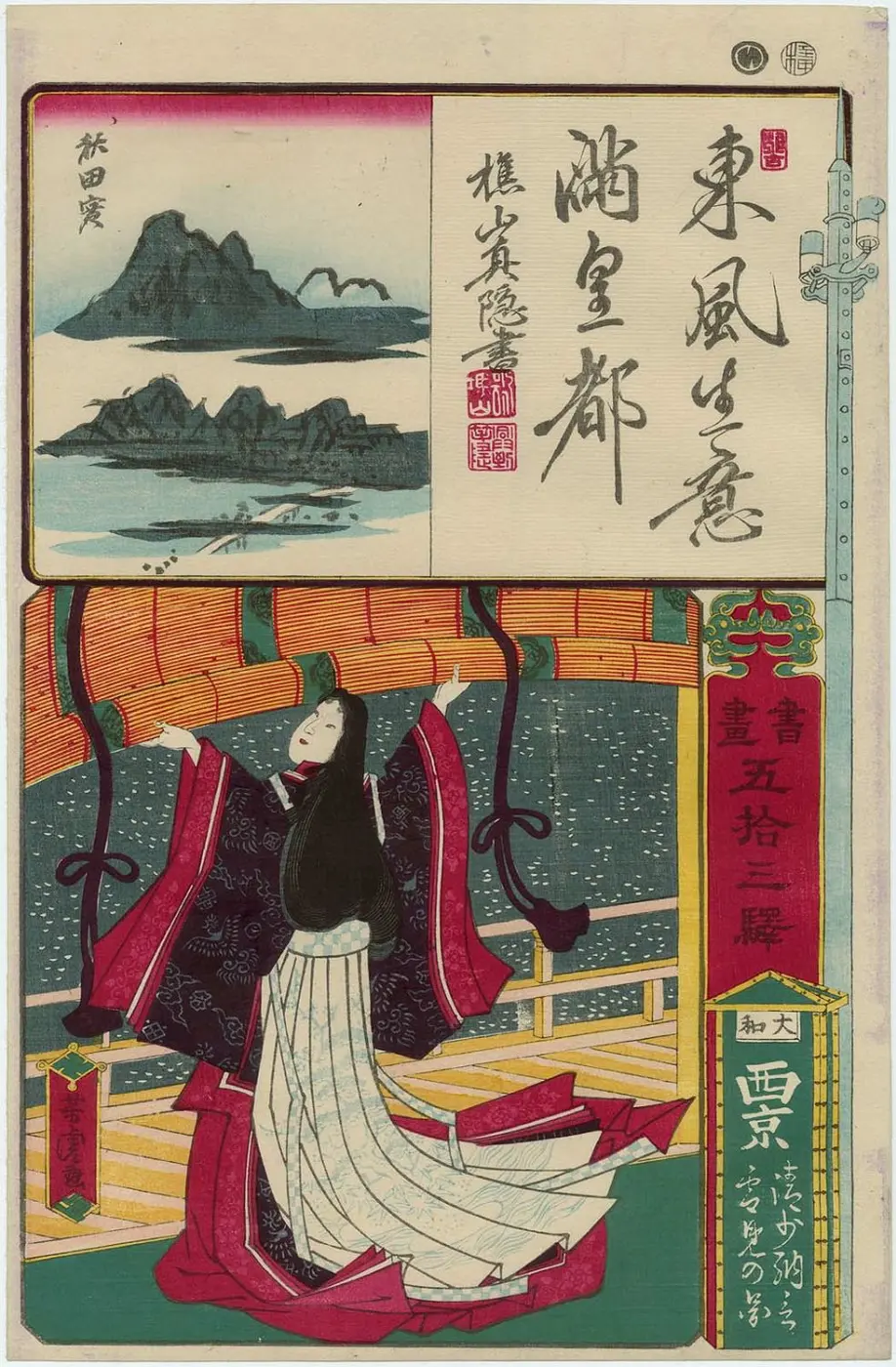

Here, arigatashi carries no sense of gratitude at all. It is a sharp-eyed grumble: you just don’t see things like that very often. It is rather endearing to think that people a thousand years ago were also fretting over in-law relations and tweezers that wouldn’t pluck properly.
From “rare” to “thank you”
So how did a word meaning “rare” become a word of thanks?
One clue lies in Buddhism. In medieval Japan, people increasingly used arigatai for precious things that are hard to obtain no matter how much you might wish for them, such as the mercy of the Buddha. Something is precious, and more than you deserve, precisely because it is rare. That feeling is thought to have gradually extended to kindnesses received from other people, until the word grew into an expression of gratitude.
When we say “arigatō,” we are receiving someone’s kindness as something rare and precious.
Even so, the word did not become the standard way to say thanks overnight. In earlier times, expressions such as katajikenai were commonly used to thank someone. “Arigatō” is thought to have come into wide everyday use among ordinary people during the Edo period (1603–1868).
The truth about the Portuguese “obrigado” theory
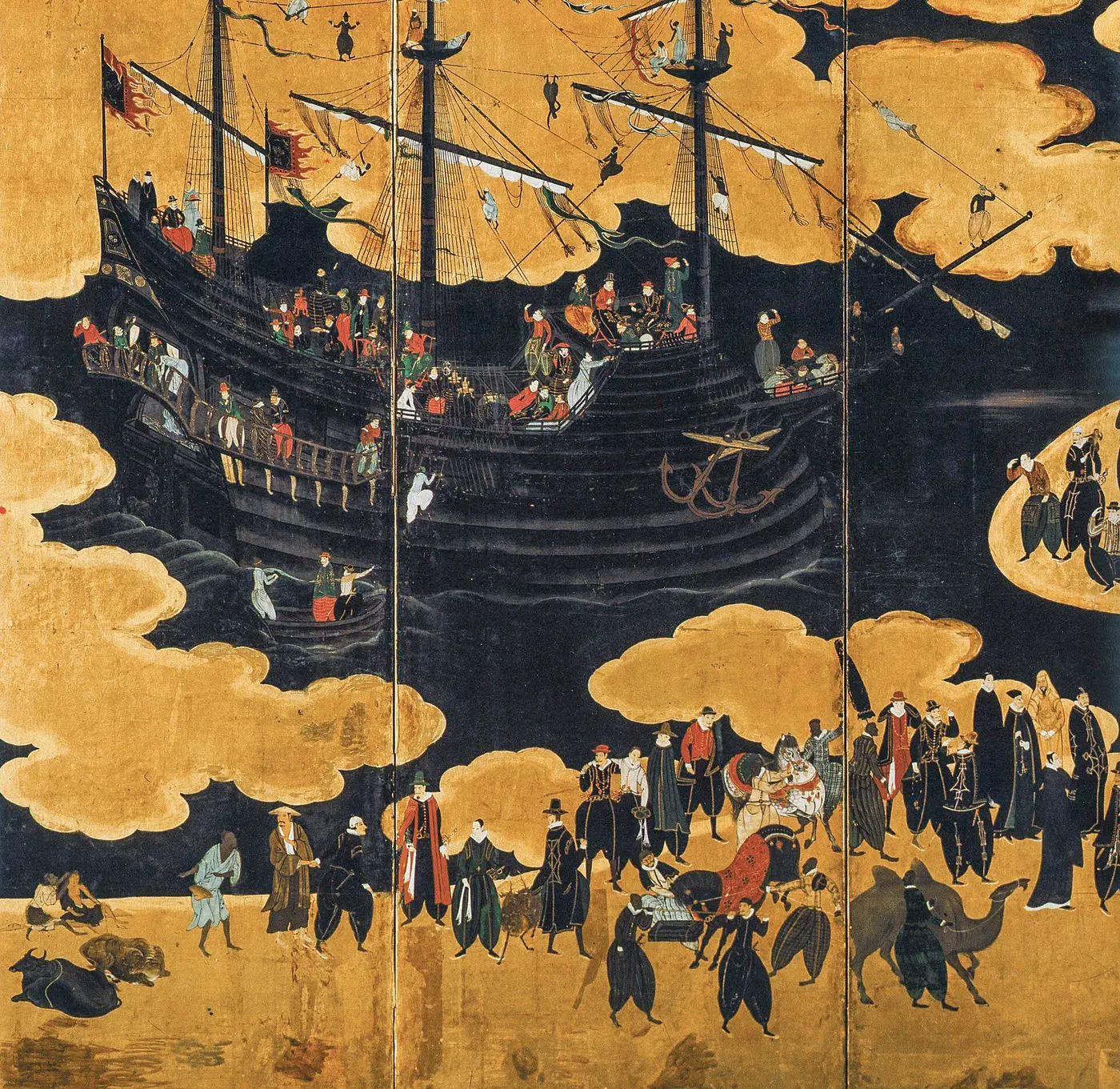
You may have heard that “arigatō” comes from the Portuguese obrigado. The story goes that Portuguese visitors who came to Japan in the 16th century used the word, and the Japanese imitated them. The two words do sound a little alike, so it seems plausible enough.
But this is a baseless popular myth. The Portuguese first drifted ashore on the island of Tanegashima in the mid-16th century. More than 500 years earlier, Sei Shōnagon was already writing arigatashi. And since we can trace, within Japanese itself, how the form and meaning shifted from arigatashi to arigatō, there is no need to bring in a foreign language at all.

Incidentally, obrigado originally means “obligated” or “indebted,” much like the English “much obliged.” It was born in an entirely different way from arigatō, which grew out of “rare.” The two happen to sound a little alike, and both happen to be words of thanks. That coincidence is probably what gave rise to such an appealing myth.
Of course, some Japanese words really did come from Portuguese: pan (bread), karuta (playing cards) and botan (button), for example. Perhaps it is precisely because so many genuine loanwords exist that people are quick to assume “arigatō” is one of them.