Why do the sparks of a Japanese senko hanabi sparkler branch out?
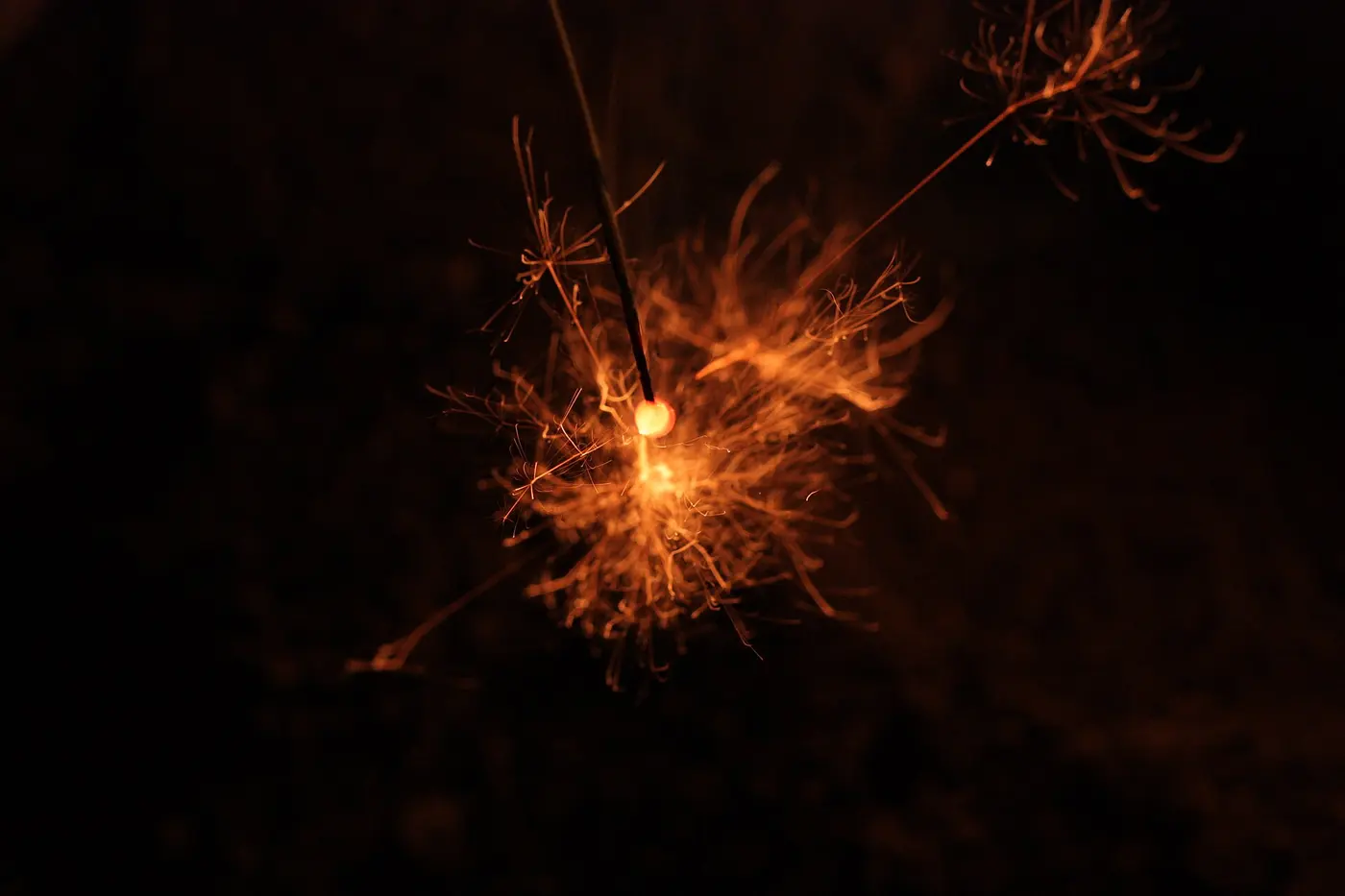
Tiny molten droplets fly out of the glowing ball, and gas forming inside each one makes it burst into smaller droplets. The bursting repeats up to eight times, drawing branches like pine needles.
8 times
On summer evenings in Japan, people gather to light senko hanabi, tiny handheld fireworks made of a pinch of gunpowder twisted into a strip of paper. Once lit, the tip melts into a small glowing ball. Then sparks crackle out of it, splitting into ever finer branches. According to the Japanese encyclopedia Nipponica, senko hanabi have been made as children’s toys since the 1660s, during the Edo period (1603–1868).
Each stage has a name, from the “peony” of the first popping sparks to the branching “pine needles” (matsuba) and the last faint “falling chrysanthemum petals” (chirigiku).
But why do the sparks branch at all? Japanese physicists have been puzzling over that simple question for a century.
Terada’s challenge
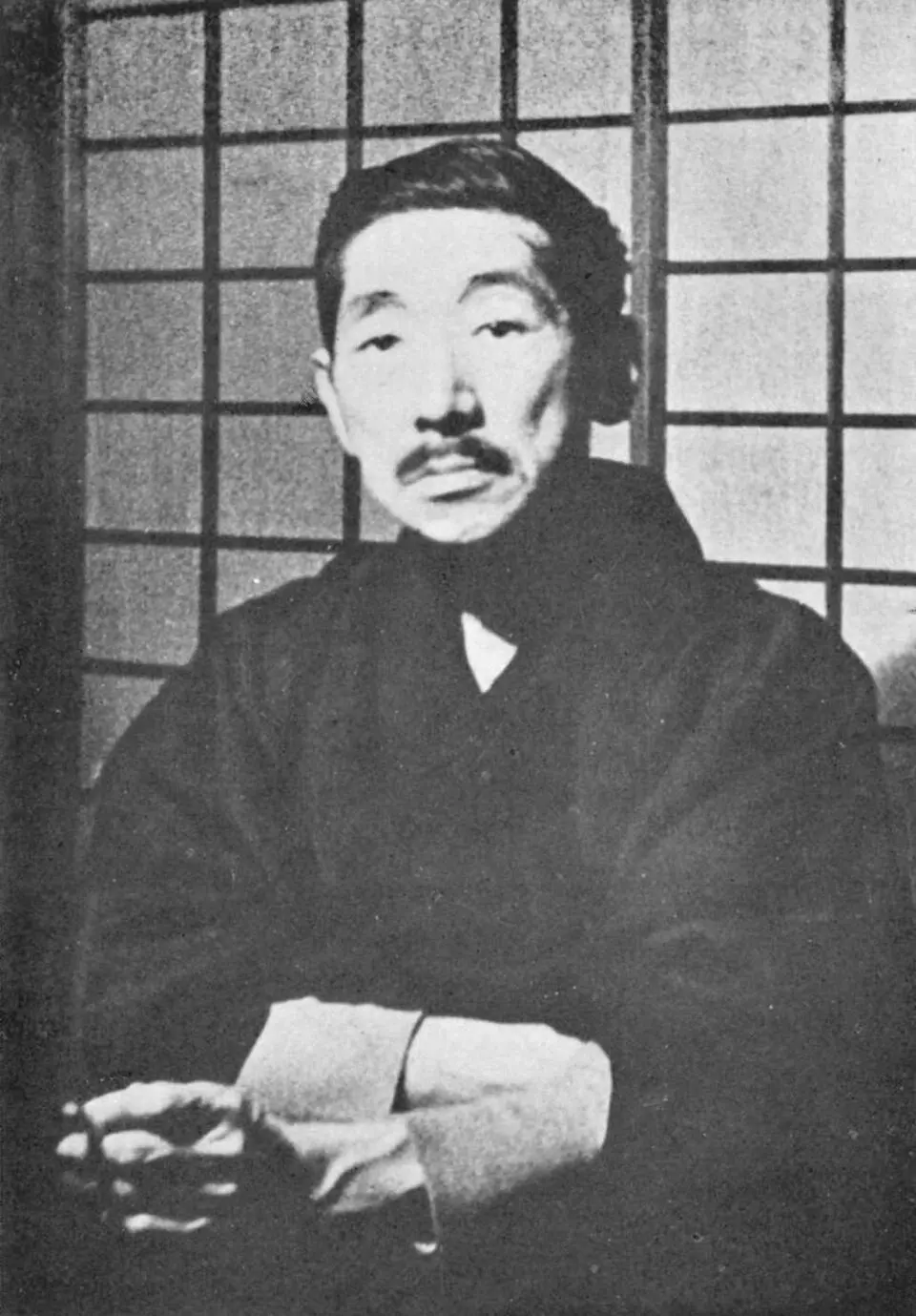
In September 1927, the physicist and essayist Torahiko Terada wrote about senko hanabi in the magazine Shisō, describing the peony-like flames, the pine needles that shatter again and again, and the final weak sparks that droop and fall. The way a single senko hanabi burns, he wrote, follows the classic Japanese patterns of introduction, development and climax, and there is “poetry and music” in it. It was his mother, he recalled, who called the final stage chirigiku.
Terada called the way sparks shoot from the glowing ball and then burst “in two or three stages” an interesting problem in physics and chemistry. For more than ten years he had urged people to study it, but no one had, so about two years earlier he had started on it himself. Had Western physicists known about senko hanabi, he added, someone would surely have studied them long ago.

Nakaya’s summer project
One of the people who helped was Ukichiro Nakaya, who would go on to make the world’s first artificial snow crystals in a laboratory. In his own essay on senko hanabi, Nakaya recalled that Terada suggested the problem every year to graduates heading off to teach in the provinces, and none of them ever reported back. Finally, one hot summer in the mid-1920s, Terada suggested that Nakaya and a fellow student take up senko hanabi as a way to beat the heat.
Catching sparks on a glass plate and examining them under a microscope, Nakaya’s team found that each spark was a cluster of fine carbon particles wrapped in a transparent, salt-like substance. The next summer they managed to photograph the sparks and confirmed that the small sparks flung out by a burst exploded again in a second and third stage. The sparks were surprisingly slow, about 60 centimeters (2 feet) per second, and burst for the first time about a tenth of a second after leaving the ball. Pine-needle sparks poured out once the ball heated to about 940°C (1,720°F), and stopped when it cooled to about 850°C (1,560°F).
Nakaya guessed that the carbon particles, wrapped in molten material, burned explosively in mid-flight and blew the spark apart. But sparks that appear and vanish in an instant were hard to photograph clearly, and why they branched remained a mystery for decades.
A cascade caught on camera
The answer came in 2017, in the journal Physical Review Letters. Chihiro Inoue, then a project associate professor at the University of Tokyo, and colleagues at Yokohama National University and Aix-Marseille University in France filmed senko hanabi at 100,000 frames per second.
According to the University of Tokyo, bubbles on the surface of the glowing ball burst and fling out droplets about 0.1 millimeters across at 1 meter (3 feet) per second, the same way bursting bubbles in a glass of champagne send up a fine spray. The crackling sound is the bubbles bursting. As each droplet flies, carbon on its surface reacts with oxygen in the air and gives off heat. When the heat reaches the inside, gas forms and swells rapidly, and the droplet bursts into several daughter droplets about half its size. Each of those does the same, for up to eight generations, until the droplets are so small that cooling wins out. Then the splitting stops and the spark goes dark.
Ordinarily, a solid or liquid that breaks up once or twice then stays put unless something keeps pushing on it. A spark that keeps splitting by itself, generation after generation, turned out to be rare in nature.

The ball and sparks are made of potassium compounds left by the burning gunpowder, and their melting points set the temperatures: about 880°C (1,620°F) for the ball and no more than about 1,070°C (1,960°F) for the sparks. Unlike aerial fireworks, colored by metals glowing in a flame, a senko hanabi glows the way any hot object does, with a color set by its temperature. As of 2017, the willow stage, when sparks droop without branching, was still unexplained. Inoue has continued the work at Kyushu University; a 2024 paper showed that the bubbles inside the droplets grow not by evaporation but from gas released as compounds break down in the heat.