Why can’t you tickle yourself?
Your brain appears to predict the sensations your own movements will cause, and turns them down before they arrive.
0.2seconds
When someone tickles your armpits or the soles of your feet, you squirm and burst out laughing. Run your own fingers over the same spots, though, and you feel almost nothing. However skillfully you copy the motion, the result is the same.
It’s odd when you think about it. The movement is the same, and so is the feeling of fingers on skin. The only difference is who is doing the moving. So how does your brain tell the two apart?
Darwin noticed it too
One of the first to puzzle over this was Charles Darwin, the British naturalist best known for the theory of evolution. In his 1872 book The Expression of the Emotions in Man and Animals, he devoted some thought to tickling and laughter.
To laugh when tickled, Darwin wrote, the mind must be in a pleasurable state: a young child tickled by a strange man would scream from fear. And since a child can hardly tickle itself, he reasoned, “the precise point to be touched must not be known.” He compared it with humor, where something unexpected that breaks into our usual train of thought makes us laugh.
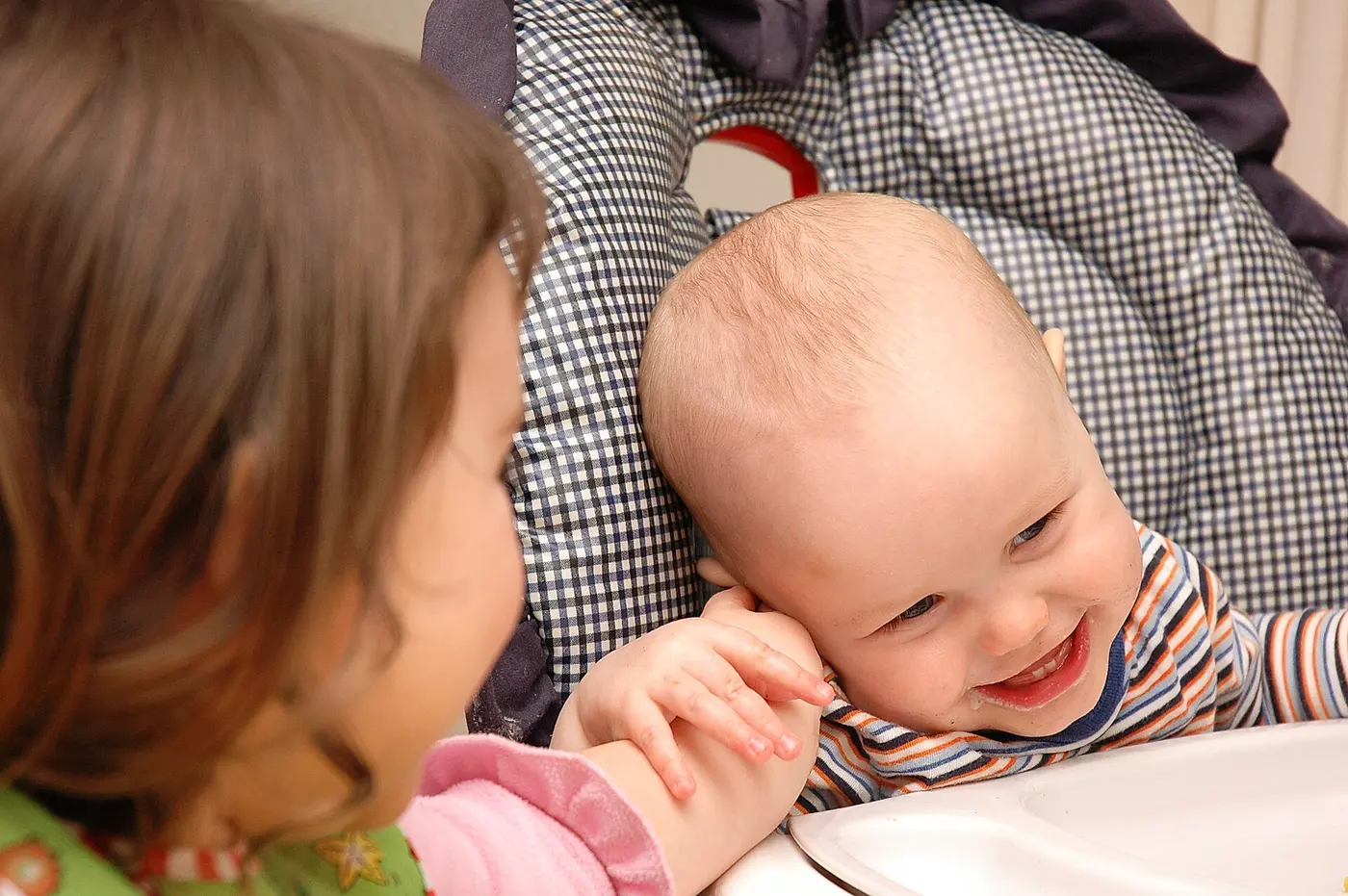

About a century later, in 1971, the psychologist Lawrence Weiskrantz, who spent much of his career at the University of Oxford, put the idea to the test with colleagues. They compared a stroking touch on the sole of the foot delivered by the experimenter with the same touch delivered by the volunteers themselves. Self-delivered strokes felt less tickly. When the experimenter moved the volunteer’s hand to deliver the touch, the result fell somewhere in between. That suggested the key was not just feeling your hand move, but the brain’s own command to move it.
Robots that add a delay
Sarah-Jayne Blakemore and colleagues at University College London took the idea further. In an experiment published in 1999, a soft piece of foam on the end of a robot arm stroked the right palms of 16 volunteers. Sometimes the robot moved on its own. At other times, the volunteers moved a handle with their left hand, and a second robot passed that exact movement on to the foam. As expected, self-produced strokes felt less tickly.
Then came the clever part. The researchers inserted a tiny delay between the left hand’s movement and the stroke on the right palm. The longer the delay, the ticklier the stroke felt, and at a delay of 0.2 seconds it was rated as tickly as when the robot acted alone. Fourteen of the 16 volunteers never even noticed the delay. Twisting the direction of the stroke by 90 degrees relative to the hand movement brought the tickle back in the same way.
A brain that reads ahead
The researchers’ explanation goes like this. When you move, your brain sends a command to your muscles and, at the same time, predicts what that movement will feel like. When the sensation arrives as predicted, the brain turns it down. You can’t tickle yourself because your brain already knows what’s coming. If the prediction and the actual sensation don’t match, the cancellation fails to that extent, and the tickle returns.
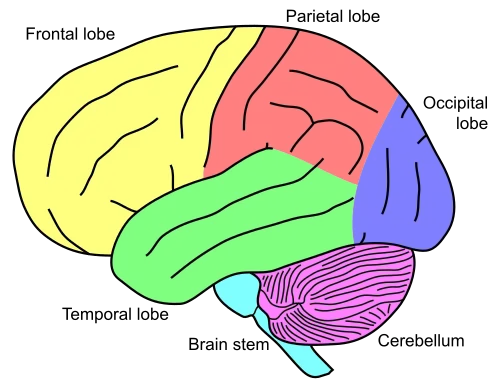
The prediction is thought to involve the cerebellum, a region at the lower back of the brain. In 1998, the same team scanned volunteers’ brains and found that the area that processes touch was more active when someone else did the touching. In the cerebellum, activity differed depending on whether a hand movement produced a touch or touched nothing at all.

That isn’t the only explanation, though. In 2019, a team at Humboldt University of Berlin reported that in rats, touching their own bodies broadly suppressed activity in the brain’s touch area. In this view, the brain isn’t carefully sorting “me” from “someone else,” but simply turning down the sensitivity of touch while you are touching yourself. In 2022, the team showed something similar in people: tickling yourself while someone else tickles you makes their tickling feel weaker.