Does reading in dim light ruin your eyesight?
It can tire your eyes, but there is no evidence that it harms your vision for good. Childhood nearsightedness is linked instead to lots of close-up work and too little time outdoors.
200lux
Plenty of us have done it: burrowed under the covers with a flashlight to finish a book, only to have it confiscated at the most exciting part with a warning that reading in the dark will ruin your eyes. Parents in Japan say it, and so do parents in English-speaking countries.
In 2007, two pediatricians at Indiana University School of Medicine, Rachel Vreeman and Aaron Carroll, wrote an article for the BMJ, the British medical journal, on medical myths that “sometimes even doctors” believe. Alongside “People should drink at least eight glasses of water a day” and “We use only 10% of our brains” was “Reading in dim light ruins your eyesight.”
Tired eyes, but only for a while
The fear, they wrote, “probably has its origins in the physiological experience of eye strain.” Poor lighting can make it feel harder to focus. It also makes us blink less, so the eyes dry out and feel uncomfortable, especially when we squint. The important point, they added, is that “these effects do not persist.”
According to the pair, the majority view in ophthalmology, as reflected in educational material for patients, is that reading in dim light does not damage your eyes. It may cause temporary eye strain, but it is unlikely to change the function or structure of the eyes permanently.
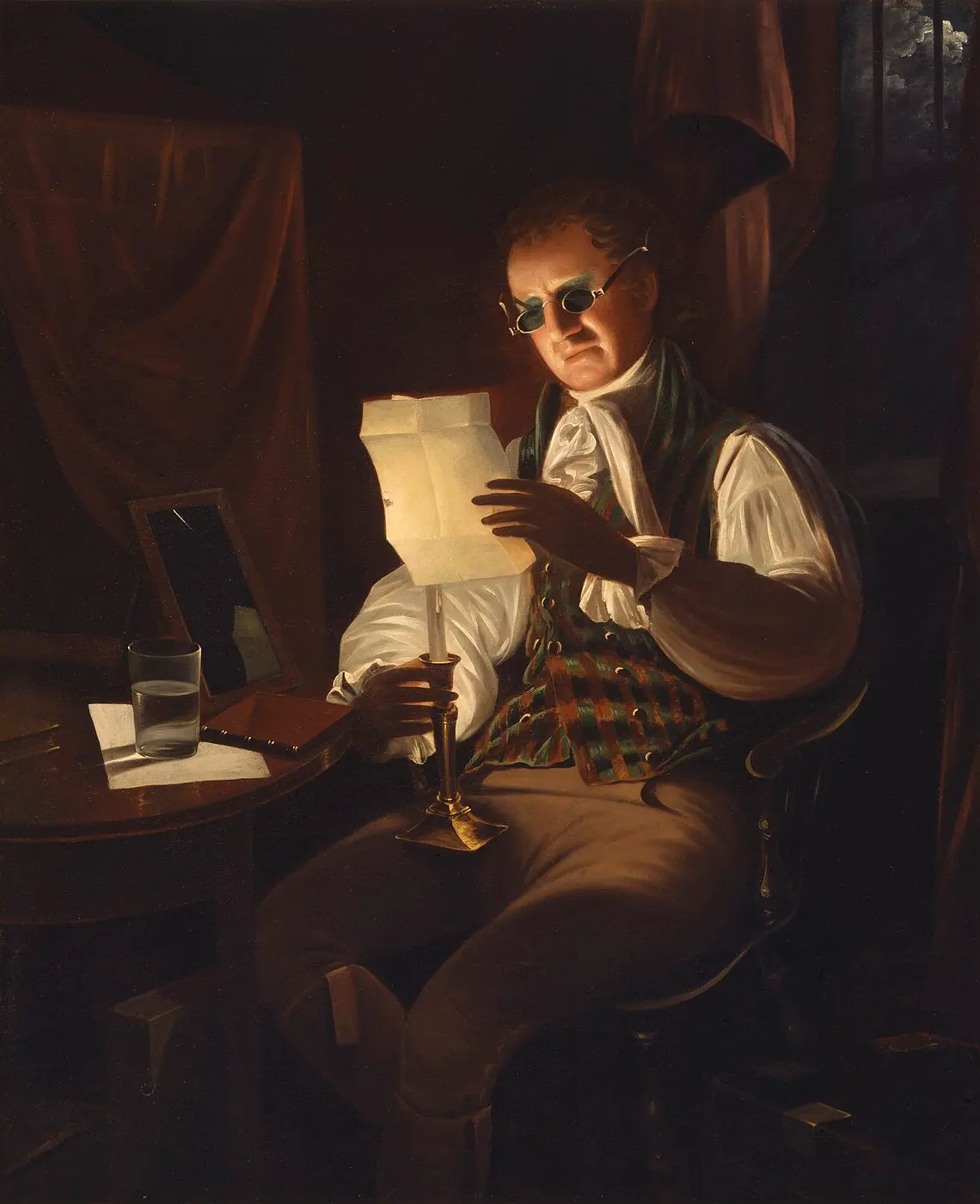
They also mentioned a review that had suggested reading in dim light, or holding books too close, might affect the growth of the eye and lead to nearsightedness. Its main evidence, though, was statistical: myopia, or nearsightedness, is more common among people with more years of schooling. Vreeman and Carroll pointed out that people once read by candles and lanterns, in far dimmer light than today, so the rise in myopia over the past few centuries can hardly be blamed on dark reading conditions.

Close-up work and time outdoors
Most myopia happens when the eyeball grows too long from front to back, so that light from distant objects comes into focus in front of the retina instead of on it. It tends to develop in childhood, and in parts of East and Southeast Asia it has reached epidemic levels.
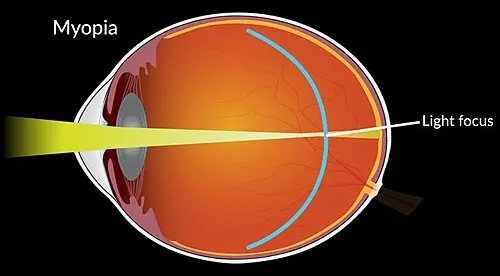

The Japan Ophthalmologists Association says that both genes and environment play a part, and that the environmental factors include less time spent outdoors and more time spent on close-up work. The key is less how bright the page is than how long children spend looking at things up close, and how little time they spend outside.
In the Sydney Myopia Study, published in 2008 by Kathryn Rose and her colleagues in Australia, 12-year-olds who spent more time outdoors were less likely to be nearsighted, even after taking close-up work into account. Time spent on indoor sports made no difference, which suggests that what matters is being outdoors rather than exercise as such.
Researchers in Guangzhou, China, went a step further. Starting in 2010, six primary schools added a 40-minute outdoor class to every school day for their first graders, while six others carried on as usual. The results, published in the Journal of the American Medical Association in 2015, showed that over three years, 30.4% of children at the outdoor schools became nearsighted, compared with 39.5% at the others.
Still, switch on the light
So is it fine for children to read in the dark? The Japan Ophthalmologists Association’s tips for preventing myopia include keeping the page well lit, at 200 lux or more on a light meter, holding books at least 30 cm (12 inches) from the eyes, looking into the distance every 30 minutes, and spending two hours a day outdoors. Even the shade of a tree or a building, it notes, is much brighter than a classroom, bright enough to help protect against myopia.
Nor is the question of dim light and myopia completely settled. In February 2026, a team at the State University of New York College of Optometry proposed a new hypothesis. When we focus on something close up, our pupils narrow to sharpen the image; in a dim room, that could sharply reduce the light reaching the retina and might help drive myopia. The researchers stress that this is not a final answer and that more work is needed.
A night of reading under the covers is very unlikely to damage anyone’s eyesight. But for children who read for hours every day, it makes sense to turn on the light, look up from the page now and then, and get outside. If your eyes feel tired for a long time or your vision seems off, see an eye doctor.