Why do your fingers go wrinkly in the bath?
Not just because they soak up water. Nerves tell the blood vessels in your fingertips to narrow, and the skin is pulled inward into folds.
Spend a long time in the bath or the pool, then glance at your hands, and the tips of your fingers have puckered into wavy ridges. English speakers call them “prune fingers,” after the wrinkled dried plum, and almost everyone knows the look.
The wrinkles appear only on hairless skin: the fingertips, the palms and the soles of the feet. The usual explanation is that the outer layer of skin soaks up water, swells, and has nowhere to go but into folds. Yet doctors have known for nearly a century that this can’t be the whole story.
No working nerve, no wrinkles
In the 1930s, physicians studying patients with a paralyzed nerve in the hand noticed something odd. The skin served by that nerve stayed smooth, no matter how long it sat in water.
If wrinkling were just skin swelling with water, it should happen whether the nerve worked or not. So the nerves had to be involved. Doctors later put the discovery to practical use: in 1973 a British medical journal described a test in which the hand is soaked in warm water and the pattern of wrinkling shows whether the nerves to each finger are working.
The nerves in question belong to the sympathetic nervous system, part of the autonomic system that runs things we don’t consciously control, such as heart rate and sweating.
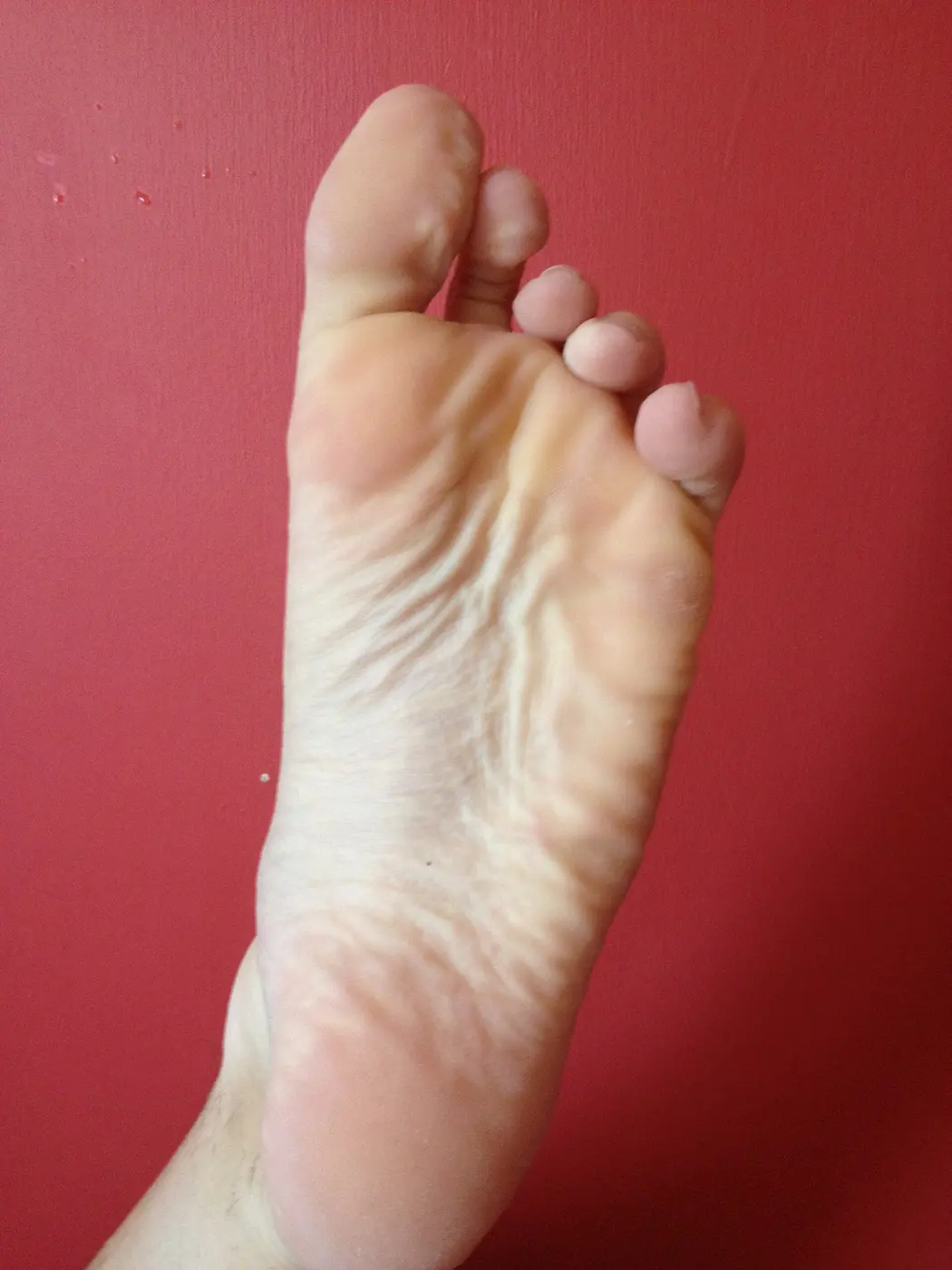

Shrinking blood vessels pull the skin in
So how do nerves make wrinkles? The clue turned out to be blood flow.
In 2003, researchers at National University Hospital in Singapore measured blood flow in the arteries of the arm and fingers while volunteers’ hands soaked. As the wrinkles formed, the blood slowed down, most sharply in the vessels of the fingers. The wrinkles, it turned out, come from blood vessels in the fingertips narrowing.
The researchers have proposed a chain of events. Fingertips and soles are dotted with sweat pores, and water seeps into the skin through them. That upsets the balance of salts in the skin, which sets the nerves firing, and the nerves tell the blood vessels to constrict. With less blood inside, the pad of the fingertip loses a little volume, and the skin on top is pulled inward and buckles into folds. The very first step, how water triggers the nerves, is still a hypothesis.
How quickly this happens varies a lot from person to person. When a Brazilian team tested 24 adults in 2025, clear wrinkles took anywhere from about 2 to 37 minutes to appear in room-temperature water. Warm water at 40°C (104°F) sped things up, while ice water and oil produced no wrinkles at all within 30 minutes. Wrinkling was also faster after a cup of coffee, and faster in the morning than at night.
Treads for wet weather?
If the body goes to the trouble of using nerves to make these wrinkles, perhaps they are good for something. Some researchers found a clue in car tires built for rain.
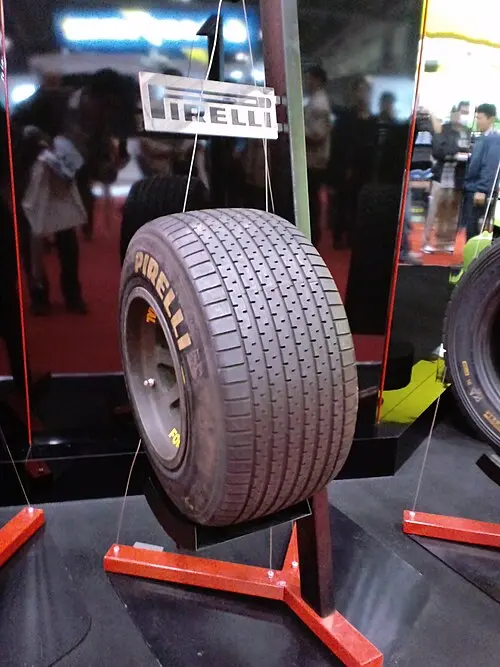
In 2011, Mark Changizi and colleagues at a US research institute reported that the wrinkle patterns on fingers look a lot like drainage networks, the branching channels that water carves as it runs downhill. Just as the grooves in a tire channel water away from the road, they suggested, finger wrinkles might drain water from between the fingertip and whatever it is touching, giving a better grip on wet things.
In 2013, a team at Newcastle University in the UK set out to test the idea. Twenty volunteers soaked their hands in 40°C water for 30 minutes, then moved 45 objects, glass marbles and lead fishing weights, out of water and into another container. With wrinkled fingers, they finished about 12 percent faster than with smooth ones. When the objects were dry, wrinkles made no difference.

The next year, though, a team at the Max Delbrück Center for Molecular Medicine in Berlin ran a similar test with 40 people and found that wrinkles did not help them handle wet objects, nor did they change how sensitive the fingers were to touch. The earlier result was not reproduced. Then in 2021 a researcher in the UK reported that with wrinkly fingers, people needed no more grip force to hold a wet object than a dry one. The results depend on how you measure, and whether the wrinkles really help remains an open question.