What is the “pon” in ponzu?
It comes from the Dutch word pons, the name of the drink punch. The “zu,” written with the character for vinegar, was chosen later to fit the sound.
As a dip for hot pots, a splash on grilled fish or fried chicken, or a dressing for cold tofu, ponzu is one of the most useful bottles in a Japanese kitchen. Its bright, sour citrus flavor cuts through rich food.
Look closely at the name, though, and it starts to seem odd. In Japanese it is usually written ポン酢: the katakana syllable pon, followed by the character for vinegar, read zu or su. The vinegar part makes sense. But what is a “pon”? It is not a sound, and there is no fruit called pon. In fact, the word did not start out as Japanese at all.
The dictionary says: Dutch
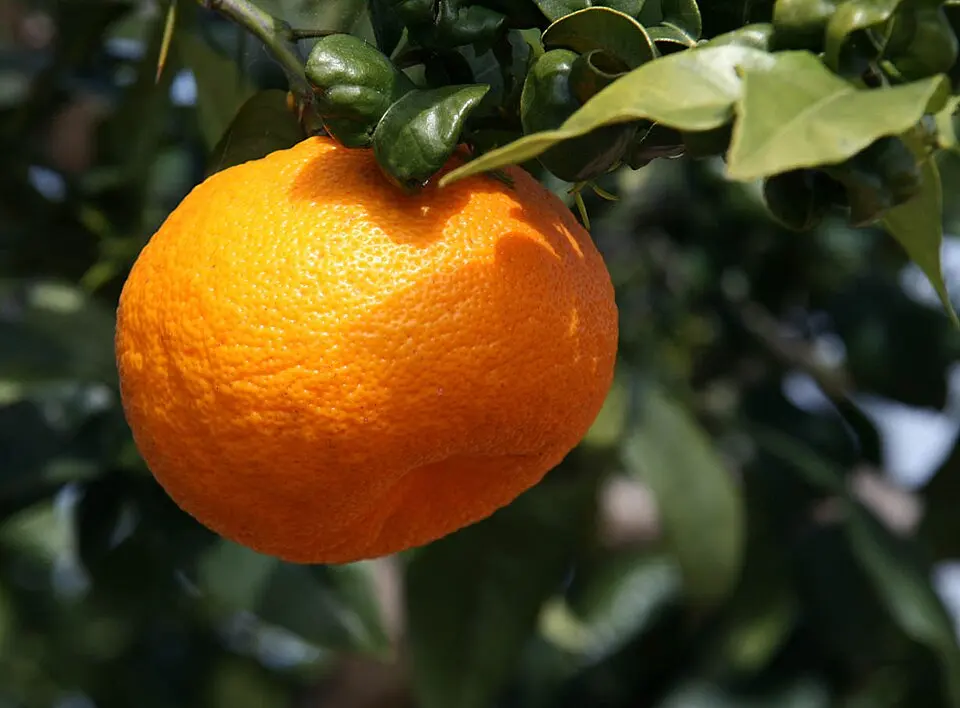
A Japanese dictionary gives the answer quickly. The Nihon Kokugo Daijiten, Japan’s largest dictionary, lists the word under ponsu and traces it to the Dutch word pons. It gives two meanings: the squeezed juice of the daidai, a bitter orange, and the drink otherwise known in Japanese as ponchi.
So ponzu was originally ponsu, a loanword. The Heibonsha World Encyclopedia calls the vinegar character an ateji, a character chosen for its sound. The final “su” of ponsu happened to sound like su, vinegar, which suited a sour seasoning perfectly. On its own, “pon” means nothing; ponsu was a single word.
During most of the Edo period (1603–1868), the Dutch were the only Europeans allowed to trade with Japan, through the small artificial island of Dejima in Nagasaki harbor. Many Dutch words entered Japanese by that route. The Japanese word for coffee, kōhī, is said to be one of them.

Originally, a drink
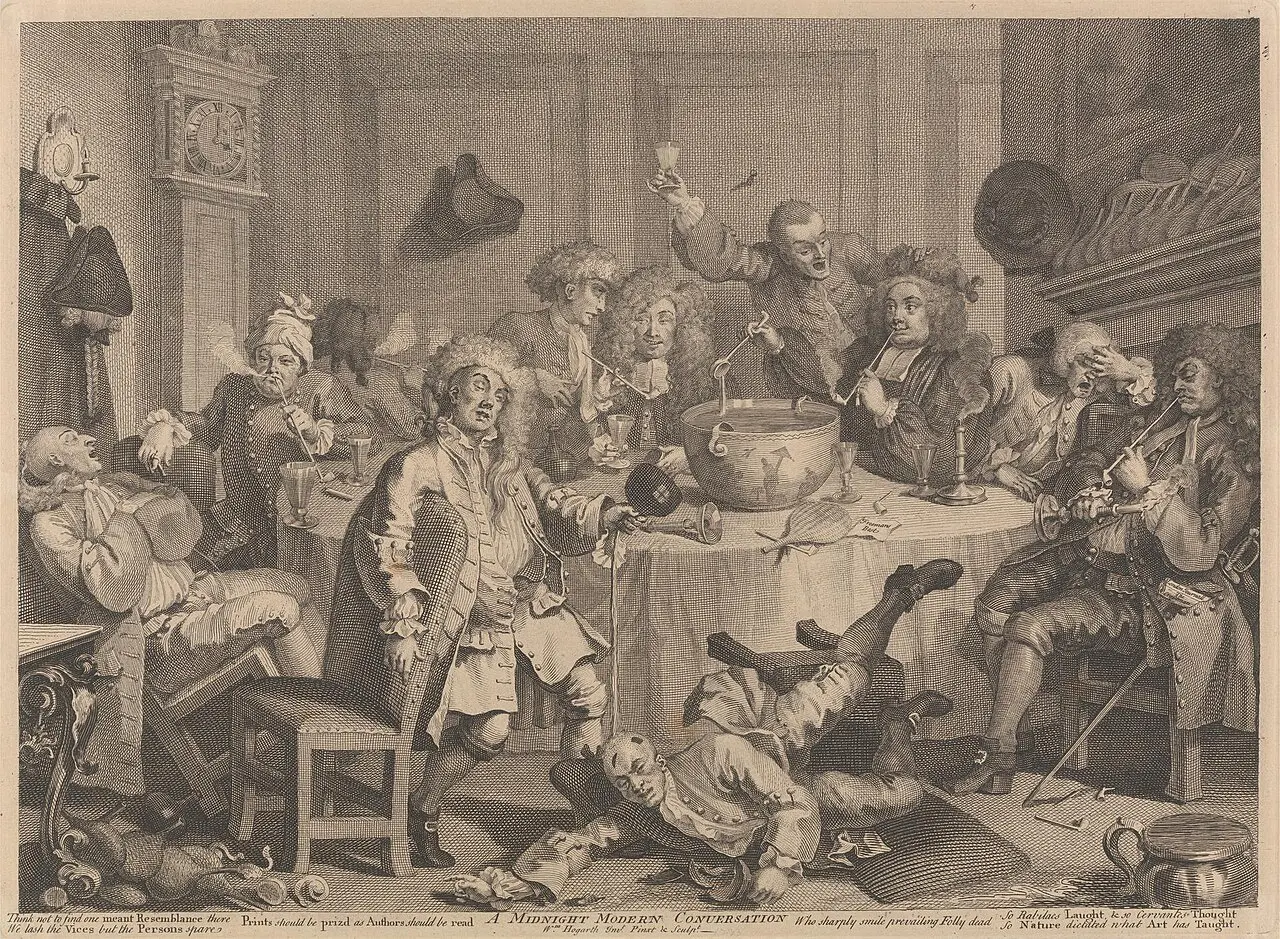
So what was Dutch pons? Not a juice, it turns out, but a drink: what English calls punch, a mix of spirits with fruit juice, sugar and spices.
Japanese writers knew about it by the late Edo period. An essay collection from 1799, Rinzatsuwa, says that “the Dutch drink is called ponsu” and even gives a recipe: one cup of distilled spirits, two cups of water, sugar to taste and a little nutmeg for fragrance.
The earliest example the Nihon Kokugo Daijiten gives for the meaning “bitter orange juice,” by contrast, is a newspaper from 1884. When and how the name of a drink became the name of a juice is not clearly recorded.
Five ingredients?
Punch is said to have come to England from India with employees of the East India Company, and from there to spread around Europe. The word punch already appears in English records in the first half of the 17th century.
The best-known explanation of the name links it to the Hindi word for “five,” pānch, because the drink was made from five ingredients: spirits, sugar, lemon, water and spice. Japanese encyclopedias repeat this story too.
But this explanation first appears clearly in A New Account of East India and Persia, a travel book by the English surgeon John Fryer published in 1698, and there is no firm evidence behind it. Another theory holds that punch is a shortening of puncheon, a large cask for shipping alcohol. Nobody really knows.

From drink to dipping sauce
In Japan, ponsu came to mean citrus juice. The Nipponica encyclopedia defines it as the squeezed juice of the daidai, used on its own or mixed with soy sauce as a dip for hot pots and grilled dishes. According to the World Encyclopedia, citrus juice such as daidai or sudachi seasoned with vinegar is also called ponzu. Strictly speaking, the version with soy sauce, which most people now buy, is ponzu shōyu, ponzu soy sauce.
Bottled ponzu soy sauce became a household staple in the second half of the 20th century. According to the vinegar maker Mizkan, its head at the time, Matazaemon Nakano VII, was inspired by the ponzu served with mizutaki, a chicken hot pot from Hakata in Fukuoka, and developed a seasoned ponzu in 1964. In 1967 it was renamed Ajipon-zu, and today it is sold as Ajipon. The “pon” in that familiar brand name, too, goes all the way back to a Dutch drink.