What does the “shoe” in Japan’s “shoe cream” mean?
Nothing to do with shoes. It is the French word *chou*, “cabbage,” because the puffed, knobbly pastry looks like a little cabbage. In English it is a cream puff.
A crisp, golden shell, split open and filled with custard. Cream puffs are one of the most popular sweets in Japan, sold everywhere from patisseries to convenience stores. The Japanese name for them is shu kurimu, and to an English speaker it sounds exactly like “shoe cream.”
So what is the “shoe”? It isn’t footwear. The answer, surprisingly, is a vegetable.
A cabbage filled with cream
The Japanese name comes from the French chou à la crème. The Nihon Kokugo Daijiten, Japan’s largest dictionary, glosses it as “a cabbage with cream inside.” Chou is French for cabbage: the round, puffed-up pastry, with its crinkled, cracked top, reminded someone of a tight little head of cabbage.
According to French dictionaries, chou was being used for this pastry by 1549. The word itself goes back to the Latin caulis, meaning a plant stem or a cabbage.
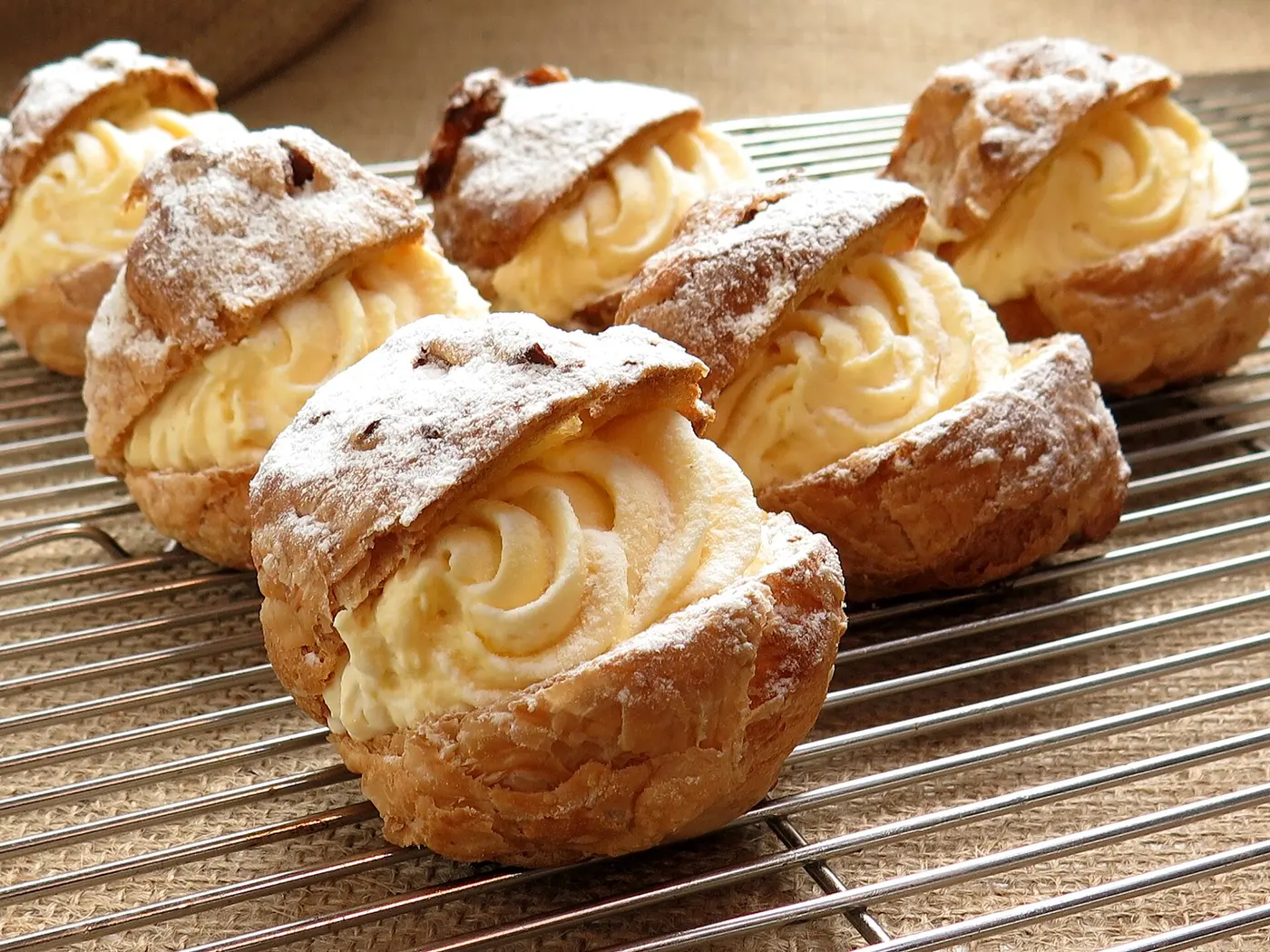

The Japanese name is a hybrid: French chou joined to kurimu, the Japanese pronunciation of the English word “cream.” In English-speaking countries the pastry is usually called a cream puff, and asking for “shoe cream” might get you something you rub on your boots. If you order one abroad, it pays to know the difference.
A dough that puffs with steam
The shell, called choux pastry, is made quite differently from cakes or bread. The renowned French-cuisine expert Shizuo Tsuji described the method in an entry for the Heibonsha World Encyclopedia. Bring water or milk to a boil with butter and a pinch of salt, take it off the heat, and stir in all the flour at once. Then beat in eggs one at a time to make a soft dough, pipe it into rounds, and bake at about 200°C (392°F) for 20 to 30 minutes. The pastry, he wrote, swells to about one and a half times its size.
There is no baking powder or yeast. Instead, the dough’s high water content turns to steam in the oven and inflates it from inside, leaving a large hollow. Cut a slit near the bottom of the baked shell, fill the hollow with cream, and it is done.
Choux pastry comes with a well-known origin story. Around 1540, the tale goes, it was created by pastry cooks whom Catherine de’ Medici brought with her from Italy when she married the future King Henry II of France. But there is no solid evidence for this, and it is generally regarded as a legend. In a 2003 paper, the food historian David Potter showed that recipes for what we would recognize as choux paste appear in English, German and French cookbooks in the 16th century.
A favorite in Meiji-era Tokyo
When did cream puffs reach Japan? According to the Shokuhin Sangyo Jiten, an encyclopedia of the food industry, a Frenchman named Samuel Pierre ran a hotel and a Western confectionery in the port of Yokohama in the last years of the Edo period (1603–1868), and appears to have made the kind of fresh Western-style pastries sold today. His apprentice Mitsuyasu Murakami opened a confectionery, Murakami Kaishindo, in Tokyo in 1874. Cream puffs probably arrived along with other Western sweets around this time, but we could find no reliable record of who made them first.
By the end of the Meiji era (1868–1912), though, Tokyoites clearly loved them. According to the bakery Shinjuku Nakamuraya, its founders, Aizo and Kokko Soma, were so impressed when they first tasted a cream puff that they decided to use the cream in place of the sweet bean paste in a bun. The result, launched in 1904, was the cream bun, or kurimu pan, still a bakery staple in Japan.
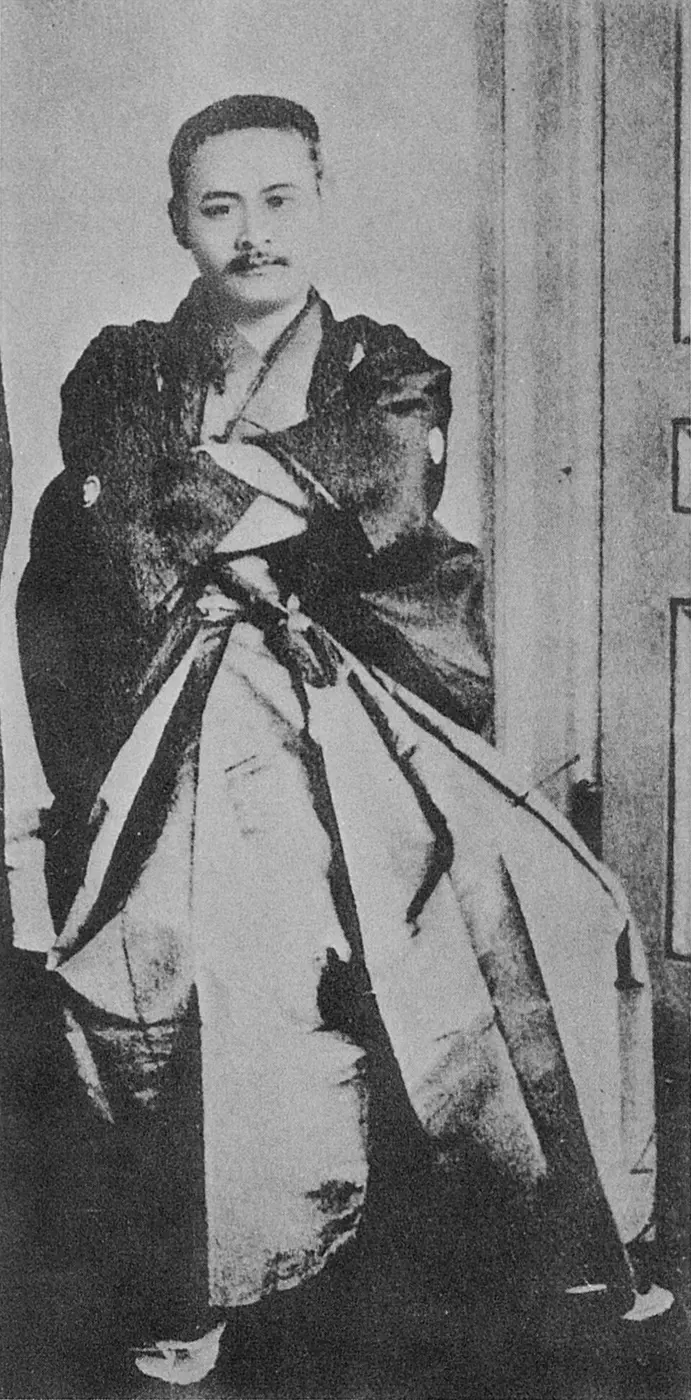

Cream puffs also appear in Futon (The Quilt), the 1907 novel by Katai Tayama that the Nihon Kokugo Daijiten cites as the earliest known use of the word. A gift is unwrapped to reveal cream puffs, the older sister’s great favorite, and someone cries out in delight, “Oh, these are delicious!” A pastry named after a cabbage had already become a treat in Tokyo homes.