Do plants talk to each other?
In a sense. A plant under attack releases airborne chemicals, and neighbors that pick them up can boost their defenses. But it looks less like conversation than eavesdropping.
Trees, we are often told, are linked by an underground network through which they share food and warn one another of danger. The idea has become a staple of bestsellers and nature documentaries. If plants really are chatting, the forest is a noisier place than it looks.
Plants have no mouths and no ears. Even so, many experiments have shown that a plant being eaten by insects releases chemicals into the air, and that nearby plants can pick them up and strengthen their defenses. The underground network is another matter: some researchers say the stories have run well ahead of the evidence.
The “talking trees” of 1983
The story begins in 1983. David Rhoades of the University of Washington was feeding caterpillars on willow trees. Caterpillars given leaves from attacked trees grew poorly, as expected. But caterpillars fed leaves from undamaged willows growing near the attacked ones grew poorly too. Rhoades concluded that the untouched trees were picking up some kind of signal from their neighbors.
That same year, Ian Baldwin and Jack Schultz of Dartmouth College published a paper in Science. When they tore about 7 percent of the leaf area from potted poplar saplings, the leaves’ levels of phenolic compounds, which make them less palatable to insects, rose within 52 hours. Strikingly, undamaged saplings sharing the same enclosure showed the same change. With sugar maple seedlings, undamaged neighbors had more phenolics and tannins within 36 hours.
The press seized on the idea of “talking trees.” Richard Karban, an ecologist at the University of California, Davis, who would later become a leader in the field, recalled in a 2013 interview with Quanta Magazine: “The popular press went wild with this.”
A fall from favor, and a comeback
Criticism came quickly. In 1985, the British ecologists Simon Fowler and John Lawton published a paper in The American Naturalist arguing “the devil’s advocate position,” pointing to problems such as a lack of true replication. Research on plant communication went quiet. According to Quanta, Rhoades could not get funding to repeat his studies and eventually left science to run a bed and breakfast.
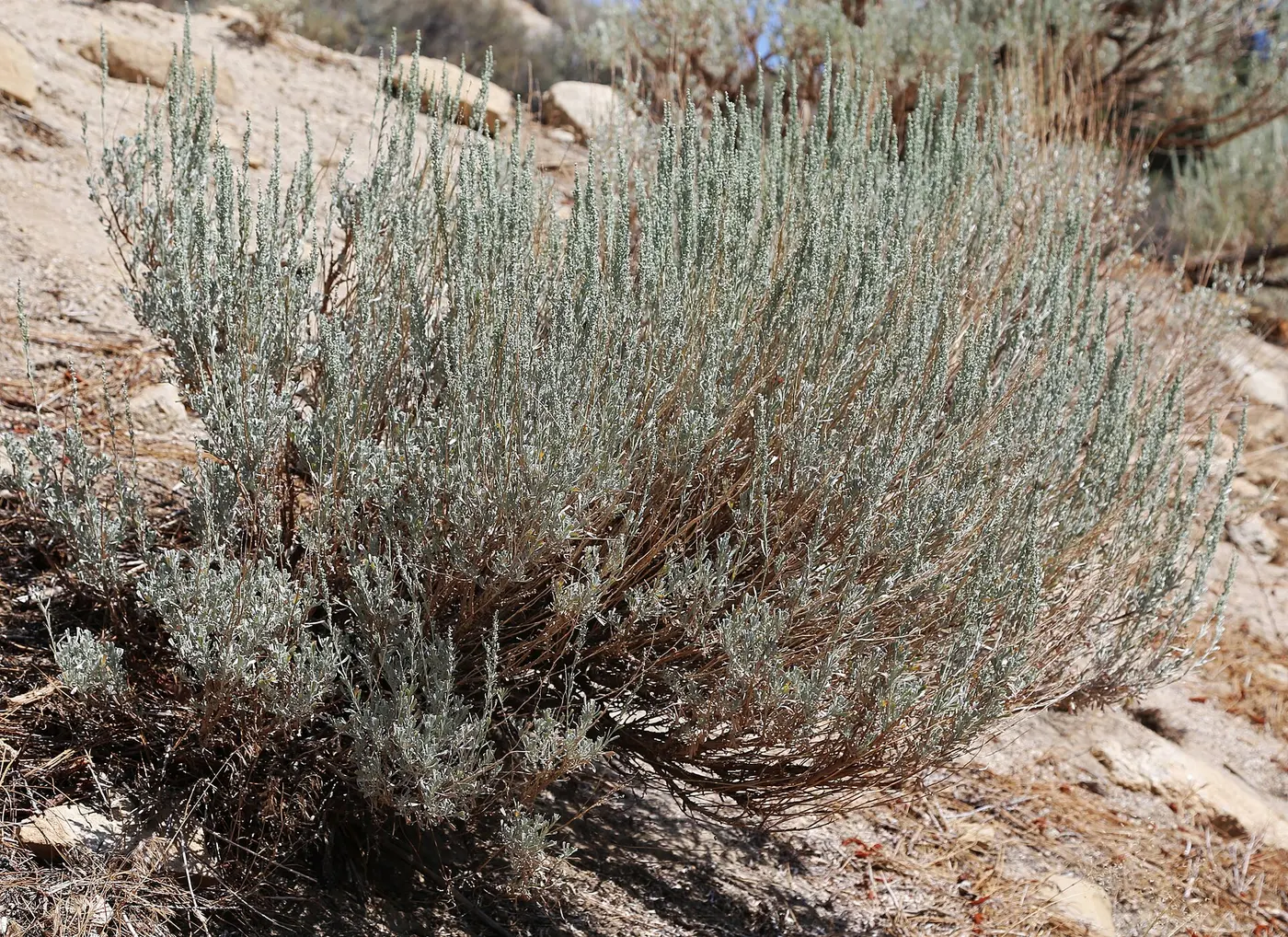

The comeback began with sagebrush. In 1990, a team at Washington State University reported that when damaged sagebrush was sealed in jars with tomato plants, the tomatoes began producing compounds that interfere with insect digestion. Karban took the experiment outdoors. In northern California, he clipped sagebrush to imitate insect damage, and nearby wild tobacco plants ramped up a defensive enzyme. By the end of the season, they had suffered much less leaf damage from grasshoppers and cutworms. Karban cautioned, though, that it was hard to say for certain that the airborne chemicals were directly responsible.
Later, Karban and the Japanese ecologist Kaori Shiojiri found that sagebrush responds more effectively to cues from its own clones and close relatives. By Karban’s count in 2013, 40 of 48 studies of plant communication had found that receiving plants detect the airborne cues and step up their defenses.
Calling in the bodyguards
Plant odors can also summon the enemies of the attackers. In 1990, Ted Turlings and his colleagues reported in Science that corn seedlings chewed by caterpillars release large amounts of volatile compounds, and that a parasitic wasp, which lays its eggs inside caterpillars, learns to use those scents to find its prey. Artificially damaged seedlings released little of the odor unless the caterpillars’ oral secretions were applied to the wounds. The plants could tell a simple cut from an insect attack.
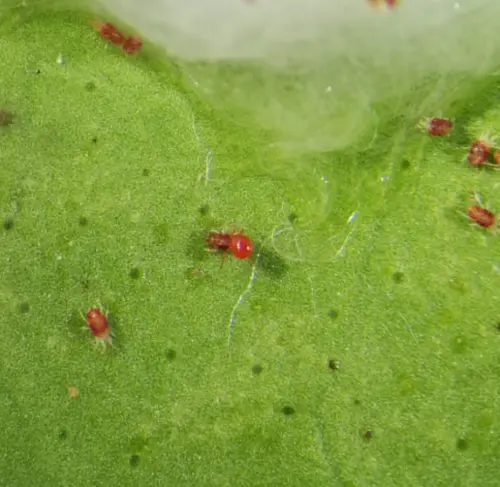

In 2000, a Japanese team including Gen-ichiro Arimura and Junji Takabayashi reported in Nature that when undamaged lima bean leaves were exposed to the odor of leaves infested with spider mites, five defense genes switched on. Odor from leaves that had simply been wounded had no such effect.
The “wood wide web”
What about underground? In 1997, Suzanne Simard of Canada and her colleagues reported in Nature that carbon was moving between paper birch and Douglas fir trees in a forest, through the mycorrhizal fungi that grow on their roots. The fungal network linking trees came to be nicknamed the “wood wide web,” and the idea spread along with stories of “mother trees” nurturing their young.
In 2023, a paper in Nature Ecology & Evolution pushed back. Its authors concluded that the claims that these networks are widespread in forests and that they move resources to help seedlings are insufficiently supported, and that the claim that mature trees preferentially send resources and defense signals to their offspring has no peer-reviewed, published evidence. One of the authors, Melanie Jones, had been a coauthor of the 1997 paper.
That plants use airborne cues to defend themselves is well established. Whether the damaged plant is actually trying to warn its neighbors is another question. In 2003, Karban and his colleagues titled a paper on sagebrush and wild tobacco “evidence for eavesdropping between plants.” If plants are talking, the cleverness may lie mostly with the listeners.