Is Japan’s kudzu really “the vine that ate the South”?
That’s its nickname. After the US government planted it on a huge scale to fight soil erosion, kudzu ran wild across the South, but its spread has been greatly exaggerated.
85 million
In Japan, kudzu is an ordinary sight on hillsides and roadsides. It is one of the “seven flowers of autumn” celebrated in Japanese poetry since ancient times. Starch from its roots, called kuzuko, thickens sauces and sweets, and the dried root, kakkon, is used in traditional herbal medicine to bring down fevers.
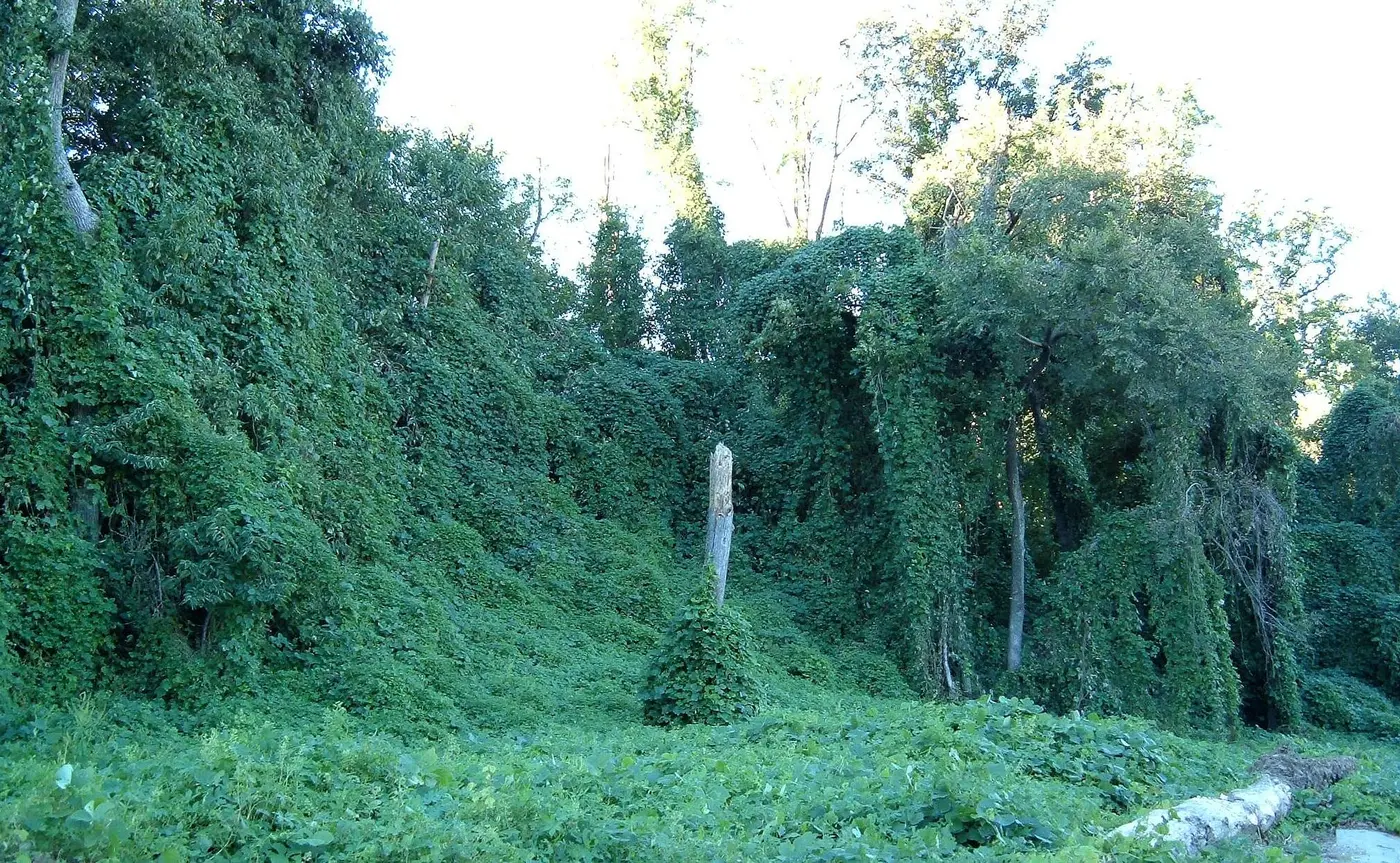
In the American South, the same plant goes by a far more sinister title: “the vine that ate the South.” The name comes from the way it smothers trees and utility poles under a thick green blanket.
A debut at the world’s fair
Kudzu was introduced to the United States at the 1876 Centennial Exposition in Philadelphia, held to mark the hundredth anniversary of American independence. According to JSTOR Daily, the online magazine of the academic database JSTOR, it was part of the Japanese government’s exhibit and caught the eye of American gardeners. Southerners later planted it as an ornamental vine to shade their porches.
In the early 20th century, C. E. Pleas of Florida experimented with kudzu as livestock feed. Even so, only about 10,000 acres (4,000 hectares) had been planted nationwide by 1934.
Planted by the millions
What changed everything was soil erosion. Years of cotton farming and other cultivation had worn out land across the South, and every heavy rain washed away more topsoil. After the Soil Erosion Service, later the Soil Conservation Service, was set up in 1933, kudzu, with its deep roots and dense ground cover, looked like the perfect plant to hold the land in place.
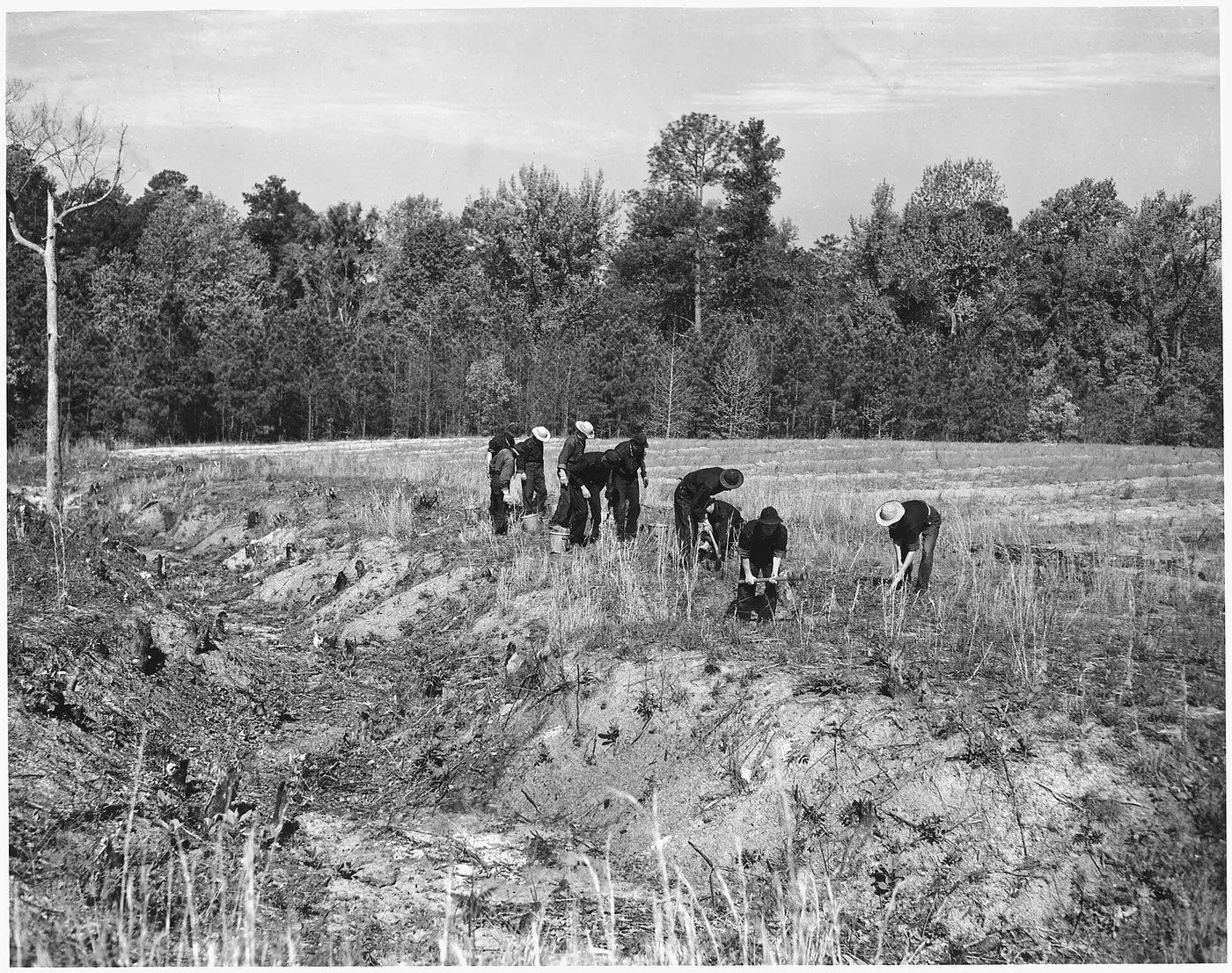
According to JSTOR Daily, between 1935 and 1942 federal nurseries handed out more than 85 million kudzu seedlings to Southern landowners, and the government paid up to $8 an acre to plant them. Young men of the Civilian Conservation Corps, a Depression-era jobs program, planted it along cleared roadsides. At an experiment station in Watkinsville, Georgia, land planted in kudzu was found to have “nearly 80 percent less water runoff and over 99 percent less soil loss” than land under cotton.
Channing Cope, a Georgia journalist and radio host, hailed kudzu as the South’s economic savior and founded the Kudzu Club of America to promote it.

From savior to pest
In the warm, humid South, though, kudzu began to grow out of control. In 1953 the US Department of Agriculture dropped it from the list of cover plants eligible for support, and by the early 1970s it was classed as a common weed in the South. In the late 1990s it was added to the federal noxious weed list, which restricts moving it across state lines.
Did it really eat the South?
Stories about kudzu tend to come with startling numbers: it grows a foot (30 centimeters) a day, it covers 7 to 9 million acres (2.8 to 3.6 million hectares), it spreads across another 150,000 acres every year.
The naturalist Bill Finch challenged those claims in a 2015 article in Smithsonian magazine titled “The True Story of Kudzu, the Vine That Never Truly Ate the South.” According to US Forest Service data, kudzu occupies about 227,000 acres (92,000 hectares) of forest and spreads by only about 2,500 acres (1,000 hectares) a year. Finch points out that kudzu grows most aggressively along roads, railways and the edges of forests, exactly where people are most likely to see it, which makes it look far more widespread than it is.

None of this makes kudzu harmless. But “the vine that ate the South” seems to have been quite an overstatement.