When was the plastic PET bottle invented?
Nathaniel Wyeth patented it in the US in 1973. In Japan, it first appeared in 1977 as a soy sauce bottle.
1973
Tea, water and fizzy drinks lined up in a convenience store fridge: in Japan, nearly all of them come in plastic PET bottles, which the Japanese simply call petto botoru. They are light, hard to break if dropped, and with the cap screwed on they go straight into a bag. Few containers are more woven into everyday life.
Yet drinks have not been sold in PET bottles in Japan for all that long. When, and how, was this container born?
The material was born in Britain in 1941
PET stands for polyethylene terephthalate, a kind of plastic. It was patented in 1941 by John Rex Whinfield and James Tennant Dickson, who worked for a company in Manchester, England.
At first it was used not for bottles but for fibers. Polyester fibers made from PET went into production in Britain in the 1940s and at DuPont in the United States in 1950. Even today, more than 60 percent of the world’s PET is spun into fibers for clothing and other textiles.
Ginger ale in a detergent bottle
The person who turned PET into a bottle was Nathaniel Wyeth, an engineer at DuPont.
In 1967, Wyeth wondered why carbonated drinks were not sold in plastic containers. So he bought a plastic bottle of detergent, replaced the soap with ginger ale and put it in the refrigerator. By the next morning, the bottle had ballooned from the pressure of the gas. Ordinary plastic simply could not stand up to the fizz.
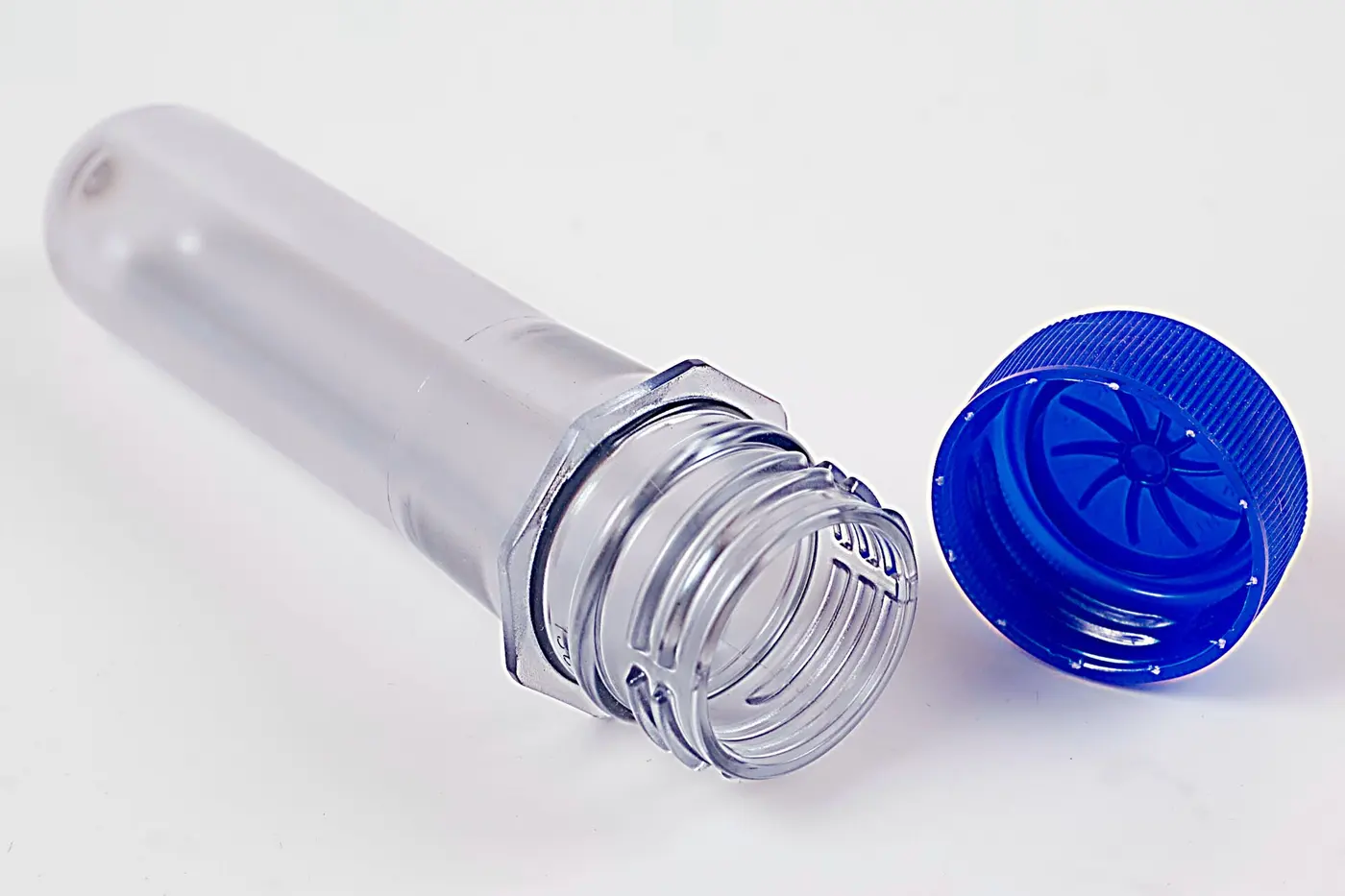

Wyeth seized on a property of plastics: when they are stretched, their molecules line up and the material becomes stronger. Stretch a bottle in both directions as it is blown into shape, and even a thin wall should be tough. After trying a number of materials, he found that PET made a bottle that was clear, light and able to hold the pressure. In 1973 Wyeth received a patent for a “biaxially oriented” PET bottle, and the following year PET bottles began to be used for carbonated drinks in the United States.
In Japan, it started with soy sauce
Surprisingly, the first PET bottle in Japan held not a drink but soy sauce. In 1977 the food company Kikkoman adopted a 500-milliliter PET bottle for its soy sauce. Until then soy sauce had come in glass bottles, which were heavy and breakable.
PET bottles were cleared for drinks in 1982, when Japan revised its food sanitation standards to allow them for soft drinks. But amid concerns about littering and growing waste, the drinks industry voluntarily held off on selling PET bottles smaller than 1 liter.
That self-imposed restriction was lifted in 1996. A packaging recycling law had been passed the year before, and a collection system was taking shape. From then on, 500-milliliter bottles spread rapidly, and carrying a drink around became an everyday habit.
From trash to resource
In 1997 Japan’s packaging recycling law was extended to PET bottles, and sorted collection by local governments got going in earnest. In fiscal 2024, about 28.7 billion PET bottles were sold in Japan, and the recycling rate reached 85.1 percent.
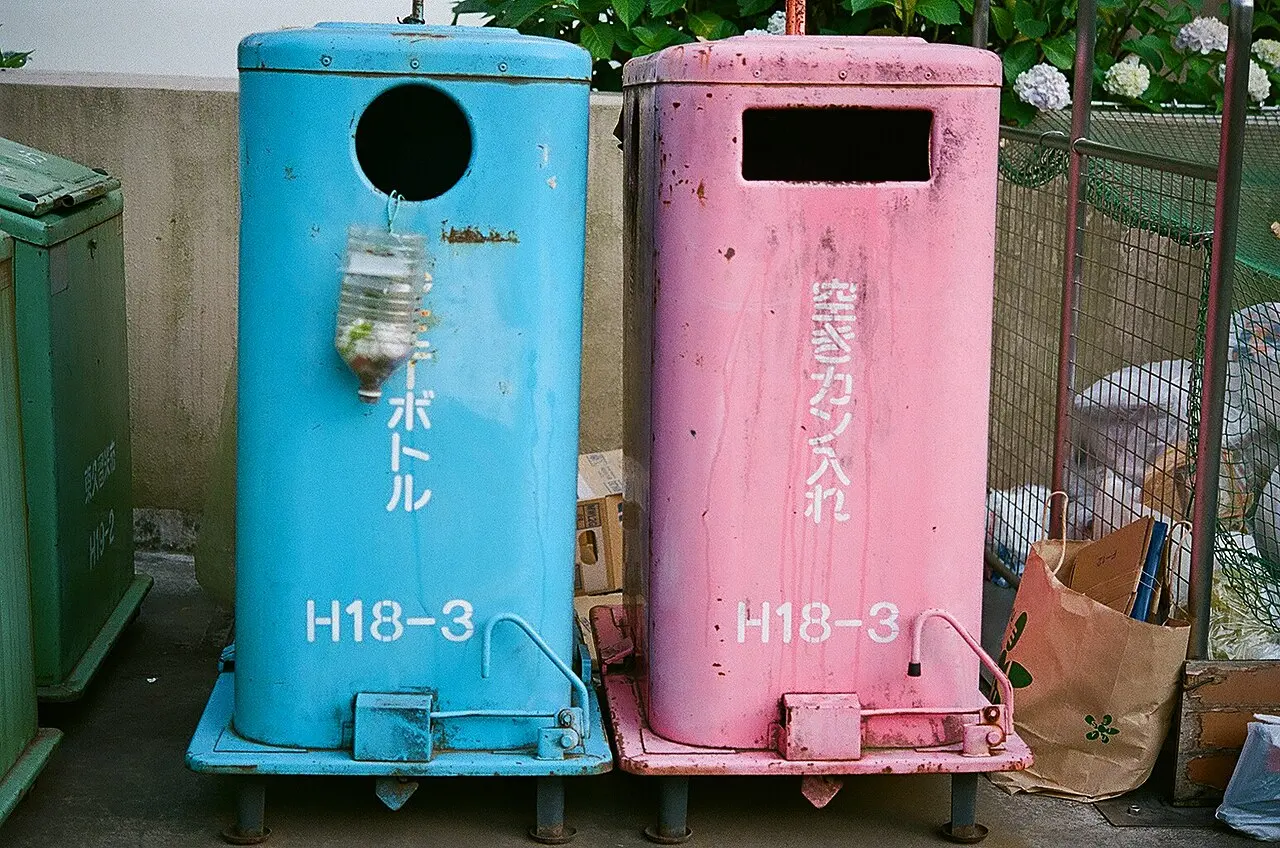

Collected bottles are shredded, washed and turned into fibers for uniforms and carpets, egg cartons and other products. Since the 2000s, used bottles have also been made back into new drink bottles, known in Japan as “bottle to bottle” recycling. PET, which began life as a fiber, now travels through the bottle stage and back into fibers and bottles again.