What is the coldest place where people live?
The village of Oymyakon in Siberia, Russia. It recorded −67.7°C in 1933 and is regarded as the coldest permanently inhabited place on Earth.
−67.7°C
The lowest temperature ever measured in Japan is −41.0°C (−41.8°F), recorded in Asahikawa on the northern island of Hokkaido on January 25, 1902. That is cold enough to make you shiver just thinking about it. But somewhere in the world, people live year-round in a village that gets far colder.
That place is Oymyakon, a village in the Sakha Republic, also known as Yakutia, in eastern Siberia, Russia. Getting there takes two days by road from Yakutsk, the regional capital. Yakutsk itself, a city of about 270,000, is often called the coldest city on Earth; in January 2018, temperatures there dropped below −50°C.
A record of −67.7°C
According to Guinness World Records, Oymyakon recorded −67.7°C (−90°F) on February 6, 1933, the lowest temperature ever measured in a permanently inhabited place. In January, the average daily temperature is about −46.4°C (−51.5°F). The village has a population of around 500 (2018 estimate).
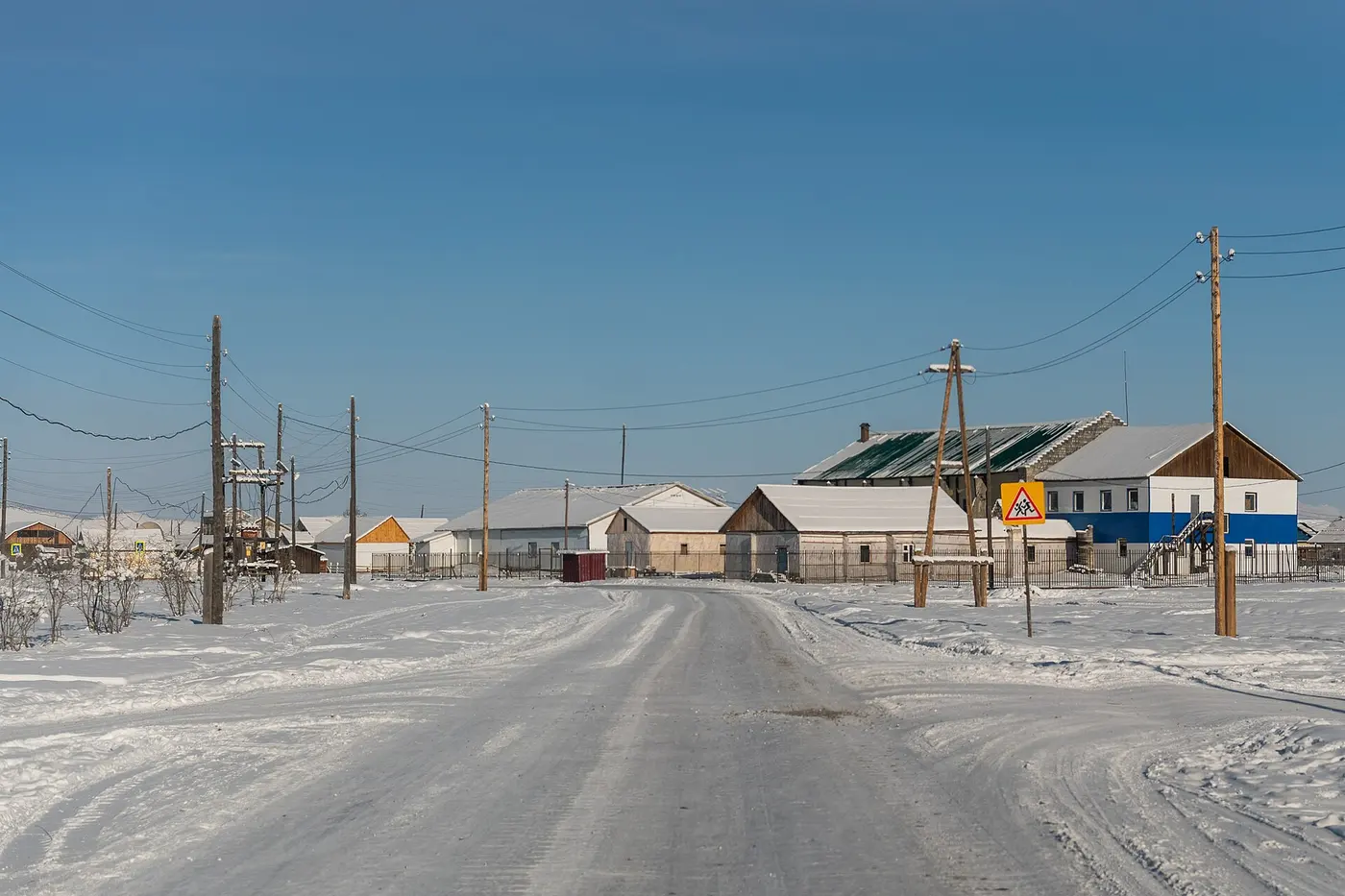

Oymyakon has a rival for the title: the town of Verkhoyansk, to its northwest. The World Meteorological Organization (WMO) has also accepted −67.8°C, recorded in Verkhoyansk in February 1892, as the Northern Hemisphere’s lowest temperature. But the thermometers used back then were spirit thermometers that needed correction, so some doubt the figure. The WMO’s records note that since the 1930s Oymyakon has been colder than Verkhoyansk almost every winter, and that most Russian climatologists consider Oymyakon the coldest place in the Northern Hemisphere.
In 2020, the WMO recognized a new Northern Hemisphere record: −69.6°C, measured in December 1991 by an automatic weather station high on the Greenland ice sheet. Nobody lives up there, though, so Oymyakon keeps its claim as the coldest place where people actually make their homes.
Why is it so cold?
Several factors stack up. According to Scientific American, Oymyakon lies deep in the interior of the Eurasian continent, far from any ocean that could temper its climate. Long winter nights and a thick blanket of snow help heat escape.
In winter, Siberia also sits under high pressure, which keeps clouds from forming and winds light day after day, so heat from the ground radiates freely into the clear night sky. On top of that, Oymyakon lies in a valley ringed by mountains. Cold air is denser than warm air, so air that has cooled on the surrounding slopes flows downhill and pools at the bottom of the valley. The village sits, in effect, at the bottom of a lake of cold air.
Life at −50°C
How do people live in a place like this?
According to photographer Amos Chapple, whose pictures were published by Radio Free Europe/Radio Liberty, the village heating plant runs day and night, pumping hot water through the pipes that serve the village. The ground, meanwhile, is permafrost, permanently frozen and prone to shifting, which makes underground plumbing impractical, so toilets are simple outdoor pits.
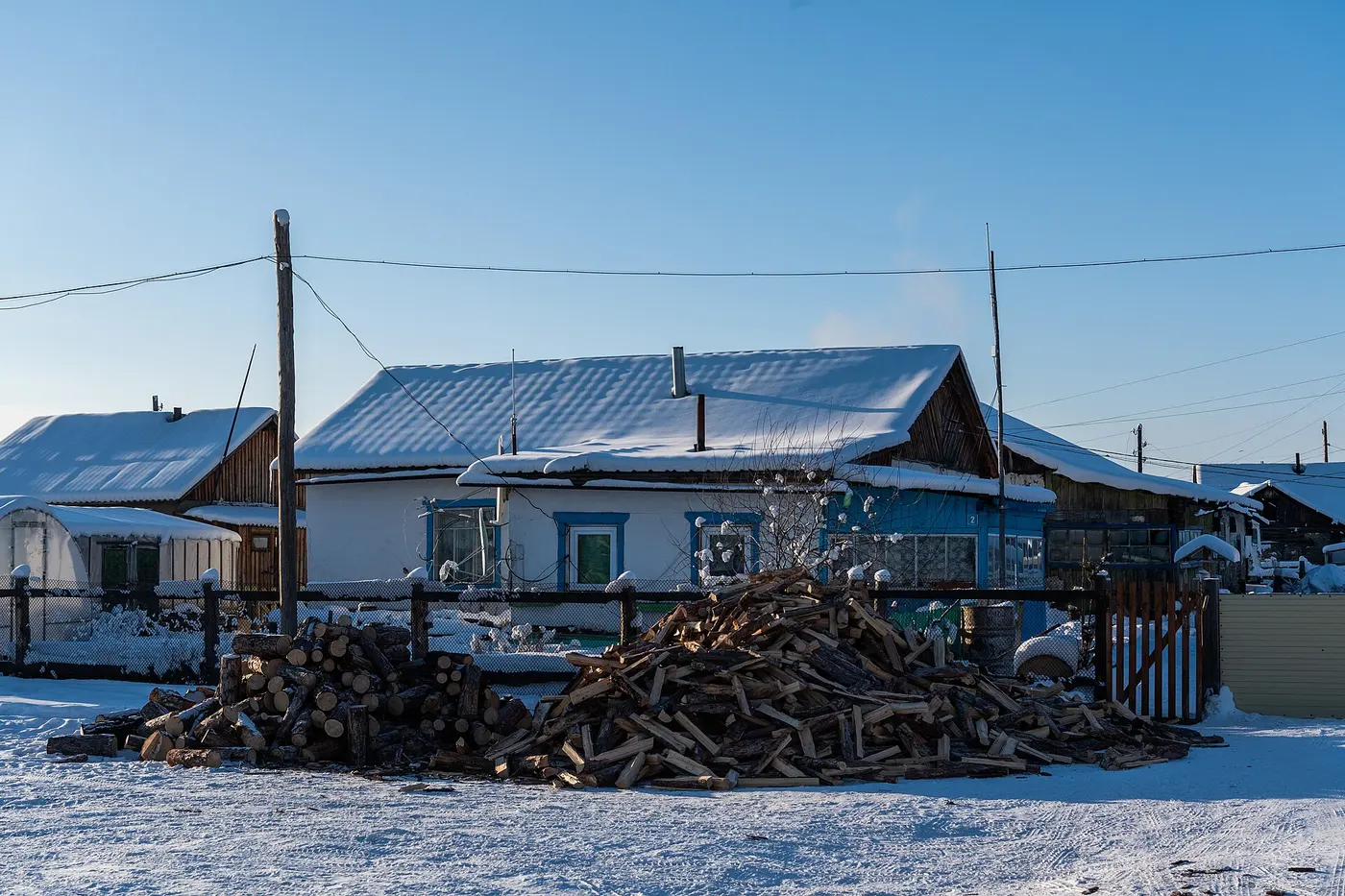

A bit of cold doesn’t close the school, either. Scientific American reported that the village’s only school shuts only when the temperature falls below about −52°C (−61.6°F).
A gap of 26 degrees
Asahikawa’s −41.0°C, mentioned at the start, still stands as Japan’s record low. That January of 1902, a fierce mass of cold air gripped northern Japan. On January 23 of the same month, an army unit on a winter training march in the Hakkoda Mountains of Aomori Prefecture was caught in a brutal storm, and 199 of its 210 soldiers died.
Oymyakon’s record is 26.7 degrees colder still.