Where does “yaochō,” the Japanese word for a fixed match, come from?
It is traced to a greengrocer nicknamed Yaochō who played go with a sumo elder in the late 19th century. But the story rests on a single book from 1902 and cannot be verified.
When the winner of a contest has been arranged in advance and the competitors only pretend to fight it out, Japanese calls it yaochō. The word also covers any kind of collusion behind a show of real disagreement.
Japanese speakers often hear that yaochō started out as the nickname of a greengrocer in the Meiji era (1868–1912), and the dictionaries say so too. But the book usually cited as the source tells a somewhat different story.
What the dictionaries say
According to the Digital Daijisen dictionary, a greengrocer named Chōbei, known as Yaochō, used to visit the sumo association of the day, the forerunner of today’s Japan Sumo Association. Yaochō is short for “Chō the greengrocer.” When he played go with a certain sumo elder, he held back so that their games always came out one win apiece. The Nihon Kokugo Daijiten, Japan’s largest dictionary, tells it the same way: he was good enough to win, but cleverly kept things even. Both dictionaries end the explanation with “it is said,” presenting it as a story rather than a fact.
The earliest example of the word in the Nihon Kokugo Daijiten comes from the newspaper Yorozu Chōhō of April 5, 1906, which speaks of a bout being shown to be yaochō. By the end of the Meiji era, in other words, the word for a rigged contest was familiar enough to appear in the press.
A sumo book from 1902
The best-known early source for the story is Nihon Sumō Den (“A History of Japanese Sumo”), compiled by Yarita Tokunosuke and published in 1902. It can still be read online in the National Diet Library’s digital collections.
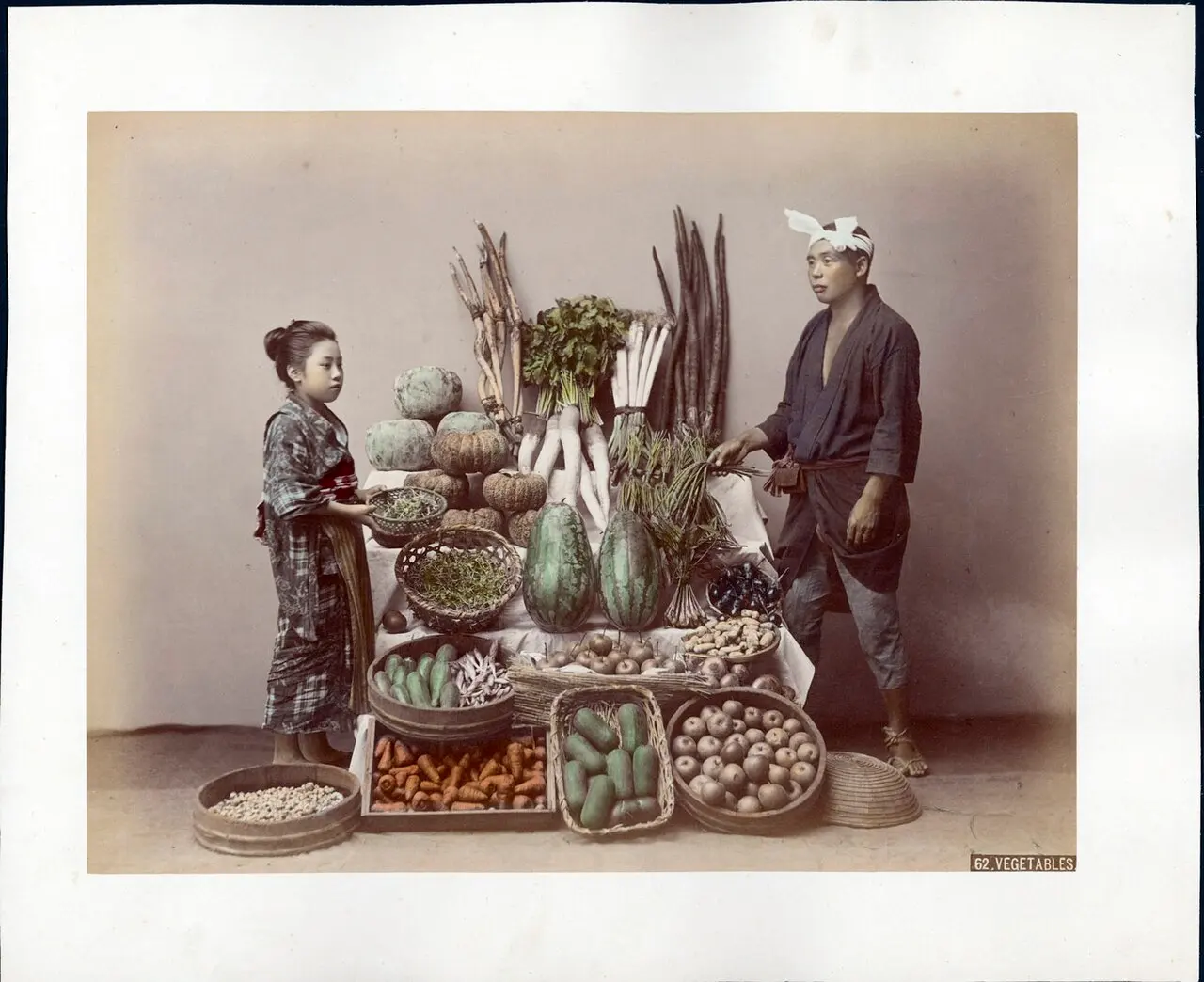
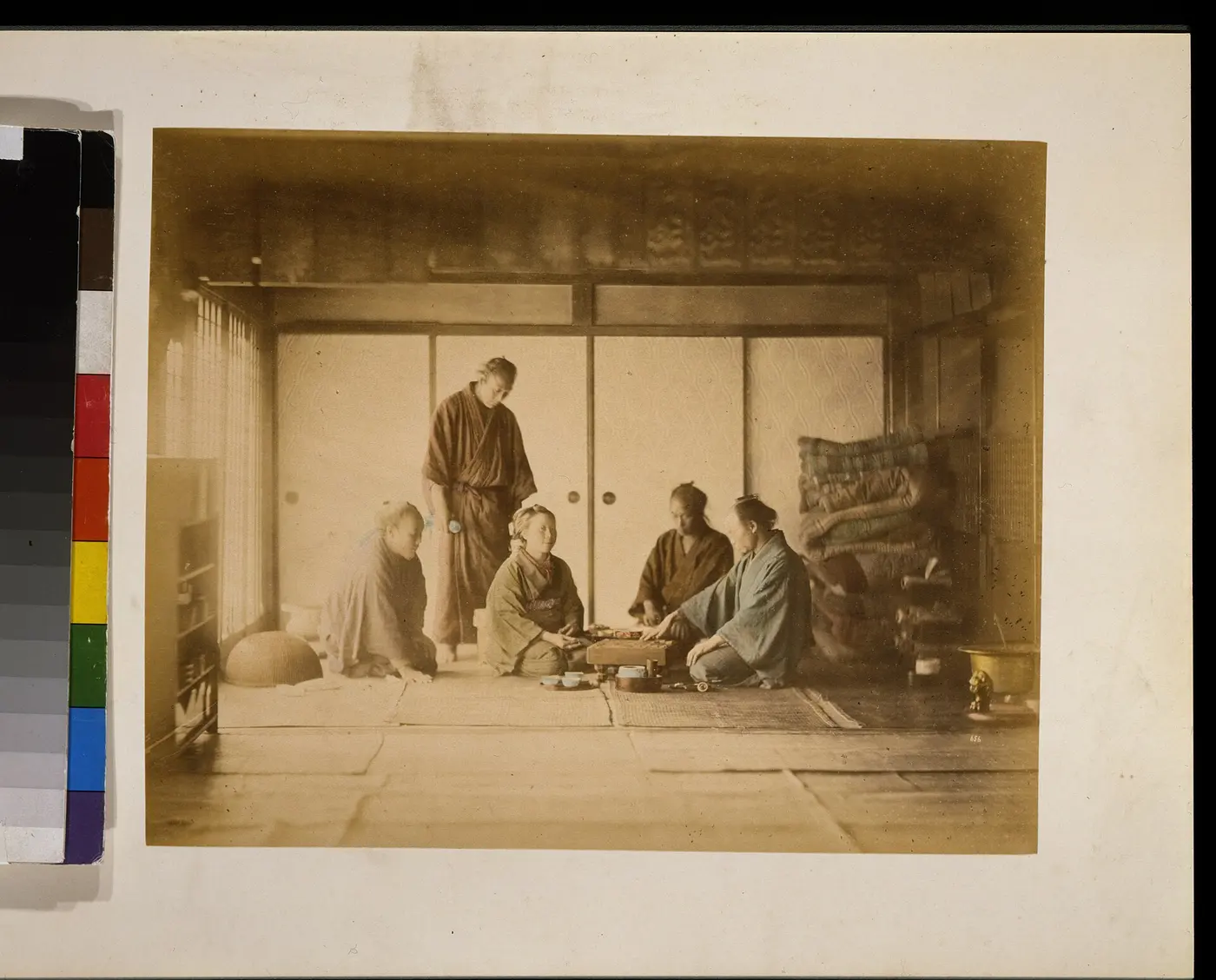
The book’s version centers on a sumo elder, one of the retired wrestlers who run the sport, whom it calls “the former Isenoumi Godayū.” He loved go far more than he was good at it, and spent his retirement inviting friends over to play. In the early Meiji years, a vegetable peddler known as Yaochō often came by the house. Hinting that he knew a little about the game, he would play the elder whenever he had time. They played without handicap and were neck and neck, and Isenoumi grew very fond of his perfect rival.
One day Yaochō complained that selling vegetables was hard work for a man getting on in years. Isenoumi told him that a sumo teahouse called Shimaya was up for sale. Run it during the two tournaments a year, he said, and you can take it easy the rest of the time; I’ll help with the money. Yaochō bought it, and according to the book his teahouse was still thriving under the name Shimachō.

Five stones from a master
Then a go club opened right across the street from Isenoumi’s house. One day Isenoumi saw a master of the Hon’inbō school, the leading house of go, giving Yaochō a teaching game, and noticed that Yaochō played nothing like he did at home. Asked how many handicap stones he had been given, Yaochō answered: five.

Isenoumi did the math and stormed home. Anyone who could take on the Hon’inbō master with only five stones had to be at least first-dan strength. That scoundrel Yaochō, he raged, had been making a fool of him for years. He told the story to his fellow elders and even to the wealthy patrons of sumo, and it quickly became the talk of the sumo world.
There is no “one win apiece” in this version. The man the book describes simply hid his real strength to look like an equal, and it never spells out why.
Originally, a word for bribes
The bigger surprise is the heading of the passage: “Yaochō is a byword for bribes in the sumo world.”
According to the book, Isenoumi later sold tour performances to promoters who came to Tokyo from the provinces, and found himself paying them money on the side, under labels such as travel expenses. Complaining to the other elders, he would say that the price for a deal had been decent, but he had had to hand over so much yaochō that it hardly paid. That is how yaochō came to stand for a bribe, the book says, and by 1902 everyone in sumo knew it.
So in 1902, yaochō was presented first as a word for money changing hands under the table. Four years later, a newspaper was using it in something close to its modern sense of a rigged bout. The book cannot settle the details, however. It was written some 30 years after the events, it does not say which holder of the Isenoumi name was involved, and it never gives Yaochō’s real name: he is only Yaochō, Shimachō or Chō-san. The name Chōbei and the careful one-win-each games may have been added as the story was retold.