Why does the whole world say “tsunami”?
The Japanese word entered English in reports of Japan’s 1896 Sanriku disaster. Scientists later adopted it because the usual English term, “tidal wave,” wrongly linked these waves to the tides.
After a major earthquake, the same word turns up in news reports all over the world. English, French and Spanish all spell it the same way: tsunami. The Japanese encyclopedia Nipponica notes that the Japanese term has become the international one.
Yet English already had a name for the giant waves that follow earthquakes. So why did it end up borrowing a Japanese word?
A wave in the harbor
The tsu in tsunami means “harbor,” and nami means “wave.” According to Nipponica, the name arose because these waves can pass unnoticed beneath fishing boats out at sea, then swell to extraordinary heights once they enter a harbor or bay. Heibonsha’s World Encyclopedia describes it as a “wave” that suddenly brings terrible disaster to a normally calm “harbor.”
The word itself is old. The Nihon Kokugo Daijiten, Japan’s largest historical dictionary, cites an early example from the Kōyō Gunkan, a military chronicle compiled in the early 17th century. But it was never the only word available. The World Encyclopedia notes that an older term, kaishō, was also used, and Nipponica records that storm surges driven by typhoons were once called tsunami as well.
1896: Into English print
The earliest English examples come from reports of the Meiji Sanriku tsunami, which struck northeastern Japan on June 15, 1896, and killed some 22,000 people. That September, National Geographic Magazine published an article by the travel writer Eliza Scidmore. The coast of Japan’s main island, she wrote, “was struck by a great earthquake wave (tsunami).” She also passed on survivors’ accounts of people who saw a dark shadow out at sea and ran to high ground, “crying ‘Tsunami! tsunami!’” Scidmore is remembered for something gentler too: she spent years campaigning to plant Japanese cherry trees in Washington, D.C.
Dictionaries treat that year as the starting point. Merriam-Webster dates the first known use of tsunami to 1896 and traces it to Japanese tsu, “harbor,” plus nami, “wave.”
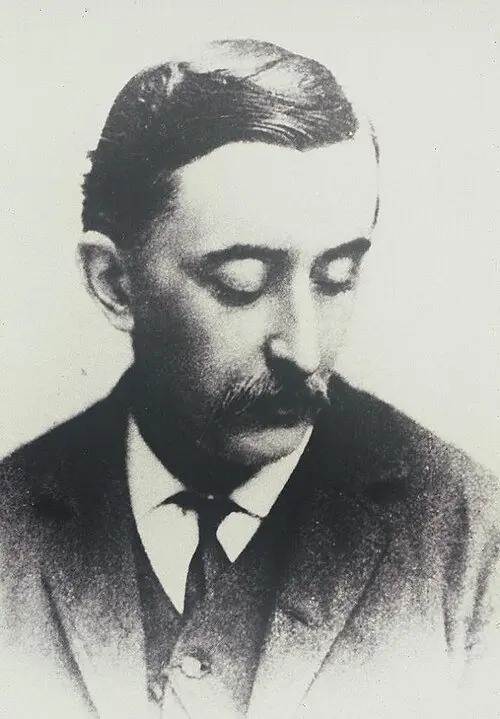

The following year, Lafcadio Hearn used the word in “A Living God,” an essay in his collection Gleanings in Buddha-Fields (1897). Japan’s shores, he wrote, had been swept for centuries “by enormous tidal waves,” and “these awful sudden risings of the sea are called by the Japanese tsunami.” He went on to tell the story of a wealthy village elder in the province of Kishū, today’s Wakayama Prefecture, who set fire to his own harvested rice to bring the villagers running up to high ground. The tale was based on a real man, Hamaguchi Goryō. As the sea rushed in, Hearn wrote, the people shrieked, “Tsunami!” Retold as Inamura no Hi (“The Burning Rice Sheaves”), the story later appeared in Japan’s prewar school readers.
Not a “tidal” wave
As Hearn’s wording shows, the usual English term was “tidal wave.” According to the Online Etymology Dictionary, it was being used for earthquake waves by 1868. The trouble is that tsunamis have nothing to do with the tides. The U.S. National Oceanic and Atmospheric Administration (NOAA) notes that oceanographers discourage the name for exactly that reason.
The turning point came on April 1, 1946, when an earthquake near the Aleutian Islands sent a tsunami across the Pacific to Hawaii, killing more than 150 people. In a paper published the following year in the journal Pacific Science, the geologists who studied the disaster called “tidal wave” “patently undesirable, as the waves have no connection whatever with the tides.” They also chose “tsunami” over the more technical “seismic sea wave,” partly “because of its greater brevity.”
According to NOAA, the 1946 disaster led the United States to begin official tsunami warnings in 1949. After the 1960 Chilean tsunami, Pacific nations agreed to coordinate their efforts under the United Nations, and in 1968 the warning center in Hawaii was renamed the Pacific Tsunami Warning Center.
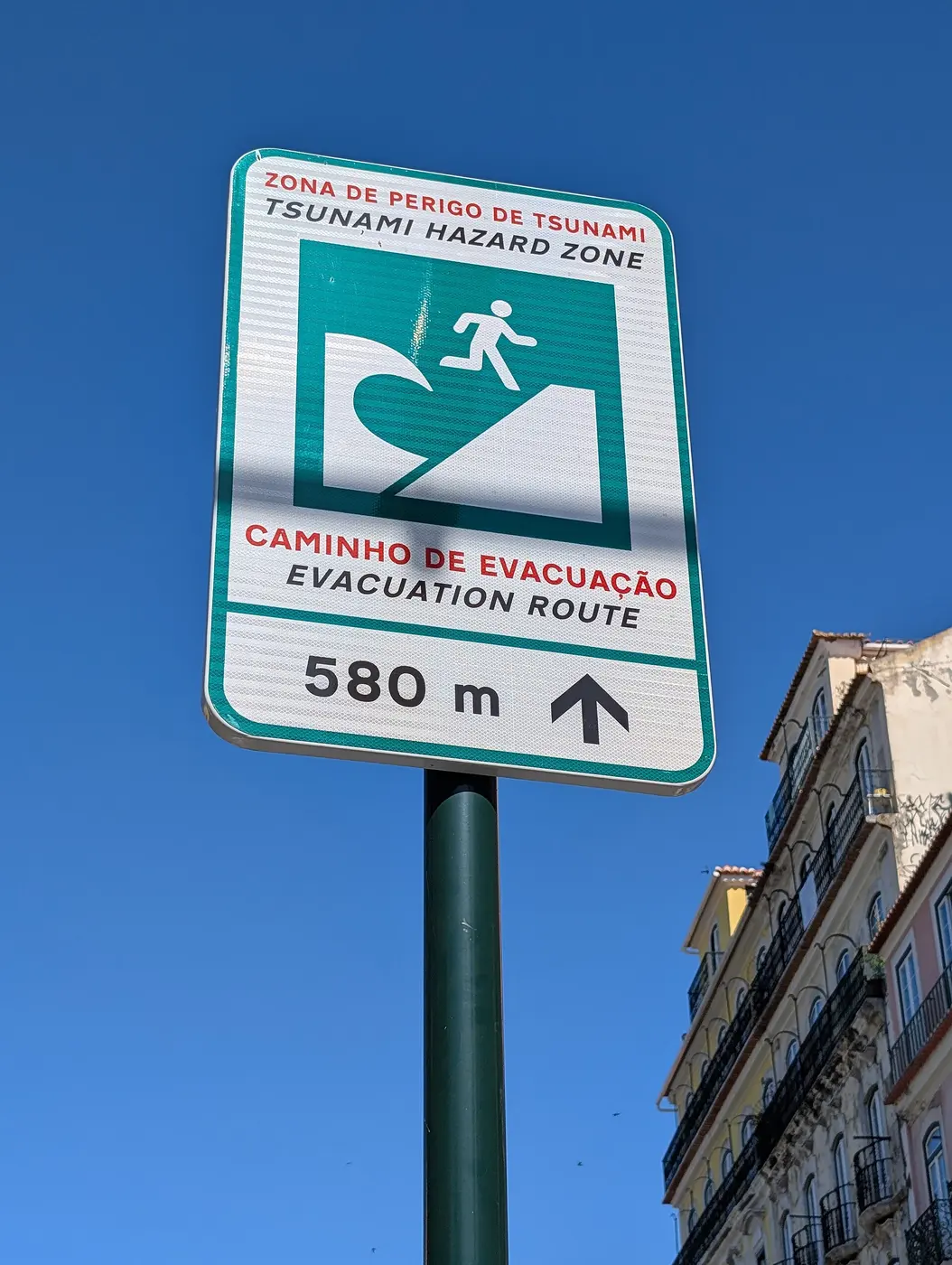

Even so, it took decades for the word to become familiar to everyone. In a 2011 interview with NPR, the linguist Ben Zimmer said the term spread especially after the Indian Ocean tsunami of 2004. He suggested that the inaccuracy of “tidal wave” may be one reason “tsunami” caught on.