Why do Japanese people say “moshi moshi” twice on the phone?
It’s a shortened, doubled polite call, “mōshi mōshi,” that existed nearly 300 years before the telephone.
The phone rings and you pick up the receiver, or tap the screen of your smartphone. Then: “Moshi moshi (もしもし).” It is probably the phrase you hear most often when making or taking a call in Japan.
But in everyday conversation, people almost never say moshi just once. So why do they always repeat it on the phone? And what does moshi even mean?
A doubled “I humbly say”
“Moshi moshi” comes from mōshi (申し), a word used to call out to someone. Mōsu is a humble way of saying “to say,” and mōshi was what you said to get someone’s attention politely, in the spirit of “if I may say something” or “excuse me.” Doubled up as mōshi mōshi, it was shortened into moshi moshi.
What is striking is how old it is. The Nihon Kokugo Daijiten, Japan’s largest historical dictionary, cites an example from a book printed in 1591 by Christian missionaries in Japan, in which it is written in Roman letters as “moximoxi.” In other words, “moshi moshi” was being used to call out to people nearly 300 years before the telephone was invented.
Even today, people sometimes say “moshi moshi” to stop a stranger who has dropped something on the street. That is actually closer to its original use.
From “oi oi” to “moshi moshi” at the exchange
Telephone exchange service in Japan began on December 16, 1890 (the 23rd year of the Meiji era), between Tokyo and Yokohama. In those days, operators connected calls by hand.
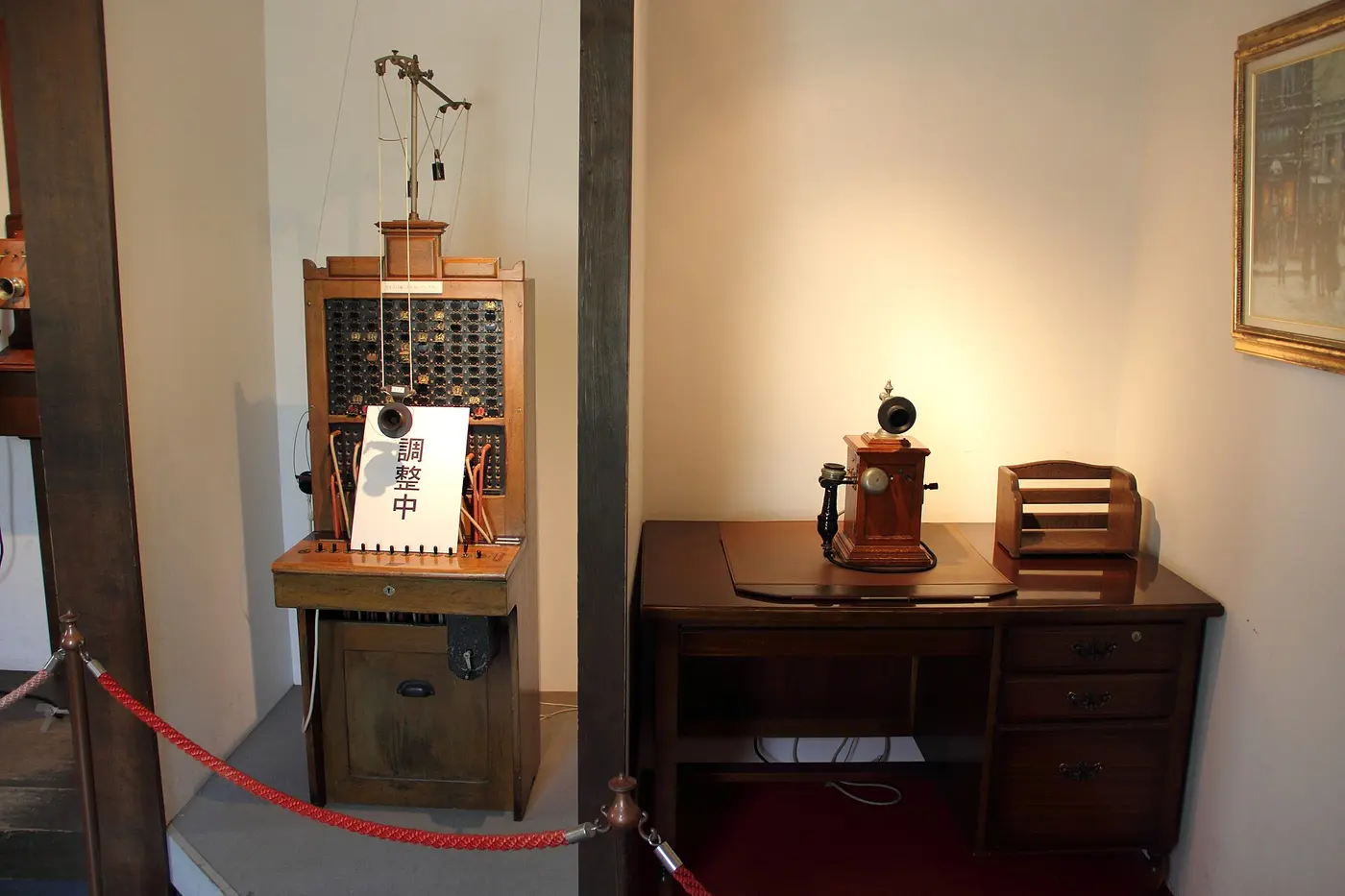

In the early days of the telephone, people are said to have often called out oi oi, roughly “hey, hey.” Humorous anecdotes in newspapers of the time show callers shouting “oi” into the phone. But on a telephone, where you can’t see the other person, “oi oi” sounds decidedly rude.
By around 1898 (Meiji 31), newspaper articles suggest there was a rule that operators would call out “moshi moshi.” There also reportedly survives a reader’s letter complaining that when he said “oi oi,” a woman at the exchange scolded him: “You mustn’t say ‘oi oi’—say ‘moshi moshi’!” The polite “moshi moshi” seems to have spread from the operators to the people using the phones. In a novel by Ozaki Kōyō published in 1903, a character remarks, “It’s not that I’m opening a phone call, but I feel like saying moshi moshi,” showing that by then “moshi moshi” had firmly become the first words of a phone call.
Why say it twice?
So why twice?
One thing is certain: the doubled form mōshi mōshi existed long before the telephone. Japanese has a habit of doubling words used to call out to people, as in oi oi (“hey, hey”) or kore kore (“now, now”). Saying it twice probably catches someone’s attention more easily than saying it once.
On top of that, you often hear the explanation that early telephones were noisy and voices were hard to make out, so repeating the word helped make sure it got through. Even now, when the signal is bad, we find ourselves calling “Moshi moshi? Moshi moshi?” over and over. As a word for checking whether your voice is reaching the other end, repetition was a perfect fit.
Foxes can’t say “moshi moshi”?
There is another well-known story. Foxes and other shape-shifting creatures, it goes, can only say moshi once, so saying it twice proves you are human.
There is a real folk belief behind this tale. The folklorist Yanagita Kunio wrote that old-fashioned people in the Saga region always said “moshi moshi” when calling out to someone; if you said “moshi” only once, no one would answer, because you might be suspected of being a fox.
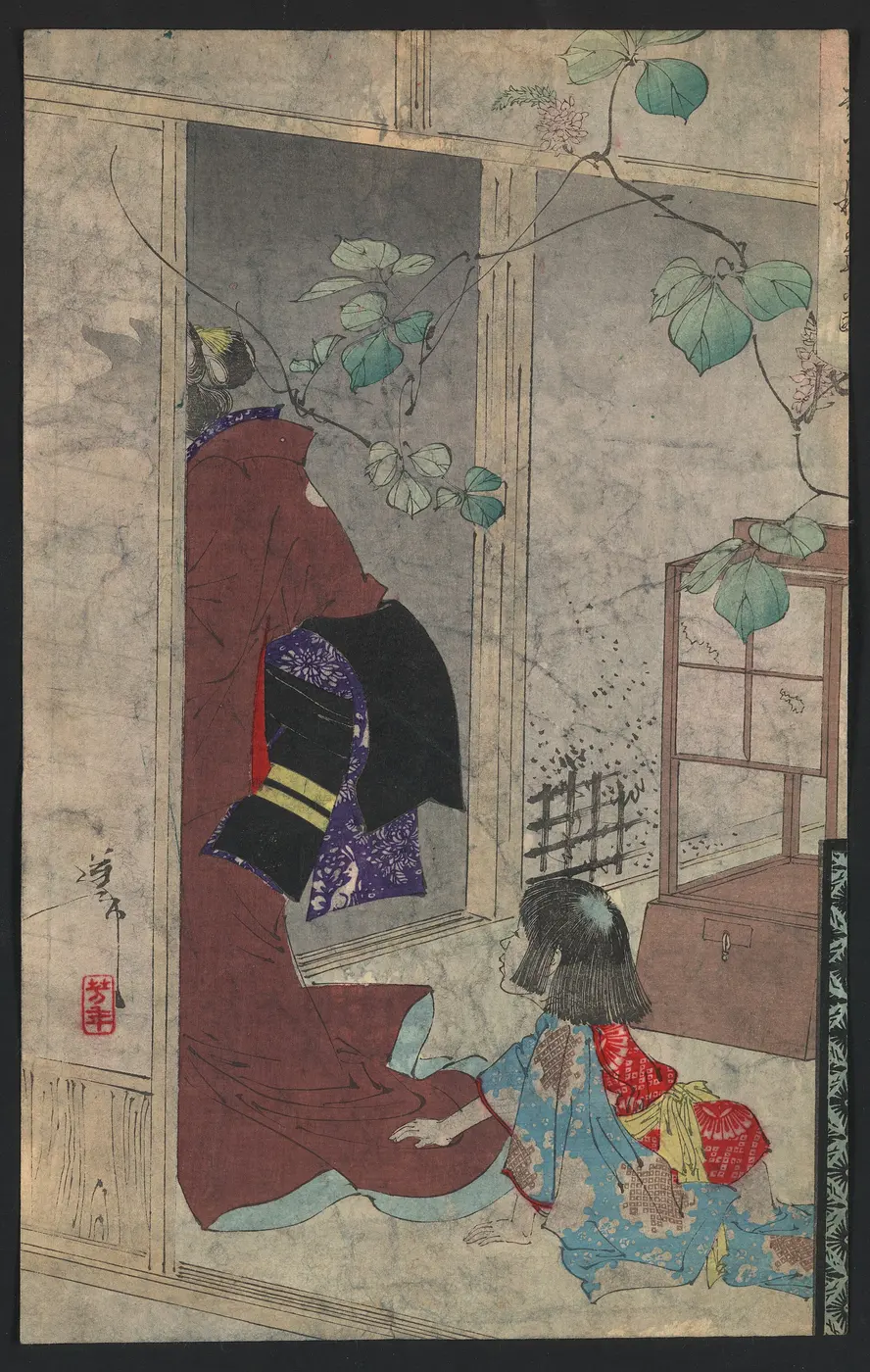

Still, no evidence has been found directly linking this folk belief to the telephone “moshi moshi.” The more natural explanation is that the phone greeting spread from the operators’ polite way of calling out. The fox story is best enjoyed as one of the popular theories surrounding the phrase.