Is “randoseru” a Dutch word?
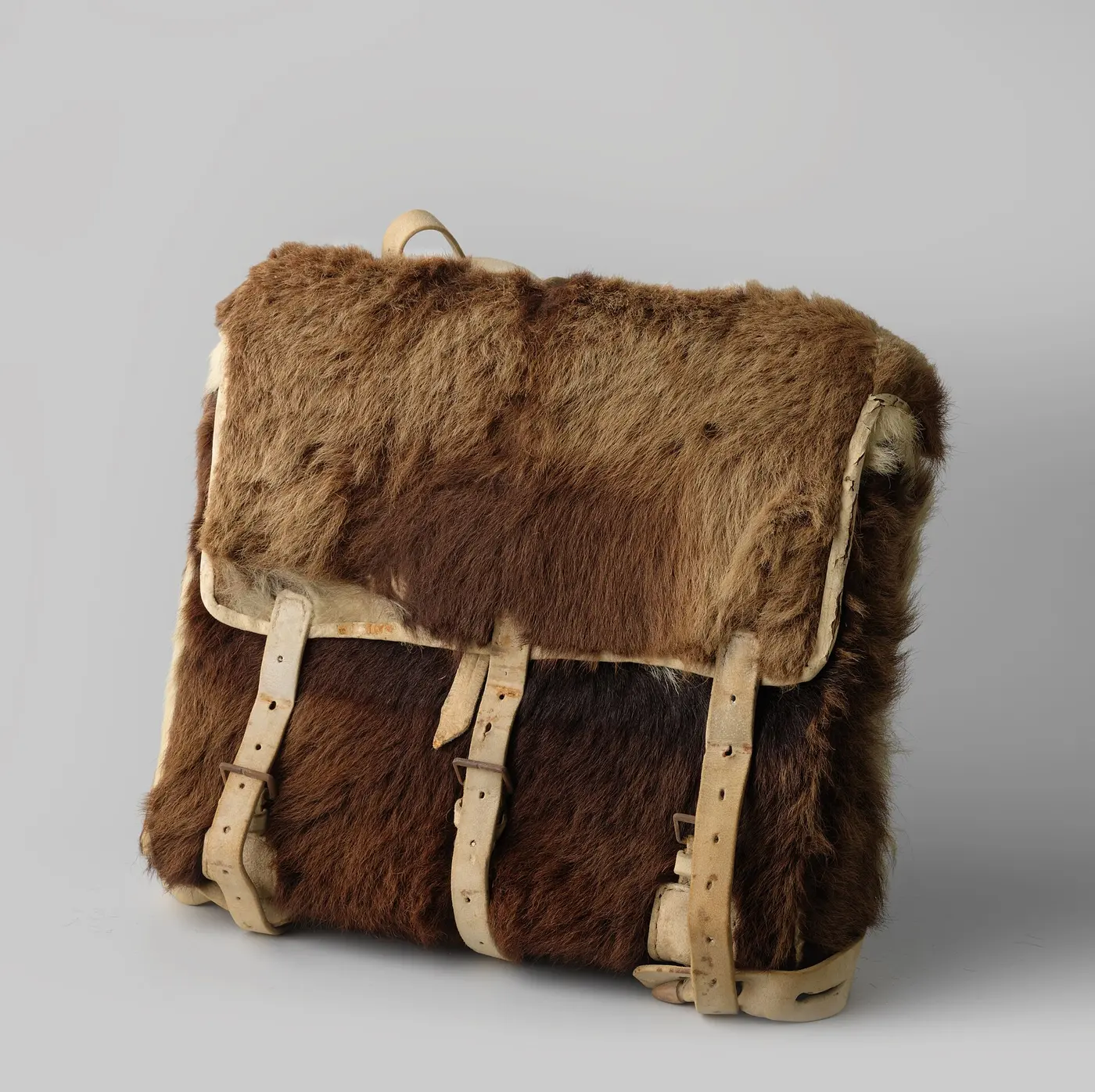
Yes. It is thought to be a corruption of the Dutch ransel, a soldier’s square backpack.
1885
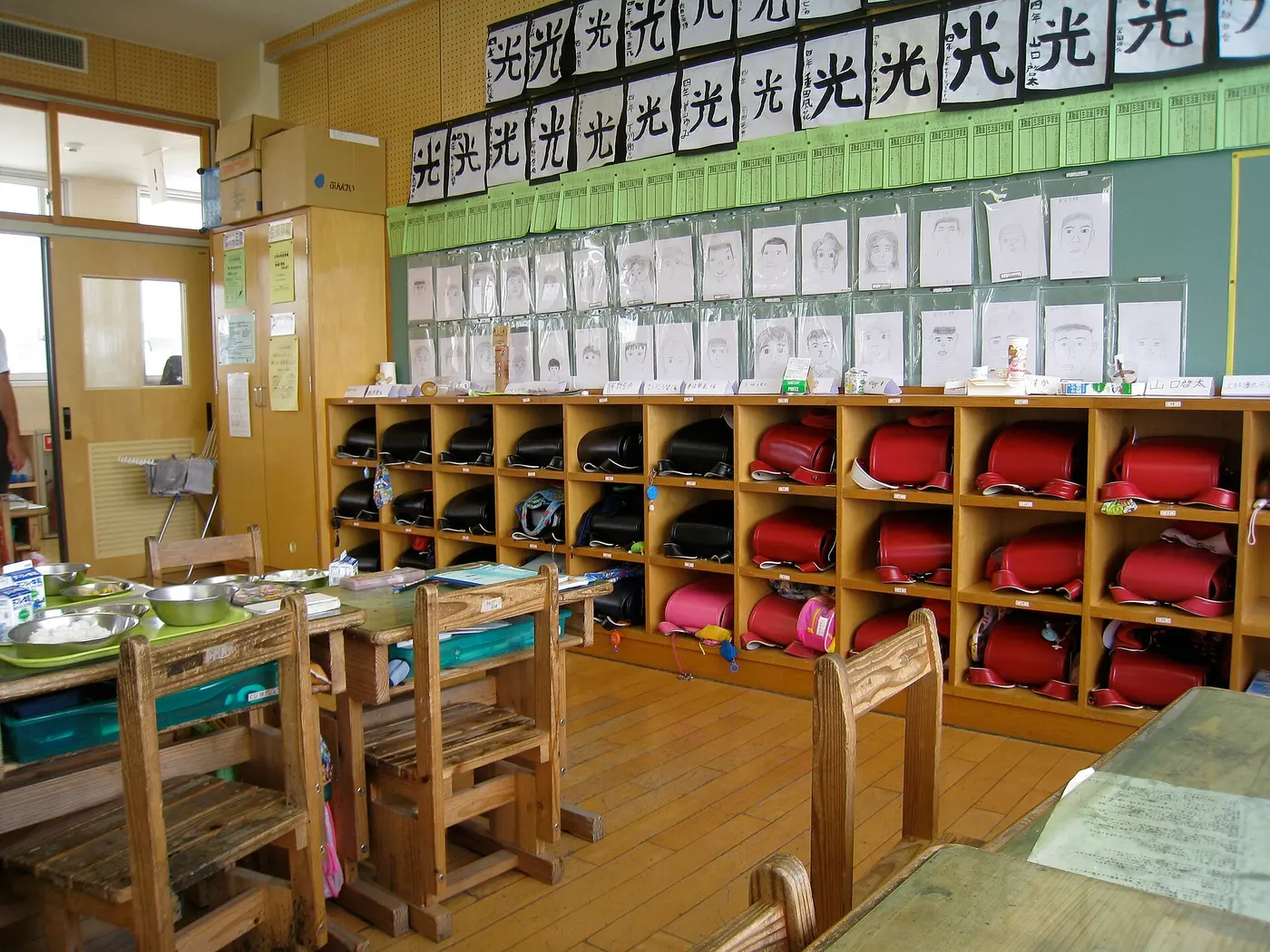
Each April, at the start of the Japanese school year, new first-graders head off to school looking a little nervous under brand-new randoseru. These stiff, box-shaped leather backpacks, often black or red, are such a familiar sight in Japan that visitors from abroad have come to see them as a national icon.
But what language is randoseru? It is written in katakana, the script Japanese uses for foreign words, yet it is not English. An English speaker would just say backpack or school bag.
A Dutch soldier’s pack
Japanese dictionaries say randoseru is a corrupted form of the Dutch word ransel, meaning a soldier’s square backpack.
According to the Nihon Kokugo Daijiten, Japan’s largest dictionary, the scholar of Western learning Takano Chōei introduced the word as rantosuru in 1850, describing it as something for storing clothes and other belongings. When the shogunate and the feudal domains adopted Western-style armies in the 1850s and 1860s, soldiers began to carry cloth backpacks, and randoseru became the name for them. A text from 1868, the year of the Meiji Restoration, describes a bullet fired by the imperial army striking a soldier’s randoseru. The word started out as a piece of military kit.

Walking to school at Gakushuin
The backpack first went to school in 1885. The setting was Gakushuin, the school for the children of the imperial family and the nobility in Tokyo.
According to the Heibonsha World Encyclopedia, in May of that year Gakushuin banned its pupils from arriving by horse-drawn carriage or rickshaw and told them to walk. To carry their books and lunches, they were given military-style backpacks, at first made of cloth like the army version.
The Randoseru Association, the industry body for Japan’s randoseru makers, explains the thinking behind this: the school believed that “all are equal at school” and that family circumstances should be kept out of education. Until then, some pupils had servants carry their things. A backpack that freed both hands and let children carry their own belongings fit the new policy perfectly.
A gift from Japan’s first prime minister?
There is a famous story about where the boxy shape came from. In 1887, when the future Emperor Taishō entered Gakushuin, Itō Hirobumi, Japan’s first prime minister, is said to have had a box-shaped school bag specially made and presented it to him. The Randoseru Association repeats this story as the origin of the randoseru.
Encyclopedias are more cautious and present it as just one theory. Nipponica notes that there are several, including one crediting General Nogi Maresuke. What is on record is that Gakushuin’s student rules, revised in August 1890, required the backpack to be made of black leather. According to the Randoseru Association, by 1897 the shape and dimensions had been standardized into what is still called the Gakushuin style.
Nationwide only after the war
Ordinary children did not adopt randoseru right away. According to the World Encyclopedia, until the late 1910s and early 1920s most carried their things wrapped in a furoshiki cloth or in a shoulder bag. As children’s clothing became Western-style, leather randoseru of the Gakushuin type spread among boys in the cities from the mid-1920s to the early 1930s, and then to girls. They became standard across the country only from the 1950s, after the Second World War.

From a soldier’s pack to the school bag of young aristocrats and then to the back of nearly every Japanese schoolchild, the word randoseru has changed hands, or rather backs, many times in more than 150 years.