Where does the Japanese word “sayōnara” come from?
From “sayō naraba” (“if that is so”), which lost its final “ba” and settled in as a farewell.
Waving on the way home from school, Japanese children call out sayōnara (さようなら). At graduations or when someone moves away, the word takes on a slightly wistful ring. These days, adults more often part with “dewa, mata” (“well, see you”) or “otsukaresama desu” (roughly, “thanks for your hard work”), so sayōnara has, if anything, become a rather formal word with real weight to it.
Look at it closely and it has an odd shape. Unlike ohayō (good morning) or arigatō (thank you), nothing in it celebrates or thanks anyone. So what exactly is it saying? The answer lies in a humble little phrase people once used to wrap up a conversation.
Short for “sayō naraba”
The original form of sayōnara is sayō naraba (左様ならば). Sayō (左様, also written 然様) means “like that” or “just so.” It is the sayō you hear in samurai dramas, when a retainer answers his lord, “Sayō de gozaimasu” (“That is so, my lord”). Add naraba, “if,” and you get “if that is so” or “well then.” Taken literally, there is nothing about parting in it at all.
In other words, sayō naraba was originally a connecting phrase used to move a conversation along. In the Edo period (1603–1868), people are said to have used it when leaving after their business was done: “Sayō naraba, kore nite shitsurei itashimasu” (“Well then, I shall take my leave”). Over time the “I shall take my leave” part was dropped, then the final “ba” fell away too, until sayōnara alone was enough to say goodbye. It is said to have become established as a farewell in the late Edo period. Sayonara (さよなら), with the short “o” familiar to English speakers, is a further-shortened form. A phrase that once only led into the farewell had become the farewell itself.
The Heian “saraba” works the same way
In fact, a farewell with exactly the same structure existed much earlier: saraba (さらば), well known from period dramas.
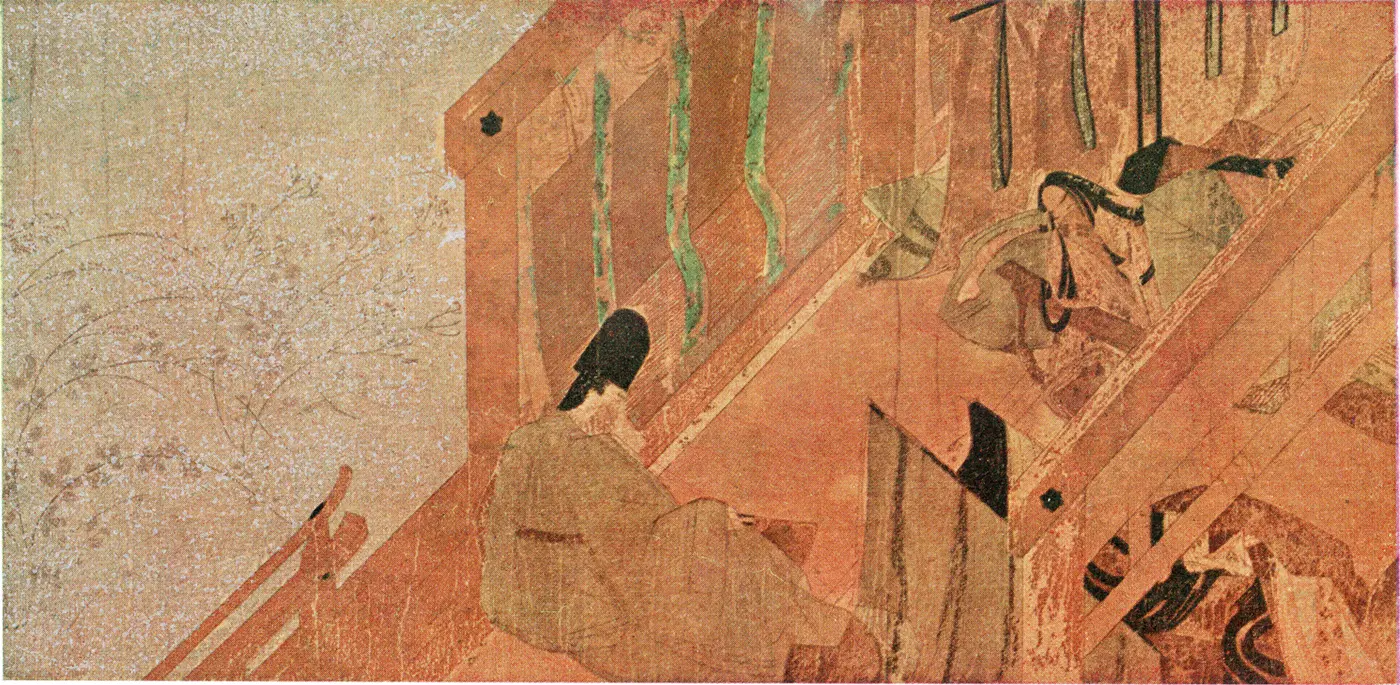

Saraba is a contraction of sa araba (然あらば), meaning “if it is so.” In other words, it means the same as sayō naraba. In The Tale of Genji, written in the Heian period (794–1185), there are scenes where a character says “saraba” on parting and walks away. A thousand years ago, people were saying goodbye just as we do: with a “well then.” The words changed over the centuries, but the logic stayed exactly the same.
A language that parts with “well then”
Run through other Japanese farewells and you will notice many with the same shape: dewa, jā, soredewa, “sorejā, mata ne.” Like “if that is so,” each is a phrase for wrapping up a conversation and moving on. Japanese speakers tend to part not with a wish, but with a gentle full stop.
Set beside farewells from other languages, the character of the Japanese word stands out. French adieu and Spanish adiós mean “to God,” entrusting the other person to God. Chinese zàijiàn (再見) means “see you again,” a promise to meet once more. Japanese sayōnara, by contrast, makes neither a prayer nor a promise. It simply says “if that is so,” and quietly accepts the fact of parting. Each language, in its own way, reveals what people most want to say at the moment of goodbye.
“The most beautiful farewell”
One visitor from abroad was deeply moved by sayōnara: the American writer Anne Morrow Lindbergh. In 1931, she flew across the North Pacific to Japan with her husband, Charles Lindbergh.
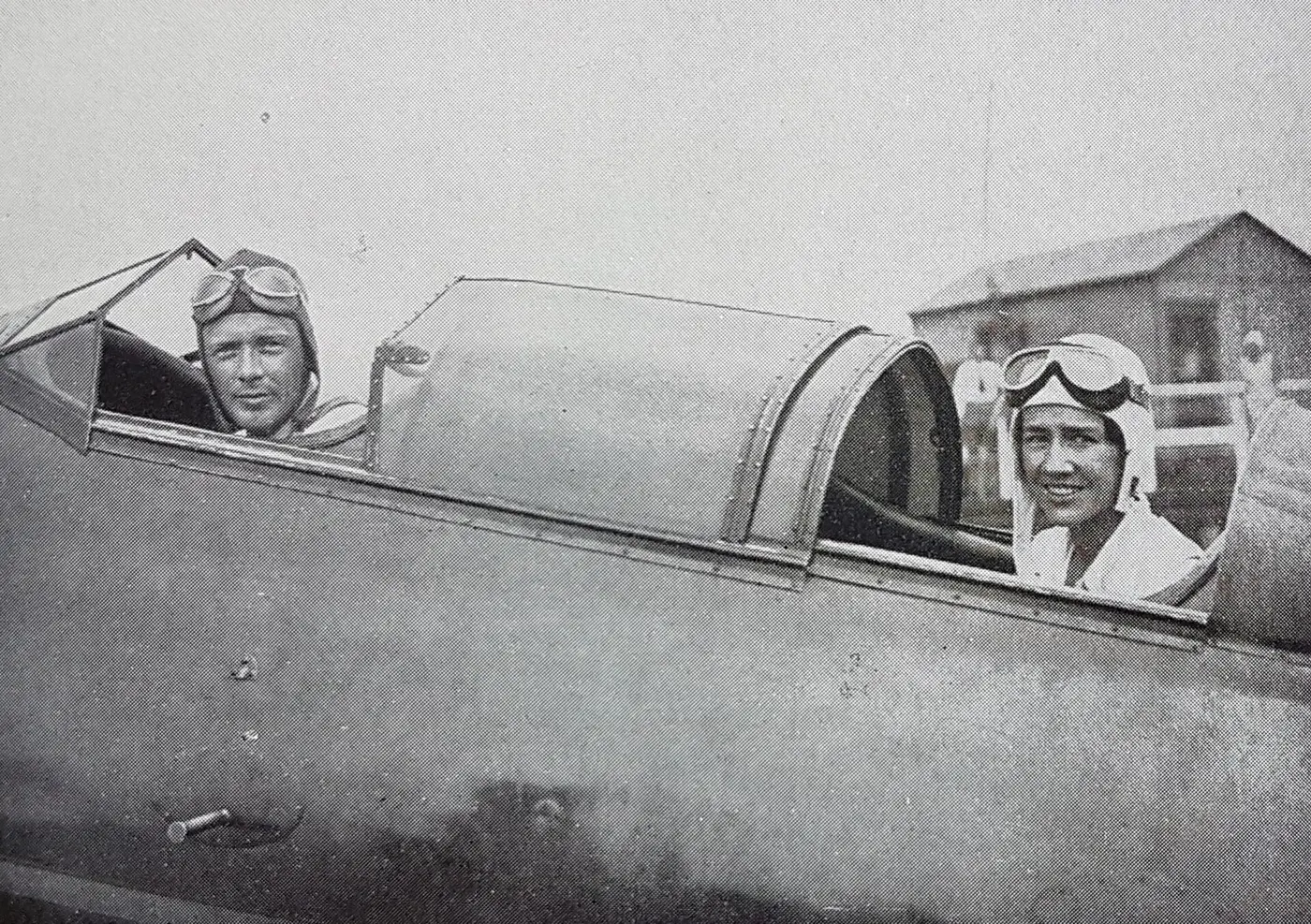

In North to the Orient, her book about the journey, she wrote that this word, which literally translated means “since it must be so,” was of all the goodbyes she had heard the most beautiful. Coming from a writer who had just crossed an ocean by air, it was high praise. The gist of that passage might be summed up like this:
Without putting too much of the sorrow of parting into words, you simply say “sayōnara,” the way you might press someone’s hand.
What she sensed, perhaps, was its modesty: accepting a farewell without saying too much, and letting the feeling go unspoken. A word used offhandedly every day turned out, seen from outside, to have a deeply poetic ring.