Is the Japanese word “pan” for bread Portuguese?
Yes. It is thought to come from pão, the word used by Portuguese visitors in the 16th century. It isn’t English.
Shoku-pan (sandwich loaf), anpan (sweet bean bun), karē-pan (curry bread), meron-pan (melon bread). Japanese bakery shelves are lined with names ending in pan (パン), the Japanese word for bread. Because it is written in katakana, the script used for foreign loanwords, some Japanese people vaguely assume it must be English.
But bread in English is, of course, “bread.” An English “pan” is a flat cooking vessel, as in frying pan. So where did Japanese pan come from?
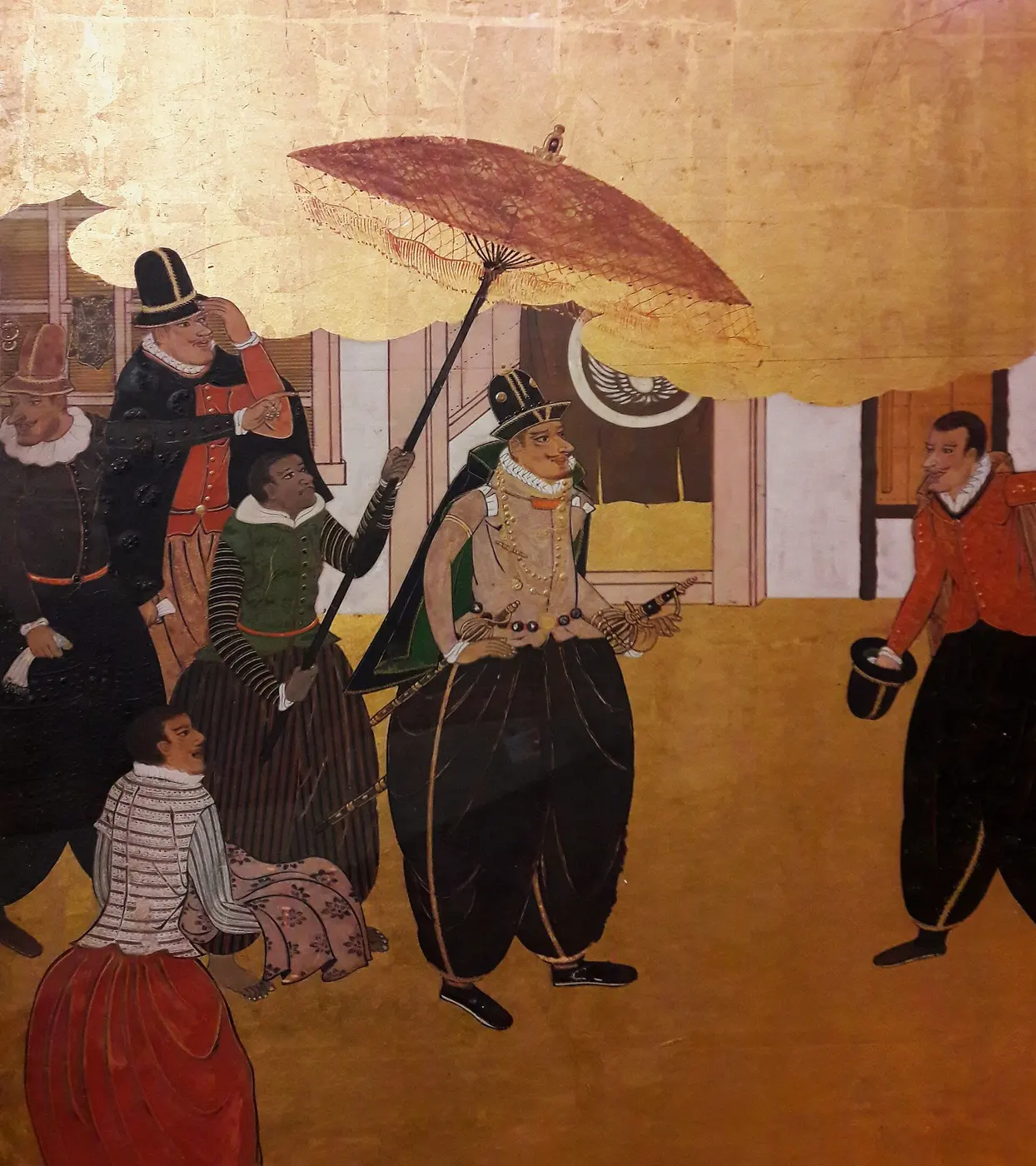
Pão, brought by the “southern barbarians”
Japanese pan is said to come from the Portuguese pão, pronounced with a nasal sound something like “pown.”
The Portuguese reached Japan in the mid-16th century. It is well known that Portuguese sailors who drifted ashore on the island of Tanegashima in 1543 introduced firearms, but they brought bread as well. As Christian missionaries later spread their faith across the country, the habit of eating bread gradually spread too; bread was essential to Christian rites. There is even said to be a record that the warlord Oda Nobunaga ate bread.

Incidentally, many European languages have a similar word for bread: pan in Spanish, pain in French, pane in Italian. All are siblings descended from the Latin panis, “bread.”
Bread nearly vanished with the Christian ban
Bread did not take root in Japan straight away, however. When the Tokugawa shogunate banned Christianity and then sealed the country off from most foreign contact, bread making, so closely tied to Christianity, almost died out.
Afterward, bread was still baked in a small way on Dejima in Nagasaki, as food for the Dutch traders living there. The Wakan Sansai Zue, an illustrated encyclopedia completed in 1712, describes a steamed bun without a filling and adds, in effect, that “the Dutch eat one at every meal as their staple food, and they call it pan.” To Japanese people, bread was still a food from a distant land.
Egawa Tarōzaemon, the “father of bread”
What brought bread back into the spotlight was, surprisingly, the military.
Late in the Edo period, Egawa Tarōzaemon Hidetatsu, the shogunate’s magistrate at Nirayama in Izu (today’s Izunokuni, Shizuoka Prefecture), was a student of Western gunnery and passionate about coastal defense. He reasoned that cooking rice on the battlefield sent up smoke that would give away an army’s position to the enemy. His answer was bread, which was portable and kept well.
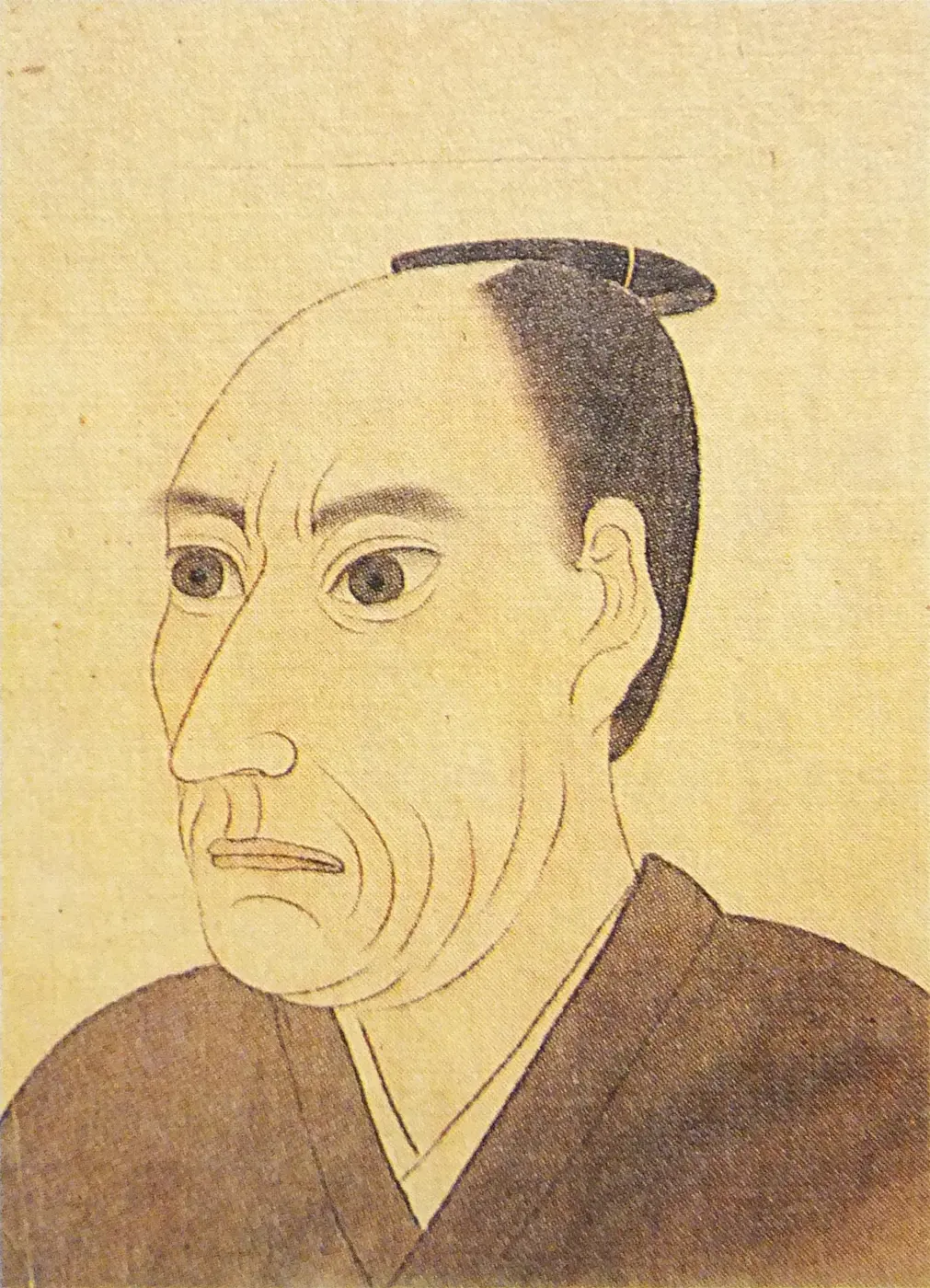

Egawa summoned a man who had learned bread making in Nagasaki to Nirayama and had a bread oven built at his home. On the 12th day of the fourth month of Tenpō 13 (1842), he is said to have baked “hyōrō-pan,” bread as soldiers’ rations. It was baked hard so that it would keep.
For this, Egawa is still called the “father of bread” (panso) by Japan’s bakery industry. In 1982, the Japan Bread Promotion Council, inspired by that date, declared the 12th of every month “Bread Day.”
How a foreign word became Japanese
In the Meiji era (1868–1912), bread gradually spread among the Japanese. In those days it was sometimes written with the kanji 麺麭. In 1874, Kimura Yasubei of the Kimuraya bakery in Ginza (today’s Kimuraya Sōhonten) began selling anpan, buns raised with sakadane, the sake-yeast starter used for sake manjū dumplings, and they were a huge hit.
Pan is far from the only Japanese word borrowed from Portuguese. Karuta (playing cards) is said to come from carta (card), and botan (button) from botão. All have settled so deeply into Japanese that it is hard to believe they started out as foreign words.