Where does the Japanese phrase “ichika bachika” come from?
Probably from Edo-period gambling. One theory takes the tops of the kanji 丁 and 半, but accounts differ.
“Kō nattara ichika bachika, yatte miyō”: “Well, it’s now or never, let’s give it a try.” When you can’t tell how things will turn out but decide to take the plunge anyway, Japanese has a phrase for it: ichika bachika (一か八か), something like “sink or swim” or “all or nothing.”
Look at it again, though, and it is a strange expression. Written literally, it means “one or eight.” Why those numbers? And the 八 (eight) is read not “hachi,” as usual, but “bachi.” There are several theories about where the phrase came from, and all of them lead to the world of gambling in the Edo period (1603–1868).
In use for over 300 years
First, let’s see how old the phrase is.
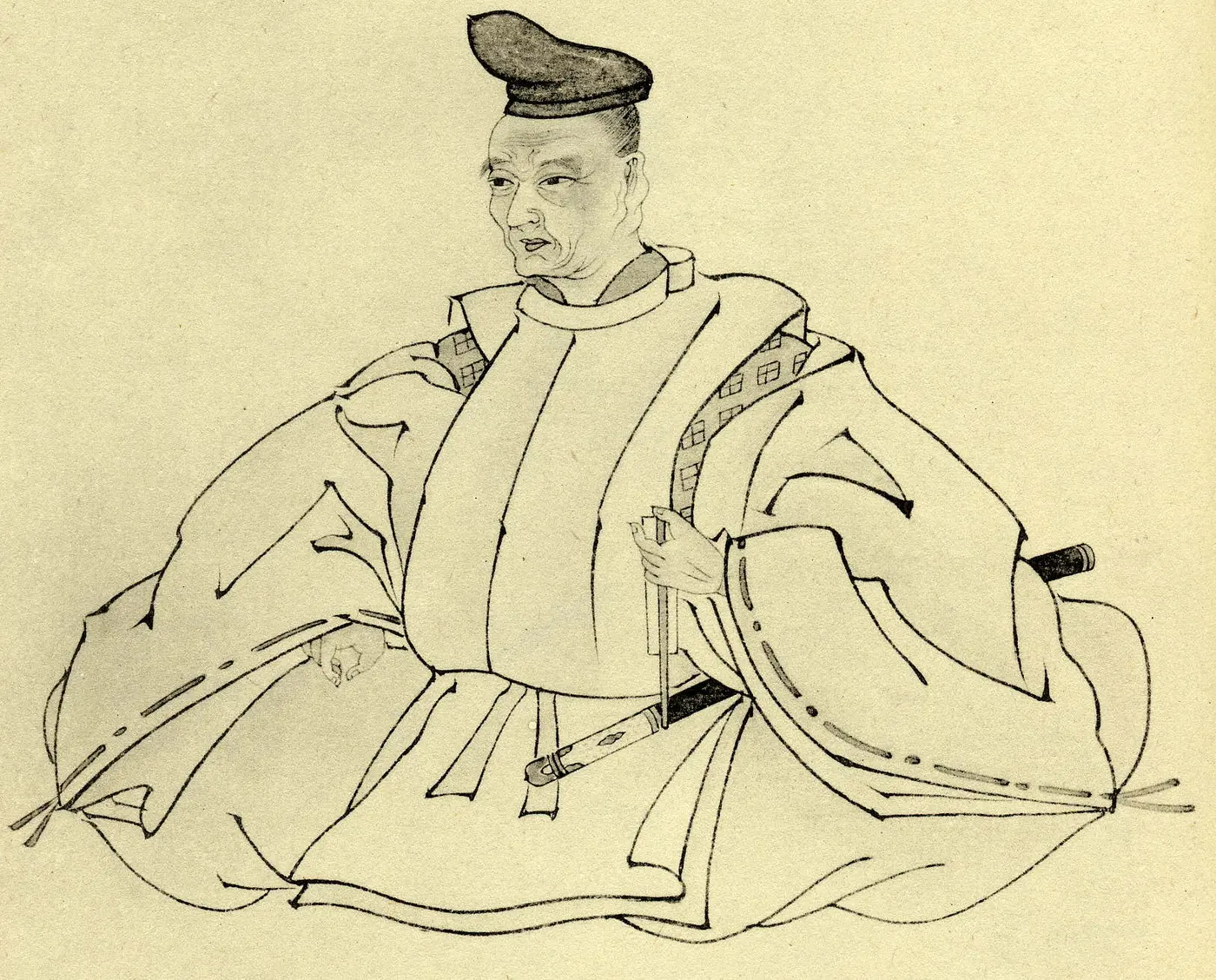
According to Japanese dictionaries, ichika bachika was already in use by the middle of the Edo period. One early example cited is Saga Tennō Kanro no Ame, a jōruri play written in 1714 by Chikamatsu Monzaemon. Chikamatsu, known for works such as The Love Suicides at Sonezaki and The Battles of Coxinga, is regarded as one of the defining playwrights of the Edo period. The phrase also appears in the 1738 jōruri Oguri Hangan Kuruma Kaidō. Jōruri was the chanted narration of puppet theater enjoyed by ordinary townspeople, so by then the phrase must have been familiar to audiences.

The tops of “chō” and “han”
One well-known theory says the phrase comes from “chō ka han ka,” “even or odd?”
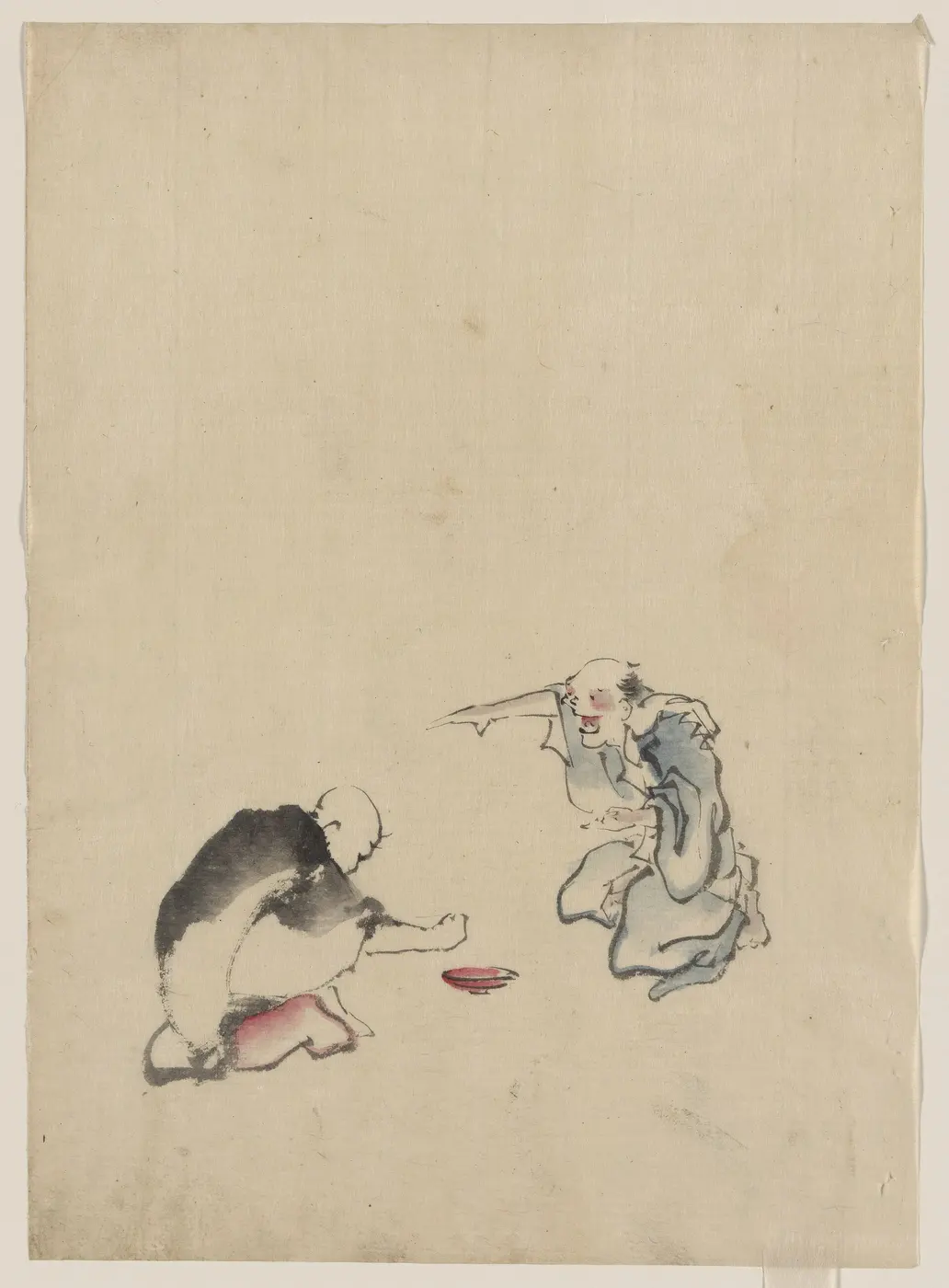
Chōhan was a dice game widely played in the Edo period. Dice were shaken in a cup, and if the total came up even it was chō (丁); if odd, han (半). Players bet on one or the other. There were only two possible outcomes, chō or han, and that clean split between winning and losing perfectly captures the all-or-nothing feeling of ichika bachika. Anyone who has watched Japanese period dramas may remember the dealer’s cry: “Place your bets! Chō or han?”
This theory focuses on the top parts of the kanji 丁 and 半. The top stroke of 丁 is a single horizontal line, the character 一 (one). The top of 半 has two short strokes side by side that resemble 八 (eight). Take just the tops of “chō ka han ka,” the theory goes, and you get “ichi ka hachi ka.” It is an explanation built on a visual pun.
Was it once “one or punishment”?
Another strong theory holds that the phrase was originally “ichi ka bachi ka,” with bachi (罰) meaning “punishment” or “divine retribution.”
Imagine a bet in which you win if the die shows a one and lose if it shows anything else. Either a one comes up, or retribution strikes. This expression for the outcome of a gamble, the theory says, later came to be written 一か八か.

The strength of this theory is that it explains why 八 is read “bachi.” Eight is normally “hachi,” so the voiced “bachi” is a little odd. If the original word was bachi, punishment, everything falls neatly into place.
Nobody knows which is right
There is also a theory that the phrase comes from gambling with karuta playing cards. All the theories agree that it was born in the world of gambling, but there is no firm evidence to decide which is correct. Dictionaries usually list several side by side, and “accounts differ” is the honest answer.
Japanese has other phrases with a similar meaning, such as noru ka soru ka (“stretch or bend”), but few convey the feel of a gamble as vividly as this one.
Whichever theory is right, ichika bachika captures the tension of leaving everything to chance. That breathless moment while the dice are still rolling lives on, 300 years later, in a phrase people use every day.