Where does the Japanese word “ohayō” come from?
It comes from “o-hayaku,” a polite form of “early,” and once praised someone for being early.
Seeing your family first thing, bumping into a friend on the way to school, walking through the door at work: ohayō (おはよう) is one of the very first words many Japanese people say each day. Everyone thinks of it as a morning greeting, just like “good morning” in English.
Look closely at what the word actually contains, though, and there is no “morning” in it anywhere. What it contains is “early.” So what, exactly, is early?
From “o-hayaku” to “ohayō”
Ohayō grew out of o-hayaku (お早く). Hayaku is the adverbial form of the adjective hayai (早い), “early” or “quick,” and the o- in front is a prefix that adds politeness. Through a common sound change in Japanese, in which a ku softens into u, hayaku became hayau, and that came to be pronounced hayō.
The polite version, ohayō gozaimasu (おはようございます), was built the same way. Its original form was o-hayaku gozaimasu, and the same sound change happened before gozaimasu, a formal verb meaning roughly “it is.” This is exactly the path by which arigataku gozaimasu became arigatō gozaimasu (ありがとうございます), “thank you,” and omedetaku gozaimasu became omedetō gozaimasu (おめでとうございます), “congratulations.”
So a literal translation of ohayō gozaimasu would be “You’re early.” Rather than a greeting for the morning, it was a remark about what the other person had done. That is a very different starting point from “good morning,” which celebrates the morning itself.
“How early you’ve arrived!” in the Edo period
Tracing the old examples recorded in dictionaries shows how the word changed. In jōruri, a form of puppet theater, from the late 17th century, ohayō appears as a greeting to someone who has arrived early, a way of saying something like “My, you’re here early,” with a note of appreciation.
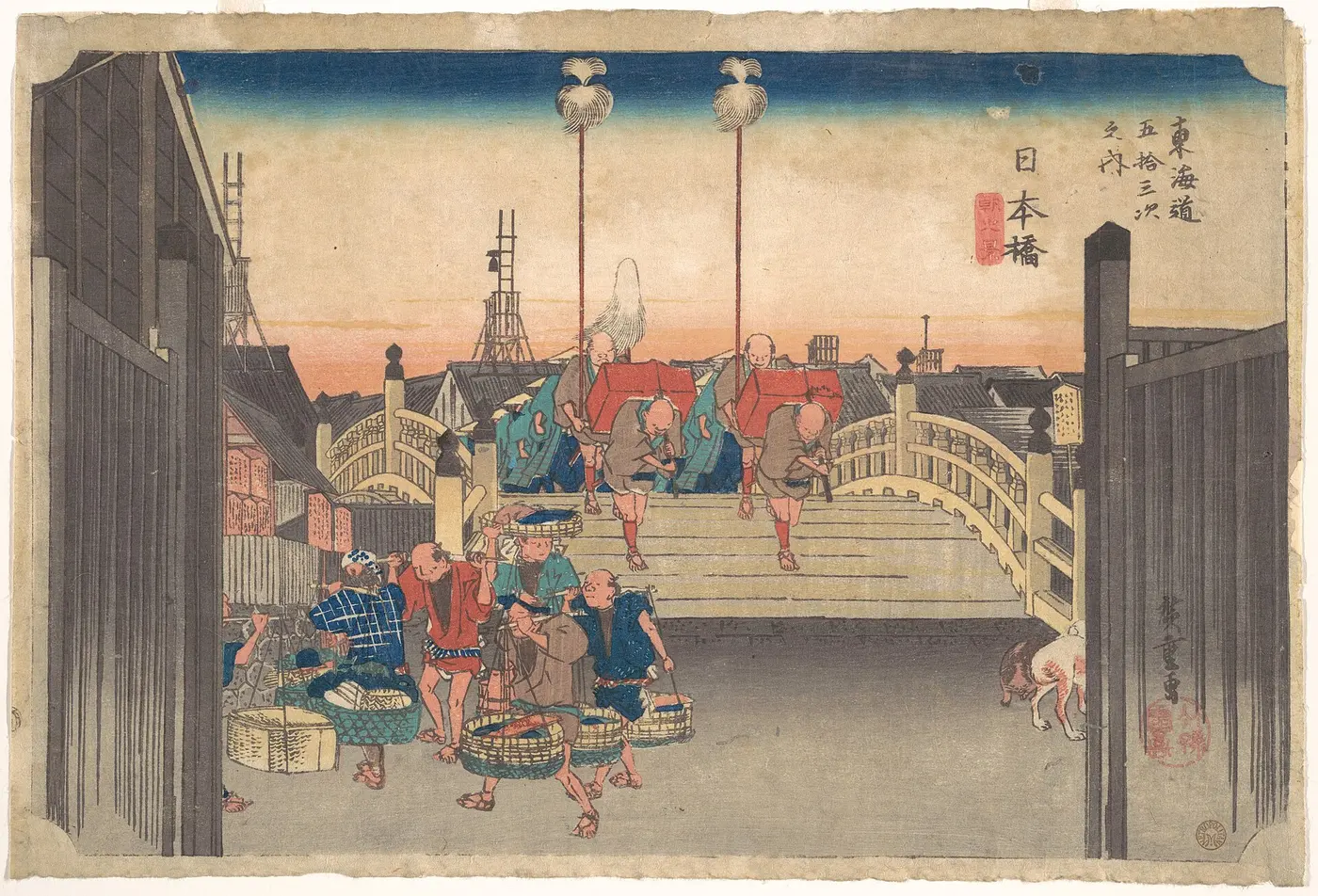

It is said to have become the set phrase for meeting someone in the morning in the late Edo period (the Edo period ran from 1603 to 1868). In ninjōbon, popular romance novels of the early 19th century, there are examples of it being used as a morning greeting, just as it is today. Presumably, people kept telling those who were up early and already at work, “You’re early,” until the phrase settled in as a greeting for the morning itself.
A world where it’s “ohayō gozaimasu” even at night
There are still places where you can sense the old meaning of ohayō. In Japanese show business, on television and on the stage, and in restaurants and bars, it is well known that people greet whoever they are seeing for the first time that day with ohayō gozaimasu, even in the evening or late at night.
As for why, one story says it began in kabuki dressing rooms, where those already there would greet actors arriving later with “How early you’ve arrived.” Another explanation is that in jobs with irregular hours, a greeting that works at any time of day was simply convenient. No one knows for sure.
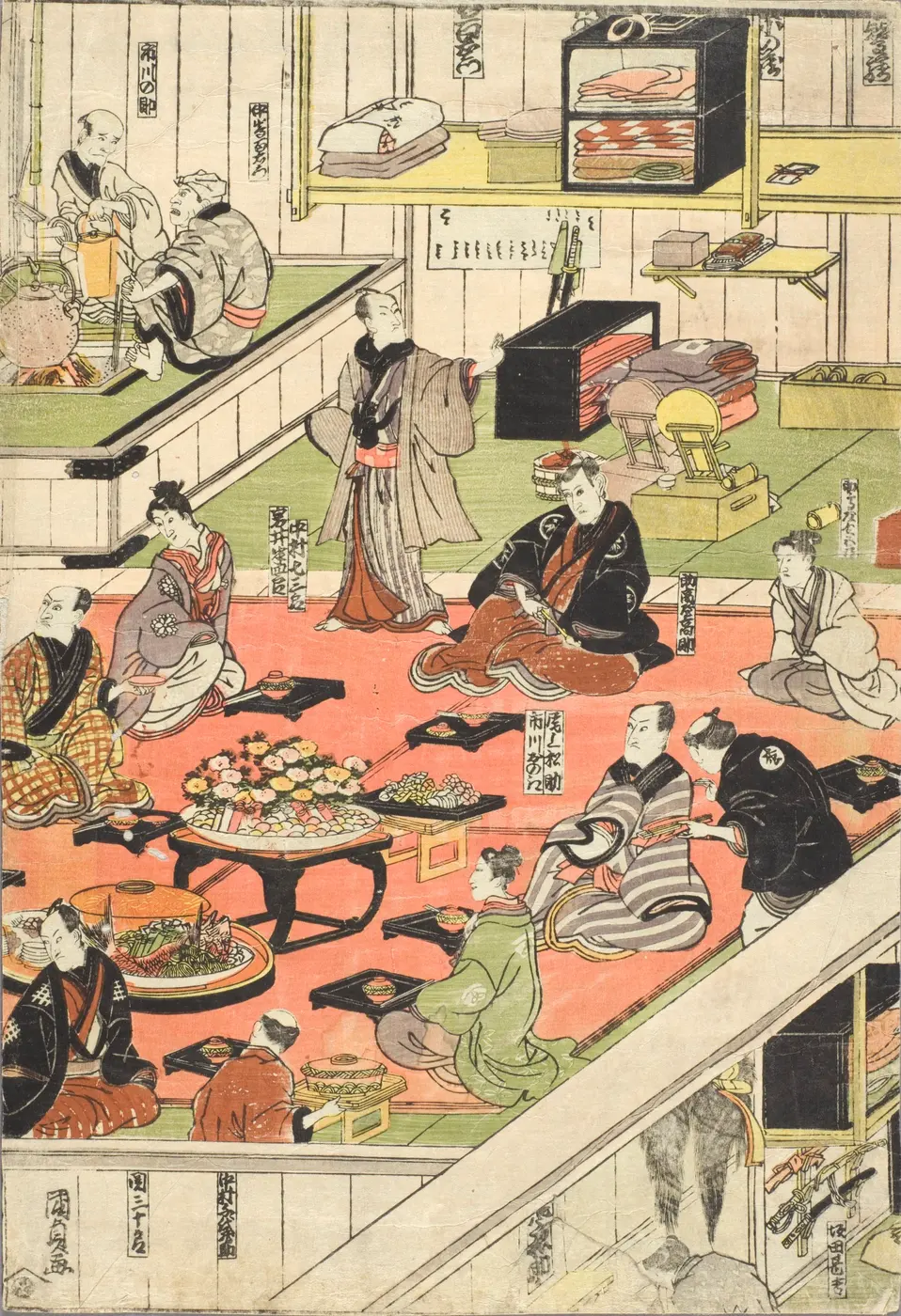

Remember that the word began as a way of appreciating someone’s earliness, though, and a nighttime ohayō gozaimasu is not strange at all. If anything, it is a use that stays remarkably true to the word’s original meaning.
Kyoto’s “ohayō okaeri”
The “early” in ohayō also lives on in dialect. In Kyoto and some other places, people sometimes see someone off with ohayō okaeri (おはようおかえり), or more politely ohayō okaeriyasu.
This isn’t a morning greeting. It means “Come home early,” or “Come back safe and soon.” It has been used in place of the standard itterasshai (“off you go”) to express a wish for the other person’s safety. It is said to be heard less and less these days, but it still carries forward the memory that ohayō originally meant “early.”