Did “nice” once mean “foolish”?
Yes. It comes from the Latin for “not knowing,” and when it entered English in the 13th century it meant “foolish” or “ignorant.” The sense “pleasant” appears only in the late 18th century.
Nice to meet you. Have a nice day. Nice work. Nice is one of the most-used compliments in English, and it has traveled well beyond it: Japanese, for one, has borrowed it for “nice shot” and “nice idea.”
When the word first appeared in English, however, it meant “foolish.” Far from being a compliment, it was a put-down.
“Not knowing” in Latin
According to the Online Etymology Dictionary, nice turns up in English in the late 13th century, describing people as “foolish, ignorant, frivolous, senseless.” It came from Old French nice, which from the 12th century meant things like “clumsy,” “weak,” “simple” and “silly.”
Further back lies the Latin adjective nescius, “ignorant, unaware,” literally “not knowing.” It is built from ne-, “not,” and the stem of scire, “to know,” the same verb that gave English the word science. Nice and science are distant cousins.
The editors of the Anglo-Norman Dictionary, which covers the French used in medieval England, note on their blog that the word stayed insulting in the Romance languages. In modern French, nice is uncommon, turning up mainly in older texts to describe someone as simple or naive. Only in English did it climb all the way to praise.
“Wise, and nothing nice”
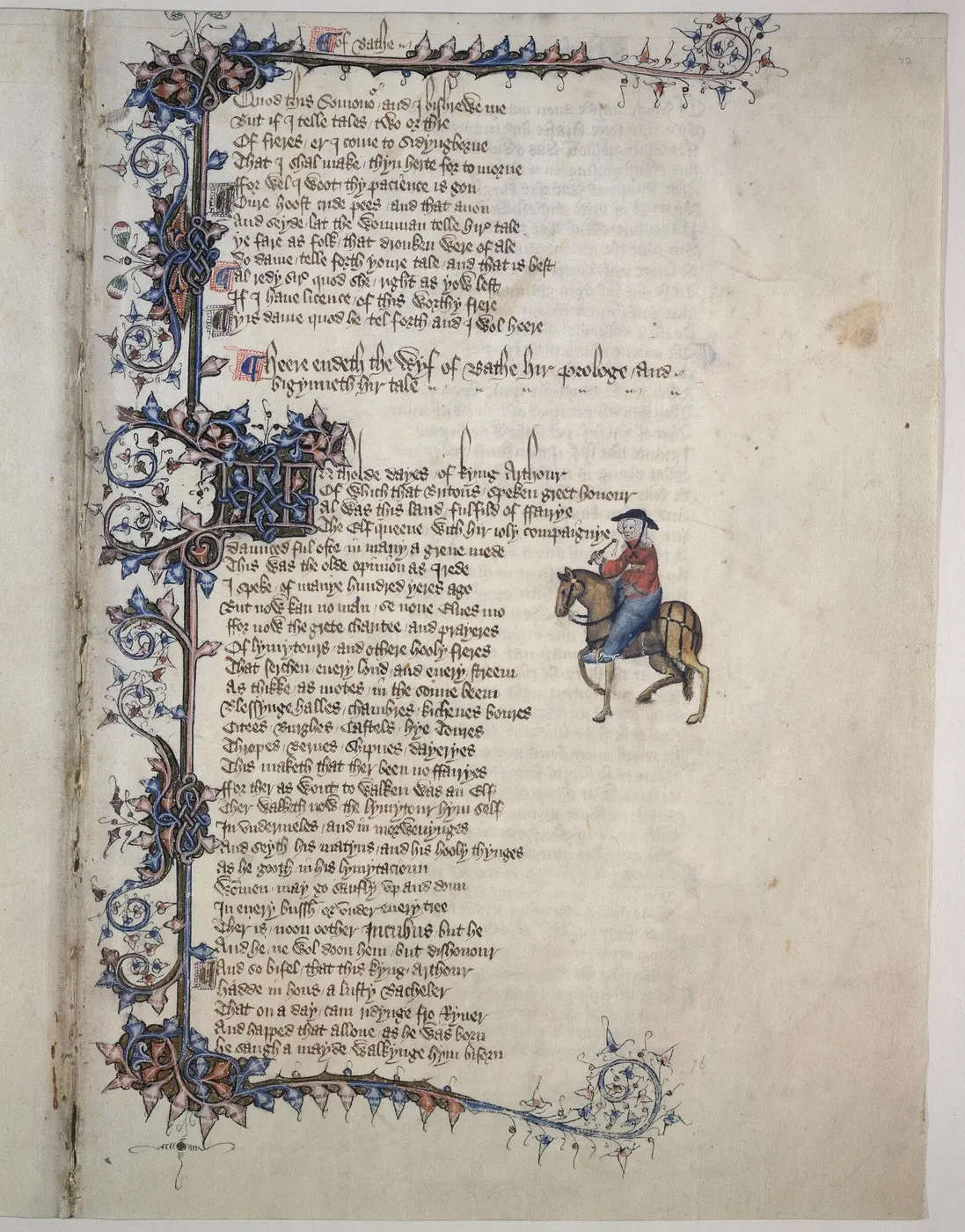
Geoffrey Chaucer’s Canterbury Tales, written in the late 14th century, shows the medieval word at work.
In the Wife of Bath’s Tale, a knight must discover what women want most, and he hears many answers. One is that women love to be free to do as they please, with no man scolding them for their faults, but instead saying “that we be wyse, and no-thing nyce”: that we are wise and not at all foolish. Here nice is simply the opposite of wise. In another tale, a quarreling man snaps at his companions, “ye been lewed and nyce,” that is, ignorant and foolish.

Timid, fussy, dainty, precise
From there nice set off on a long and winding journey. The Online Etymology Dictionary traces its main stops: “timid, faint-hearted” before 1300; “fussy, fastidious” in the late 14th century; “dainty, delicate” around 1400; “precise, careful” in the 1500s. Then comes “agreeable, delightful,” first recorded in 1769, and finally “kind, thoughtful” in 1830.
It was not a tidy, one-at-a-time succession. Several senses were in use at once, and the Oxford English Dictionary admits that in many examples from the 16th and 17th centuries “it is difficult to say in what particular sense the writer intended it to be taken.” According to the Anglo-Norman Dictionary blog, the OED distinguishes no fewer than fourteen senses that nice has had over the centuries.
The “precise” sense survives today in phrases like “a nice distinction” and “a nice point,” meaning a fine or subtle one.
A word that “does for everything”
Once nice meant “pleasant,” the problem became that it was too useful.
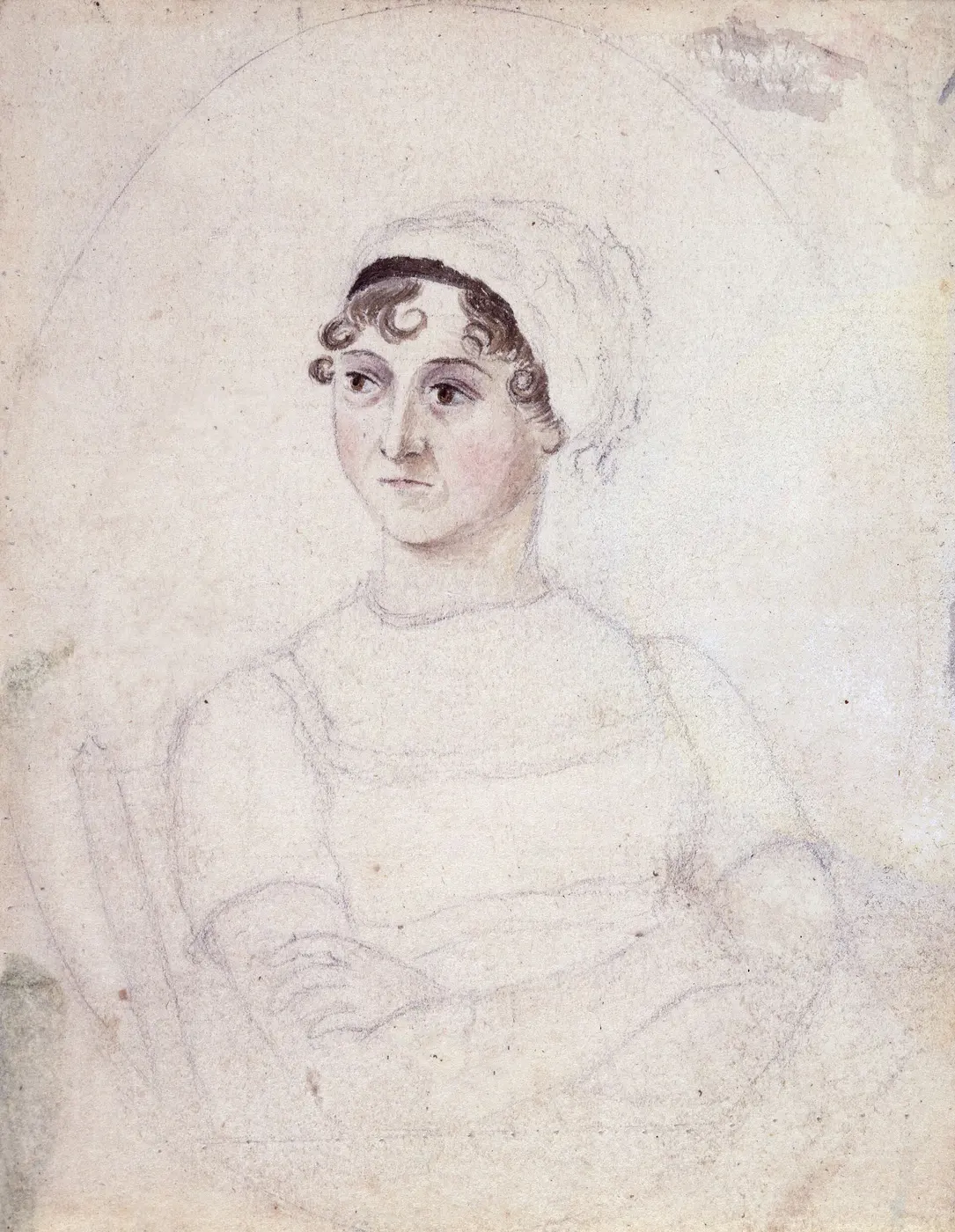
Jane Austen finished Northanger Abbey in 1803, though it was published only after her death, in 1817. In one scene, the heroine Catherine calls the Gothic novel The Mysteries of Udolpho “the nicest book in the world,” and young Henry Tilney teases her: “this is a very nice day, and we are taking a very nice walk, and you are two very nice young ladies. Oh! it is a very nice word indeed! it does for everything.” Originally, he suggests, it expressed “neatness, propriety, delicacy, or refinement,” but now “every commendation on every subject is comprised in that one word.”

By 1926, the usage guide writer Henry Fowler was complaining that nice had become “too great a favorite with the ladies, who have charmed out of it all its individuality and converted it into a mere diffuser of vague and mild agreeableness.” A word that began as an insult for fools had become a compliment so common that critics scolded it for meaning almost nothing.