Is the Japanese word “boikotto” really someone’s name?
Yes. It was the surname of an English land agent shut out by an entire community in Ireland in 1880.
Athletes boycott a tournament. Consumers boycott a company’s products. Refusing, as a group, to take part or do business in protest is called boikotto (ボイコット) in Japanese, a word as thoroughly at home there as “boycott” is in English.
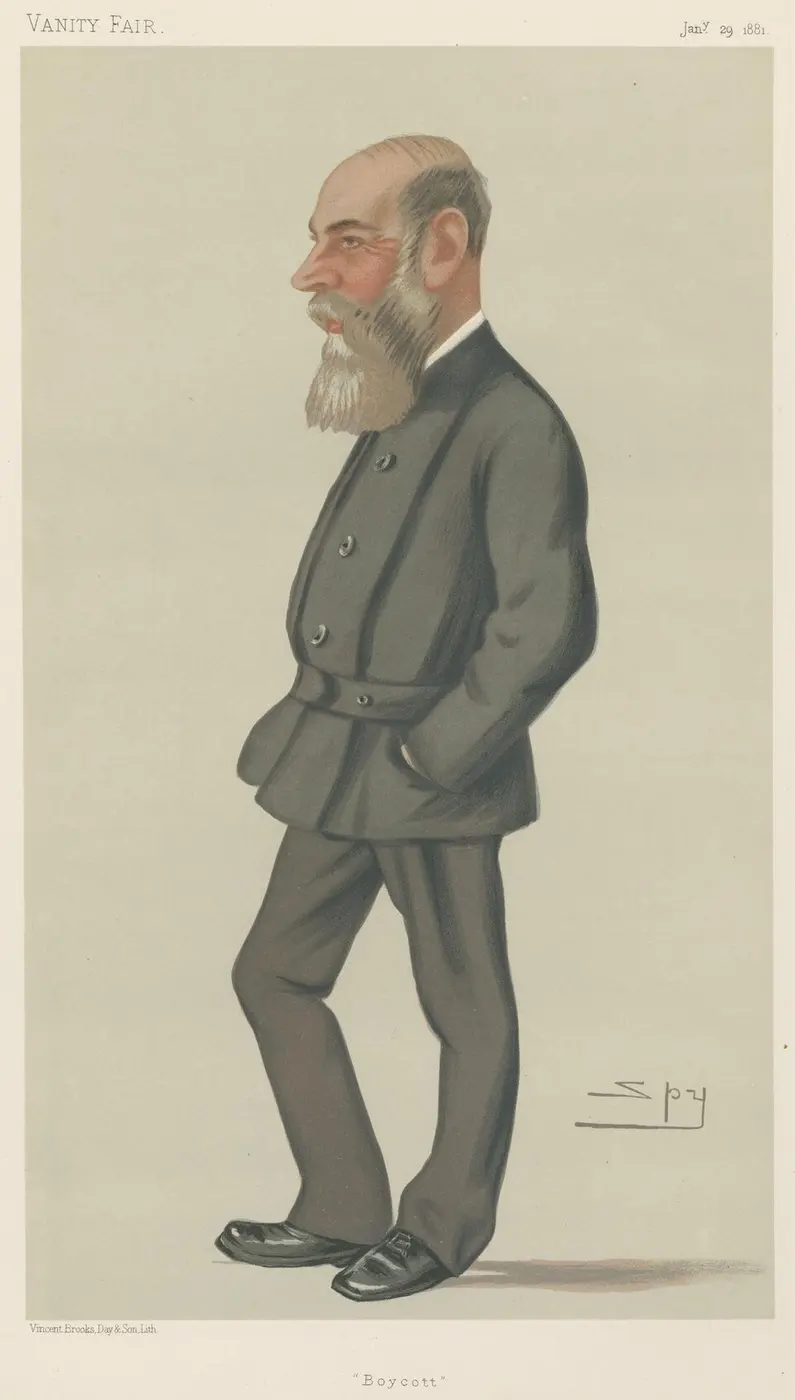
It was originally someone’s surname: that of Charles Boycott, a 19th-century Englishman. So what happened to him?
A land agent in Ireland
Charles Cunningham Boycott was born in England in 1832. After a spell in the army, from 1873 he worked in County Mayo in the west of Ireland as a land agent, managing the estates of an English aristocrat, the Earl Erne. His job was to collect rent from the tenants and run the estate.
In Ireland at the time, much of the land was owned by Anglo-Irish or English landlords, and farmers lived as tenants paying rent. Bad harvests at the end of the 1870s left more and more tenants unable to pay, and evictions followed one after another. In 1879, the Irish National Land League was founded to defend tenants’ rights.
In 1880, the tenants on the estate Boycott managed asked for a 25 percent cut in rent. The landlord offered 10 percent. With no agreement reached, in September Boycott began proceedings to evict tenants who had not paid.

“Not violence, but shunning”
Around the same time, Land League leader Charles Stewart Parnell called for a new form of resistance in a speech on September 19, 1880. If anyone took over land from which another had been evicted, people should not use violence. Instead, they should shun that person completely, on the road, in the town and in the shops, and leave him isolated.
The tactic was turned on Boycott first. The servants in his house and the laborers on his farm left one after another, and local shops stopped selling to him. The woman who did his laundry was ordered to give it up, and the messenger who carried his telegrams was reportedly threatened on the road. When harvest time came, there was no one to bring in the crops.
£500 of crops, £10,000 in costs
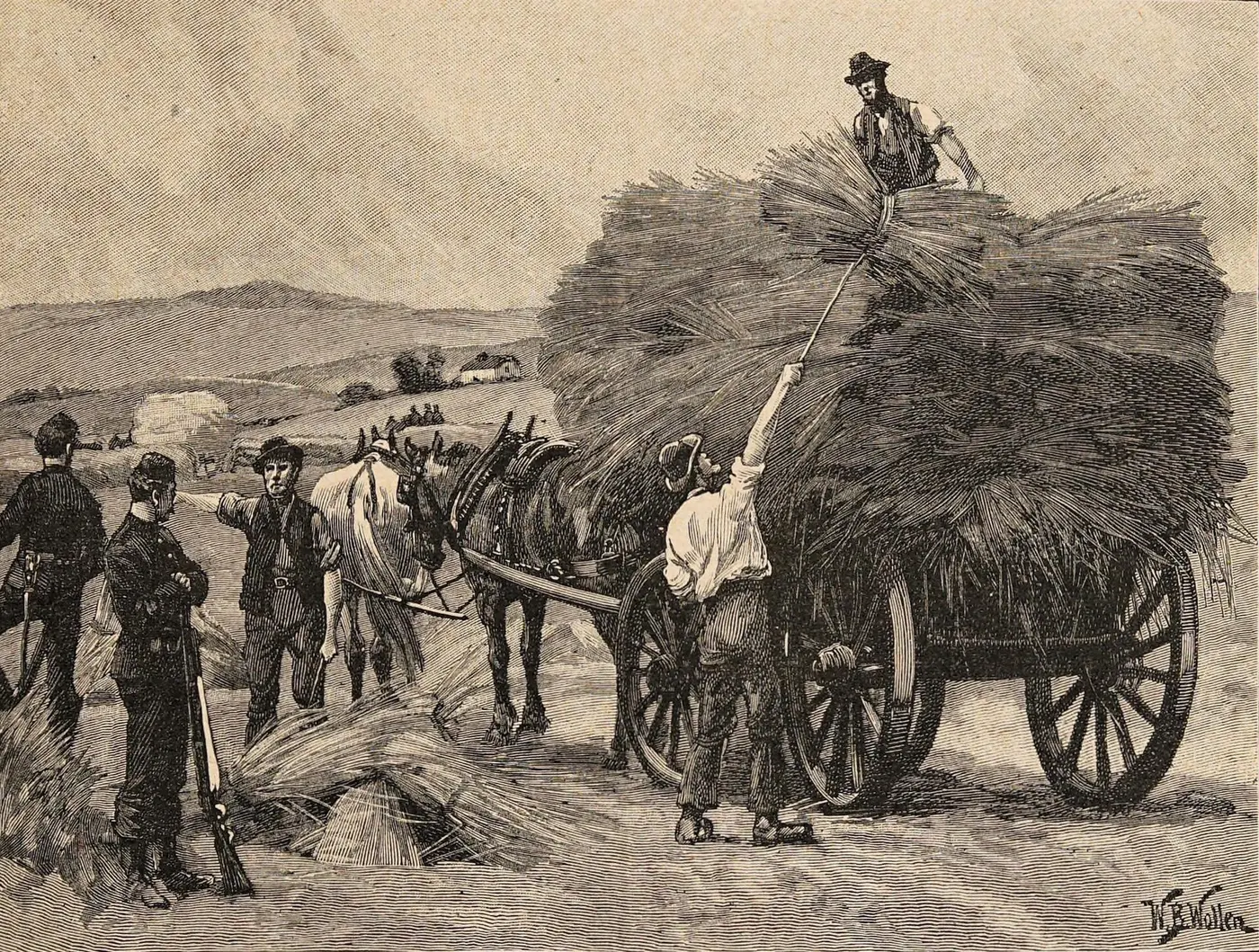
The affair was widely reported in the newspapers. In November, about 50 men came from Ulster in the north of Ireland to help with the harvest. To protect them, however, troops and more than 1,000 police officers had to be deployed.
The crops brought in were worth about £500, while the operation is estimated to have cost around £10,000. Protecting a modest harvest cost twenty times its value. In the end, Boycott and his family left Ireland by boat on December 1.

A name that became a word worldwide
It was that same autumn of 1880 that “boycott” began to be used as a verb. A local priest is said to have come up with it as a word for this kind of shunning. Boycott’s name spread rapidly through the newspapers, and “to boycott” took hold.
Before long the word was adopted into many languages, including French, German, Dutch, Italian, Polish and Russian. Japanese boikotto is one of them. The surname of a single land agent had become a word meaning “to shut someone out collectively” all over the world.
Boycott himself returned to England and died in 1897. One can only wonder how he felt watching his surname travel the world as a byword for protest.