Does the word “alcohol” come from a cosmetic?
Yes. It comes from the Arabic al-kuḥl, the black powder known as kohl that was used to line the eyes.
Beer, wine, sake, whisky. What makes all of them intoxicating is the alcohol, or ethanol, they contain. Alcohol is also what we rub on our hands to disinfect them, something few of us think twice about anymore.
Follow the word back, though, and it leads somewhere that has nothing to do with drinking: a black powder used as eye makeup.
“Al” is Arabic for “the”
Alcohol comes from the Arabic al-kuḥl. According to the Heibonsha World Encyclopedia, al is the Arabic definite article, the equivalent of “the,” and kuḥl means a fine powder, specifically a kind of black powder used as a pigment since ancient Egyptian times.
Several other European words kept the Arabic article when they were borrowed. Alkali comes from an Arabic word for plant ashes. Alchemy is another, and so is elixir, the miracle medicine alchemists searched for, from the Arabic al-iksīr.
You may occasionally come across the claim that alcohol comes from a different Arabic word meaning something like “evil effect.” Major dictionaries and encyclopedias, however, trace it to al-kuḥl, the cosmetic powder.
Ancient Egyptian eyeliner
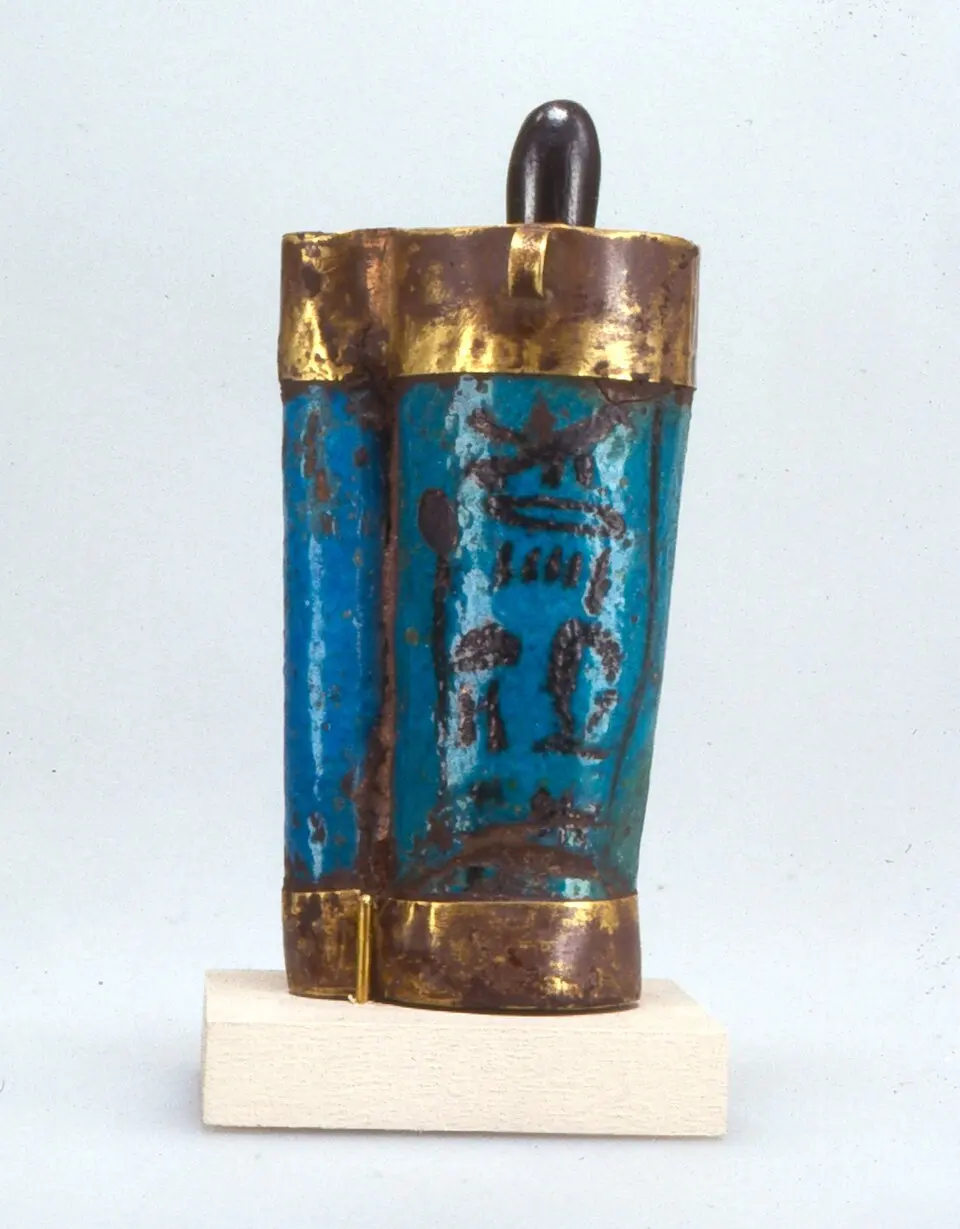
Kuḥl, or kohl, is a cosmetic used to darken the eyelids and eyebrows. According to the World Encyclopedia, kohl and the tools for applying it have been found in tombs of Egypt’s 18th Dynasty, which ruled from roughly the 16th to the 14th century BC. Ancient Egyptians painted kohl and green pigments around their eyes to ward off eye disease and to protect them from the harsh sun. The powder was made from minerals such as antimony sulfide and lead sulfide.

From powder to distilled essence
So how did the name of a cosmetic powder become the name of what is in our drinks?
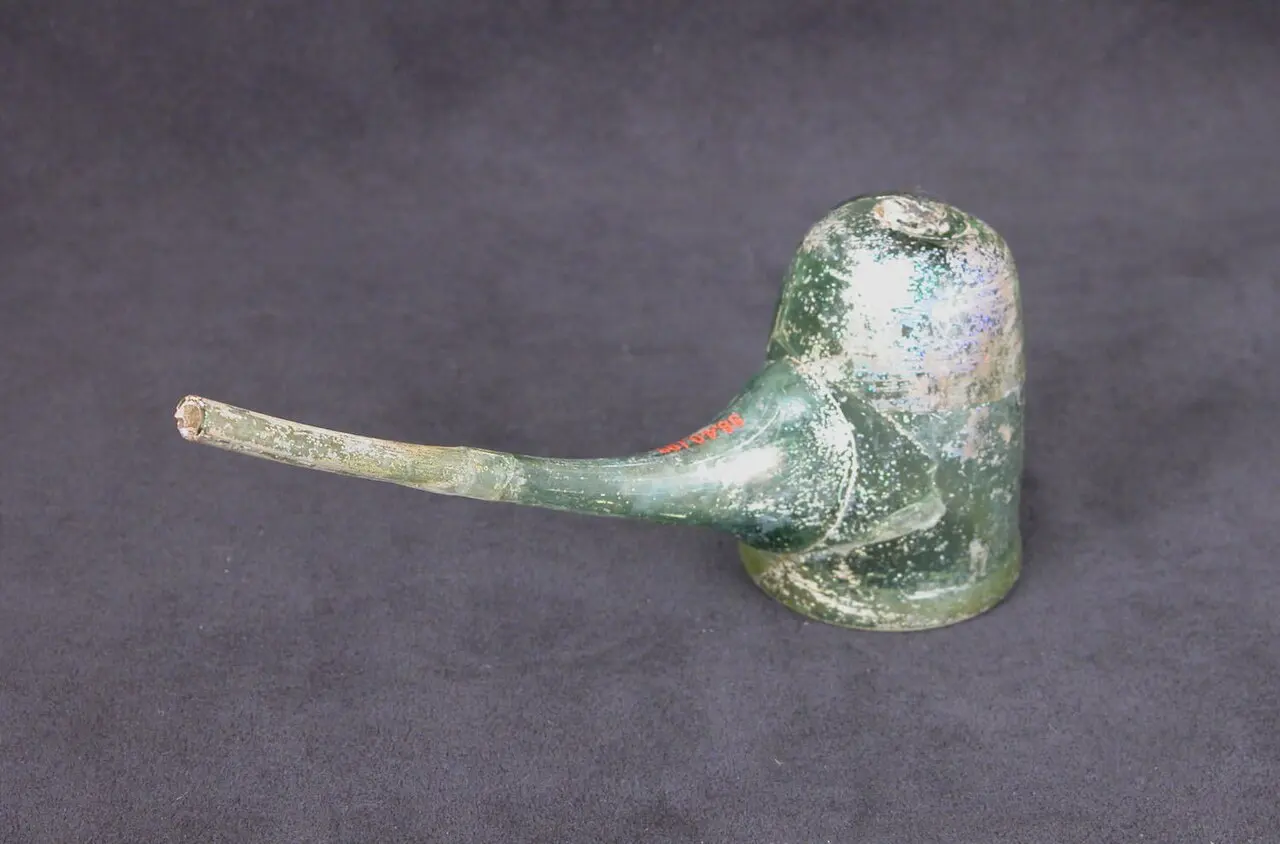
The word reached medieval Europe along with Arabic learning in chemistry and medicine, and was written in Latin as alcohol. Its meaning widened from the black powder to any very fine powder, such as one produced by grinding. The earliest English example in the Oxford English Dictionary dates from 1543: an English translation of a surgical textbook explains that alcohol means “most fine powder.”
According to the World Encyclopedia, one way of making such fine powders was sublimation: heating a substance until it turns into vapor, then cooling it so that it solidifies again. From there the meaning shifted, and the product of distilling wine came to be called alcohol as well. It was, in a sense, the pure essence drawn out of a substance. By the end of the 16th century, English had the phrase “alcohol of wine,” meaning the spirit of wine obtained by distillation.

A name for drink only in the 19th century
Alcohol came to mean the intoxicating ingredient of drinks, and drinks themselves, only in the early 19th century. The Oxford English Dictionary’s earliest example of this sense is from Sir Walter Scott’s 1818 novel The Heart of Midlothian. It was also from the 19th century that chemists began using “alcohol” as a general name for a whole family of related compounds, such as methanol.
The word entered Japanese from Dutch and English. The Nihon Kokugo Daijiten, Japan’s largest dictionary, cites the chemical sense in Shokugaku Keigen, a botany book from 1833. A Japanese translation, shusei, literally “spirit of sake,” was also coined, and appears in a pharmacology book from 1862. In the sense of a drink, it appears in a comic novel from 1874–76, listed alongside wine and beer.
From a black powder on the eyelids to the spirit of wine and then to the stuff in our glasses, the word alcohol has traveled a very long way over thousands of years.