Where does “gomakasu,” the Japanese word for fudging things, come from?
No one is sure. One theory points to a hollow Edo-period sesame cake, another to fake temple ash peddled by con men. The usual kanji spelling, which suggests a demon in disguise, is just a phonetic stand-in.
Changing the subject with a quick excuse, or quietly adjusting the figures in a ledger: in Japanese, that is gomakasu, to gloss over, fudge or cheat. The word is often written with kanji meaning “error,” “demon” and “transform,” which gives it the air of something sinister in disguise.
According to the Nihon Kokugo Daijiten, Japan’s largest dictionary, those kanji, and other spellings like them, are ateji: characters borrowed for their sound, not their meaning. So where did the word come from? The dictionaries offer two theories, one about a sweet from the Edo period (1603–1868) and one about an esoteric Buddhist ritual.
A word from the late Edo period
The earliest example of gomakasu in the Nihon Kokugo Daijiten is from the first part of Ukiyodoko (“The Barbershop of the Floating World”), a comic book by Shikitei Sanba published in 1813. Built around the chatter of townsmen at a barbershop, it has a character mention people who could gomakasu, or fake, the elegant Takimoto school of calligraphy well enough to write model copybooks.
The noun gomakashi turns up later still, in Kanagaki Robun’s Aguranabe (“Sitting Around the Stew Pot,” 1871–72), from the early years of the Meiji era (1868–1912). Judging from the written record, gomakasu is a fairly young word that emerged in the late Edo period.
A hollow sesame cake
The first theory centers on a confection called goma-dōran. According to the Digital Daijisen dictionary, it was popular in Edo, today’s Tokyo, between about 1804 and 1830. It was made by mixing sesame seeds (goma) into wheat flour, kneading the dough with water and baking it until it puffed up, leaving the inside hollow.
A dōran was a square pouch of leather or cloth. According to the Nihon Kokugo Daijiten, it started out as a cartridge case worn at the waist, and later held seals, medicine, coins or tobacco. The sweet, then, was a “sesame pouch,” with nothing inside.
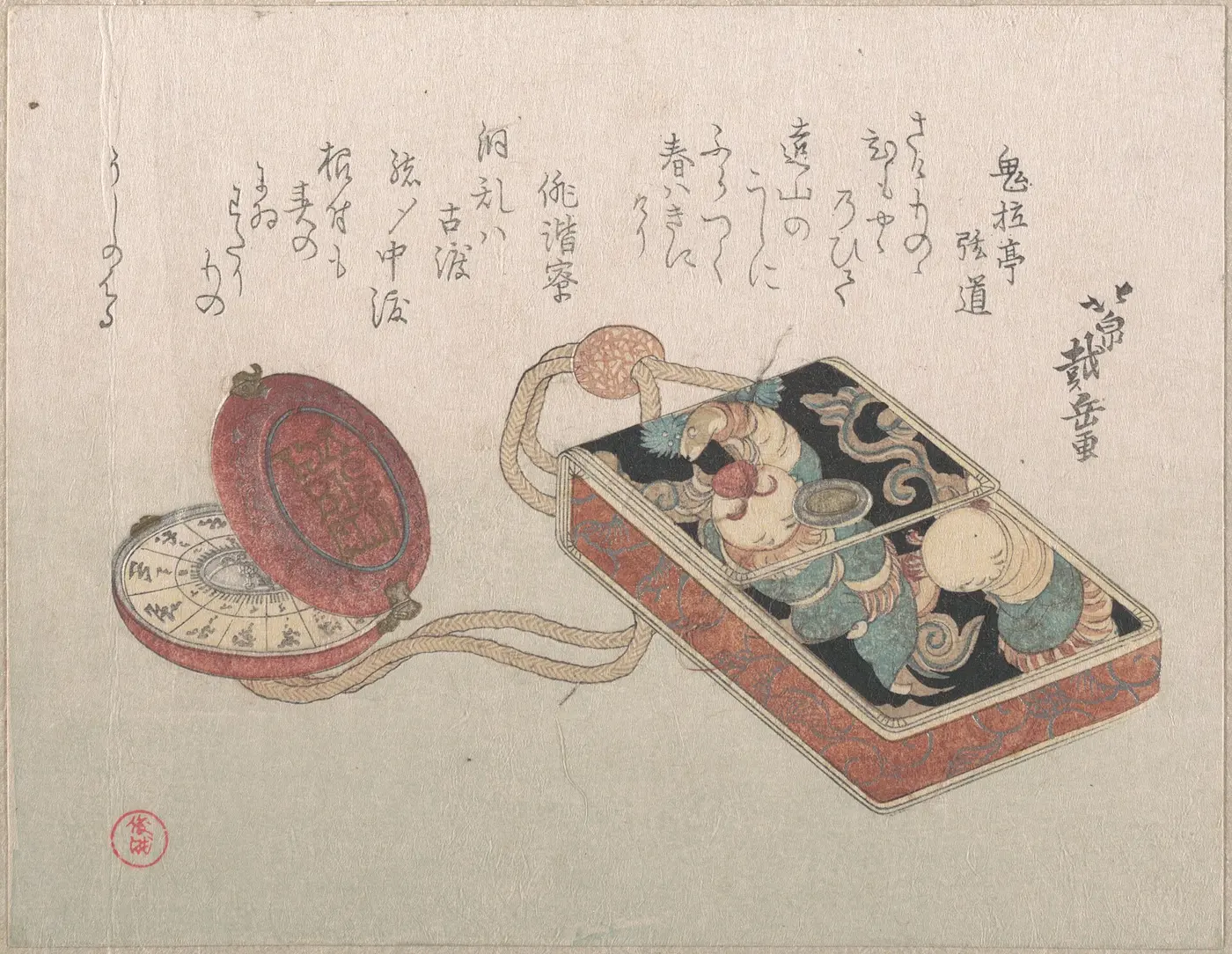

Puffed up on the outside, empty on the inside: goma-dōran also became an insult for a person who looked impressive but had nothing to offer. The Nihon Kokugo Daijiten cites a comic book from 1780 in which someone is sneered at as a goma-dōran. According to the first theory, people called the sweet goma-kashi, “sesame cake,” and that gave rise to gomakasu.
Ash from the sacred fire
The second theory involves goma, the fire ritual of esoteric Buddhism. The name comes from the Sanskrit homa, “burning” or “offering into fire.” A priest burns sticks of wood before a deity such as Fudō Myōō and prays for protection from disaster and other blessings. According to the encyclopedia Sekai Daihyakka Jiten, people also widely believed in swallowing the ash and charred wood from the ritual or keeping them as charms, and the most famous of all was the ash from the Okunoin, the inner sanctuary on Mount Kōya, the great monastic center founded by the monk Kūkai.
Then came the swindlers. According to the Digital Daijisen, some men disguised themselves as Mount Kōya’s wandering monks and went around pushing ash on people, claiming it came from goma rituals performed by Kūkai himself. Goma no hai, “goma ash,” became a name for con men and then for thieves who posed as fellow travelers on the highways and made off with their companions’ belongings. The Nihon Kokugo Daijiten has examples from 1704 and around 1714. The phrase was later also written goma no hae, “fly on the sesame,” though the dictionary considers goma no hai the original form.
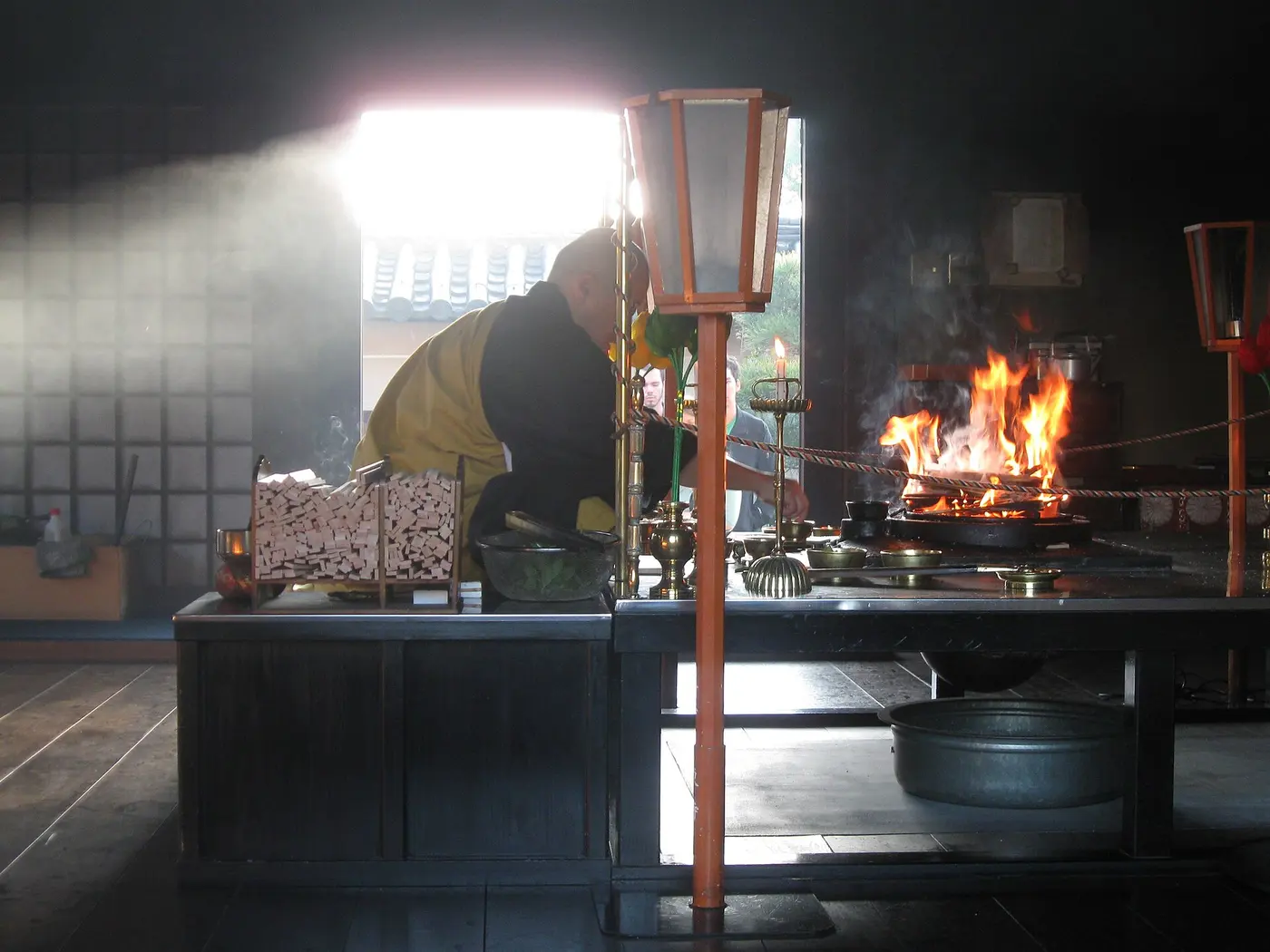

According to the second theory, gomakasu is this goma plus -kasu, the ending found in verbs such as magirakasu (to distract) and damakasu (to trick).
The verdict
Which is more likely? The Nihon Gogen Daijiten, a large etymological dictionary published in 2005, lays out both and dismisses the sweet: it notes that the theory rests on passages such as one in Matsunoya Hikki, an Edo-period essay collection that mentions goma-dōran as a cake that looks tasty but has no substance, and concludes that the theory is “probably not valid.”
That does not prove the ash theory, though. The same dictionary offers it only as a guess. And the encyclopedia Britannica Kokusai Daihyakka Jiten mentions a theory running the other way, that the thieves were called goma no hai because of gomakasu. Which came first is still unclear, and the origin of the word remains, fittingly, a bit of a cover-up.