How is the order of the Olympic parade decided?
Greece goes first and the host country goes last. Everyone else marches in the alphabetical order of the host’s language, and lately the next hosts have moved to the end, just before the host.
1928
The parade of athletes is one of the highlights of every Olympic opening ceremony. According to the International Olympic Committee (IOC), the number of teams taking part grew from 22 at London 1908 to 205 National Olympic Committees, plus the Refugee Olympic Team, at the Tokyo Games, which were held in 2021.
With that many teams, there has to be a system. Yet the system is not actually spelled out in the Olympic Charter, the rulebook of the Olympic Movement. The IOC itself describes it as “tradition.”
Greece first, hosts last
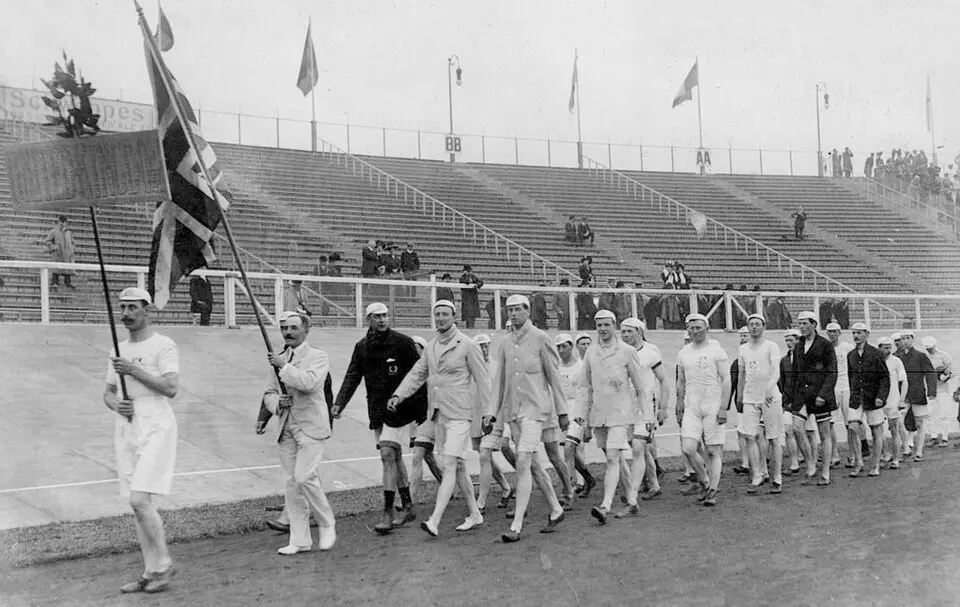
Athletes first marched behind their national flags at London 1908. According to the IOC’s official website, that was the first time competitors paraded behind their country’s flag in sportswear.
Greece first took the lead at Amsterdam 1928. The IOC says that at that opening ceremony the Greek team headed the parade and the Dutch hosts marched in last, and that “Greece-first, hosts-last has been Olympic protocol ever since.” Greece, after all, is home to the ancient Olympic Games, and it hosted the first modern Games in 1896.

What happens when Greece itself is the host? At Athens 2004, the Greek flag entered first while the Greek team came in last, as Olympedia, the online database of Olympic history, notes.
The host’s alphabet in between
Between Greece and the host, the teams parade in alphabetical order according to the language of the host country. This, too, the IOC calls tradition. The current Olympic Charter says only that the opening and closing ceremonies must follow the IOC Protocol Guide and other requirements. It does not lay out the marching order itself.
That is why the same country can turn up at very different points from one Games to the next. At Tokyo 1964 the order followed the English alphabet. An IOC article on the ceremony notes that the big American and Soviet teams entered “one after the other (in alphabetical order).” As USA and USSR, they sit side by side. In Japanese, Amerika and Soren (the Soviet Union) are nowhere near each other.
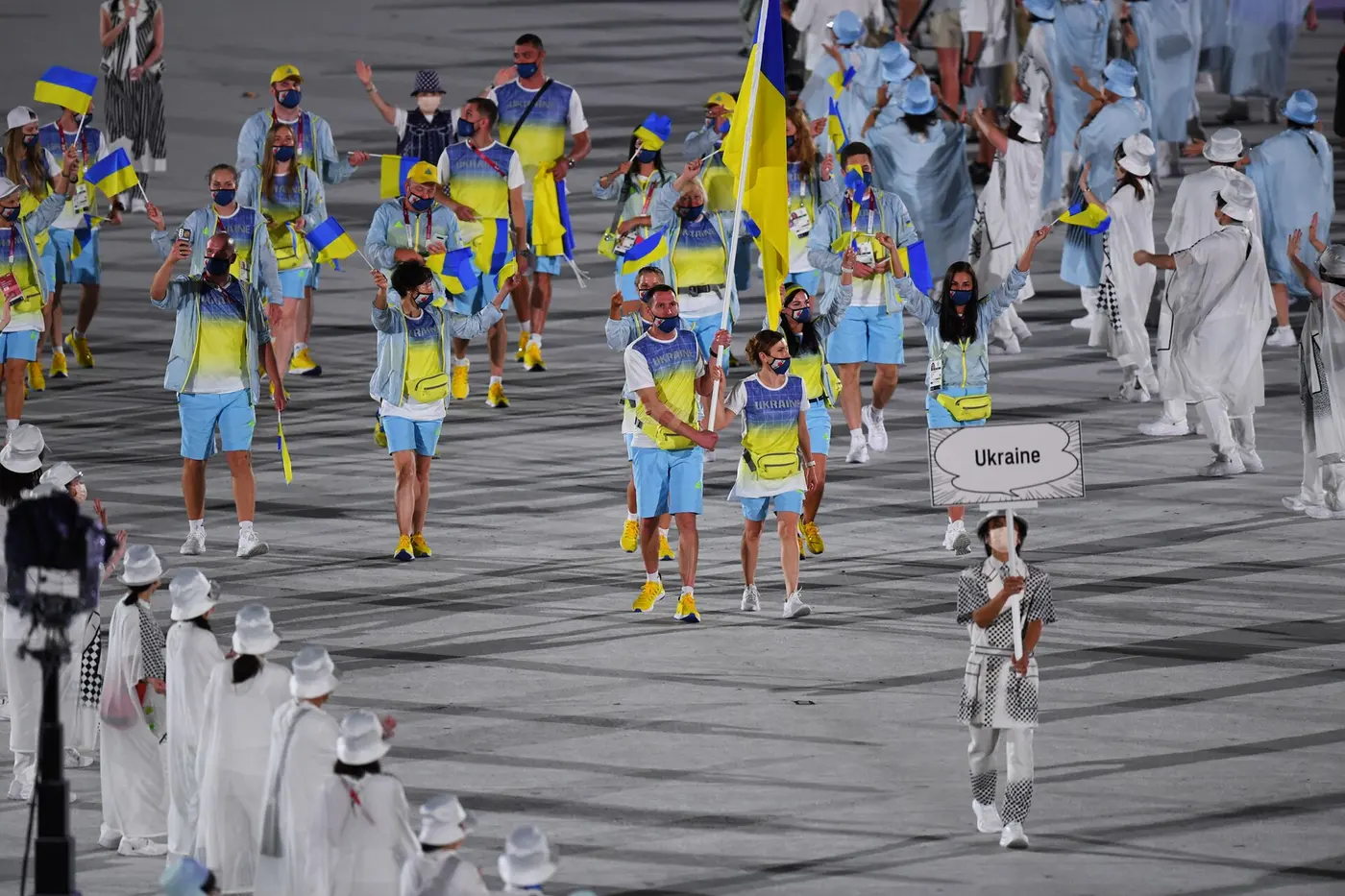
When Tokyo hosted again in 2021, the order followed the Japanese syllabary, the kana chart that runs a, i, u, e, o, then ka, ki, ku, ke, ko, and so on. After Greece and the Refugee Olympic Team, the third team in was Iceland, Aisurando in Japanese. In China, where names are written in characters, the order has been based on the number of brush strokes instead.

Future hosts near the end
Tokyo brought another change. According to the IOC, from those Games onward, the teams of future host countries march just before the current host, to strengthen the emphasis on future hosts in the stadium and among the global audience. The last three teams at Tokyo were the United States (host in 2028), France (2024) and Japan.
At Paris 2024, the athletes paraded by boat along the Seine. According to CBS News, the last three teams were Australia, which hosts in 2032, the United States and France. And according to NBC, the Milano Cortina Winter Games in February 2026 closed the same way, with the United States (2034 Winter Games), France (2030) and finally Italy.
A team without a country
One team in the parade carries no national flag at all: the Refugee Olympic Team, made up of athletes who have fled war and persecution. According to the IOC, at Rio 2016 and Tokyo it marched behind the Olympic flag.
At Rio, where it made its debut, the team’s 10 athletes entered just before the host Brazilians, to loud applause. Their flag bearer, Rose Nathike Lokonyen, had fled the war in South Sudan. Since Tokyo, the Refugee Olympic Team has entered second, right after Greece.