What do the colors of the Olympic rings mean?
Its designer said the five colors plus the white field were chosen so every nation’s flag could be drawn.
6colors
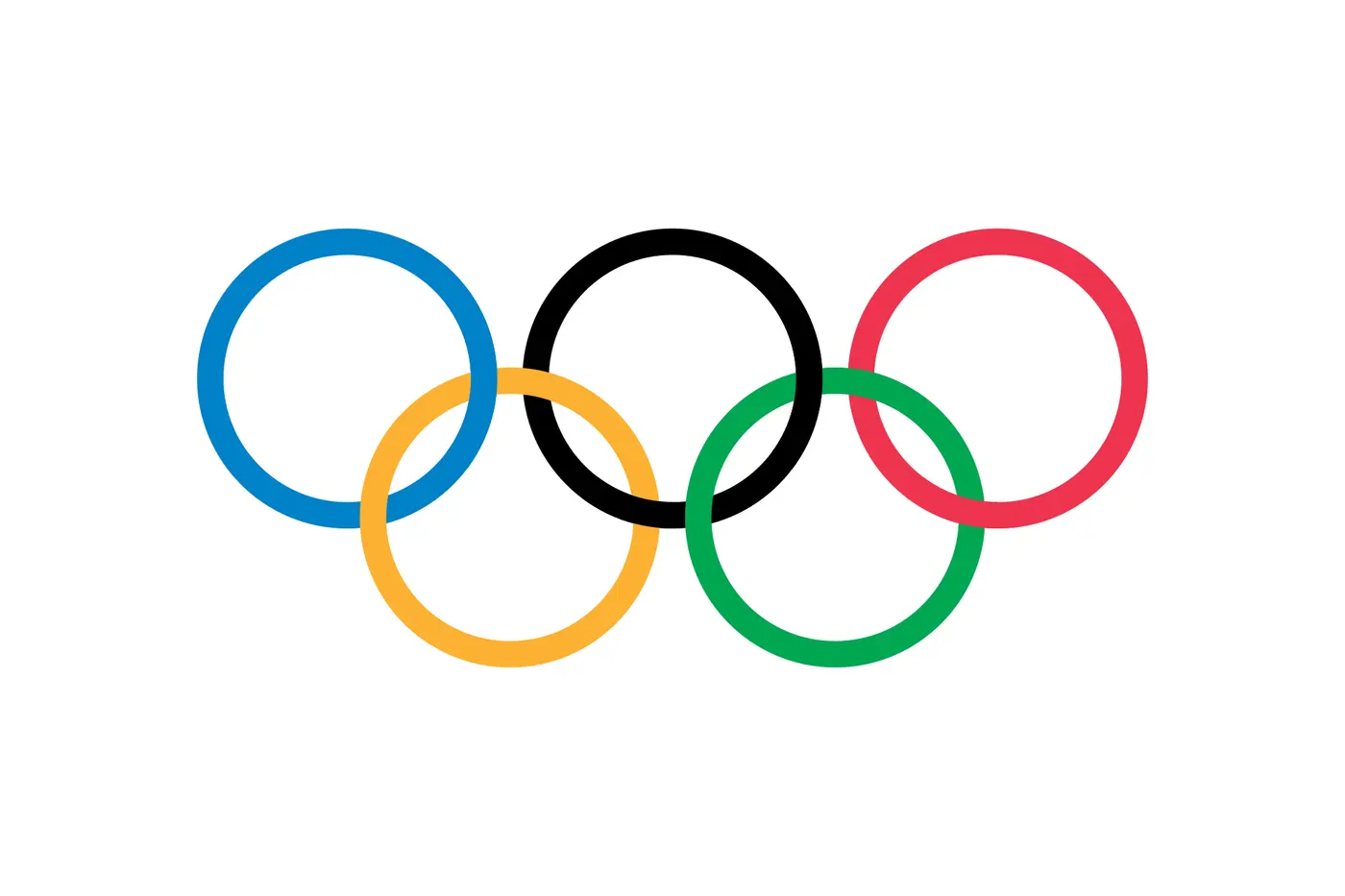
Five interlocking rings, blue, yellow, black, green and red, on a white field. The Olympic symbol is surely one of the best-known emblems in the world.
You may have heard that each color stands for a continent: blue for Europe, yellow for Asia, black for Africa, and so on. Yet the man who designed the symbol left behind a completely different explanation.
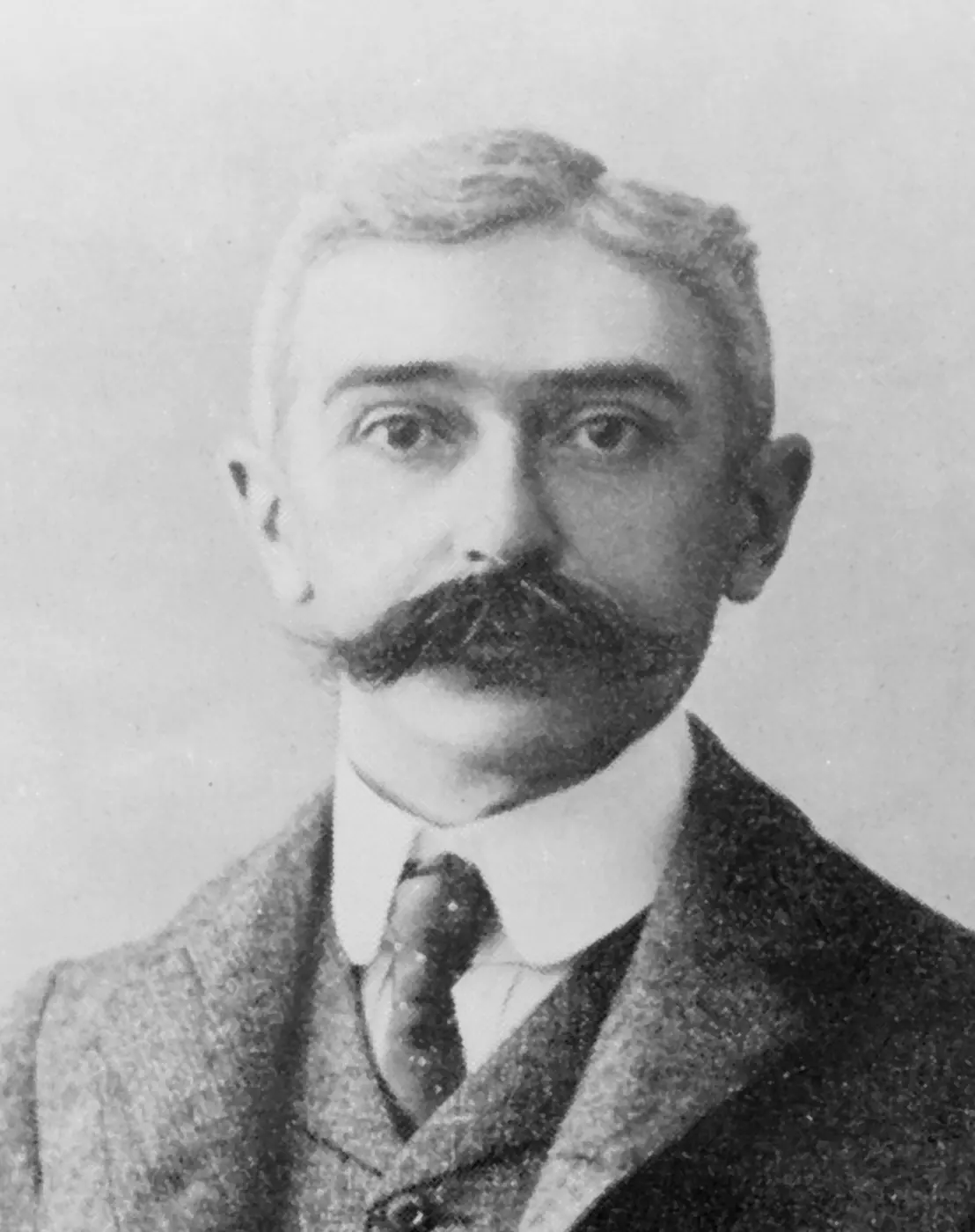
Coubertin’s five rings
The Olympic rings were devised by Pierre de Coubertin of France, the man known as the father of the modern Olympic Games. He came up with the design of five linked rings in 1913 and presented it that August in the journal of the International Olympic Committee (IOC). The following year, in 1914, a flag bearing the symbol was unveiled at a congress celebrating the IOC’s 20th anniversary.
The arrangement follows set rules. The top row runs blue, black and red from left to right; the bottom row, yellow and green. The five rings interlock so that they form a single connected chain.
Coubertin explained that the five rings represented the “five parts of the world” that had embraced the Olympic movement. So the number of rings really was tied to the idea of continents and regions.

Colors for every flag
What about the colors, then? In a text from 1913, Coubertin wrote something to this effect:
Combined in this way, these six colors, the white background included, reproduce the colors of every country without exception.
As examples he cited the blue and yellow of Sweden, the blue and white of Greece, the tricolors of France, Britain, the United States, Germany, Belgium, Italy and Hungary, and the yellow and red of Spain, and he also mentioned the flags of Brazil, Australia, Japan and China. Japan had competed in the Olympics for the first time just the year before, at the 1912 Stockholm Games.
In other words, the five ring colors and the white background were chosen so that every national flag of the day could be drawn using these six colors. Whatever country’s flag you look at, its colors appear somewhere on the Olympic flag. Rather than pointing to any particular country or region, the design let every nation find its own colors in a single flag. That was the meaning Coubertin intended.
Where did the “one color per continent” idea come from?
So where does the familiar “this color means that continent” explanation come from?
As it happens, the IOC itself once said so. In materials from 1949 to 1950, it assigned blue to Europe, yellow to Asia, black to Africa, green to Australia, and red to the Americas. But there was no evidence that Coubertin had intended any such thing, and the explanation was withdrawn in 1951.
Today the Olympic Charter says the symbol represents the union of the five continents, while making clear that no ring stands for any particular continent. The number of rings carries the idea of continents, but matching each color to a continent is a popular explanation that spread later.

First raised at Antwerp
Soon after the symbol was born, the world plunged into the First World War. The Berlin Games planned for 1916 were canceled, and for a while the Olympic flag had no Games at which to fly.
The flag was first raised at an Olympic Games in 1920, after the war, in Antwerp, Belgium. A world freshly scarred by war saw a flag that held every nation’s colors. For more than a hundred years since, the five rings have climbed into the sky at the opening ceremony of every Summer and Winter Games.