What is the “curse of the ninth”?
A superstition that composers who write a Ninth Symphony die before finishing a Tenth. It grew out of coincidence.
Classical music has a piece of folklore known as the “curse of the ninth.” It holds that a composer who writes nine symphonies will die without completing a tenth.
It started with Beethoven. When he died in 1827, he had finished his Ninth and left only sketches for a Tenth. As other composers also ended their lives with a Ninth, people began to whisper that the number nine was cursed.
Mahler took it seriously
The composer who did most to spread the superstition was the Austrian Gustav Mahler.
After completing eight symphonies, Mahler wrote Das Lied von der Erde (“The Song of the Earth”), a large work for voices and orchestra, in 1908–1909. Its texts are German versions of classical Chinese poems, four of them by the Tang dynasty poet Li Bai, and in substance it is a symphony. But Mahler gave it no number, calling it only “a symphony for tenor, alto (or baritone) voice and orchestra.” He is said to have feared that if he called it his Ninth, he too would die.
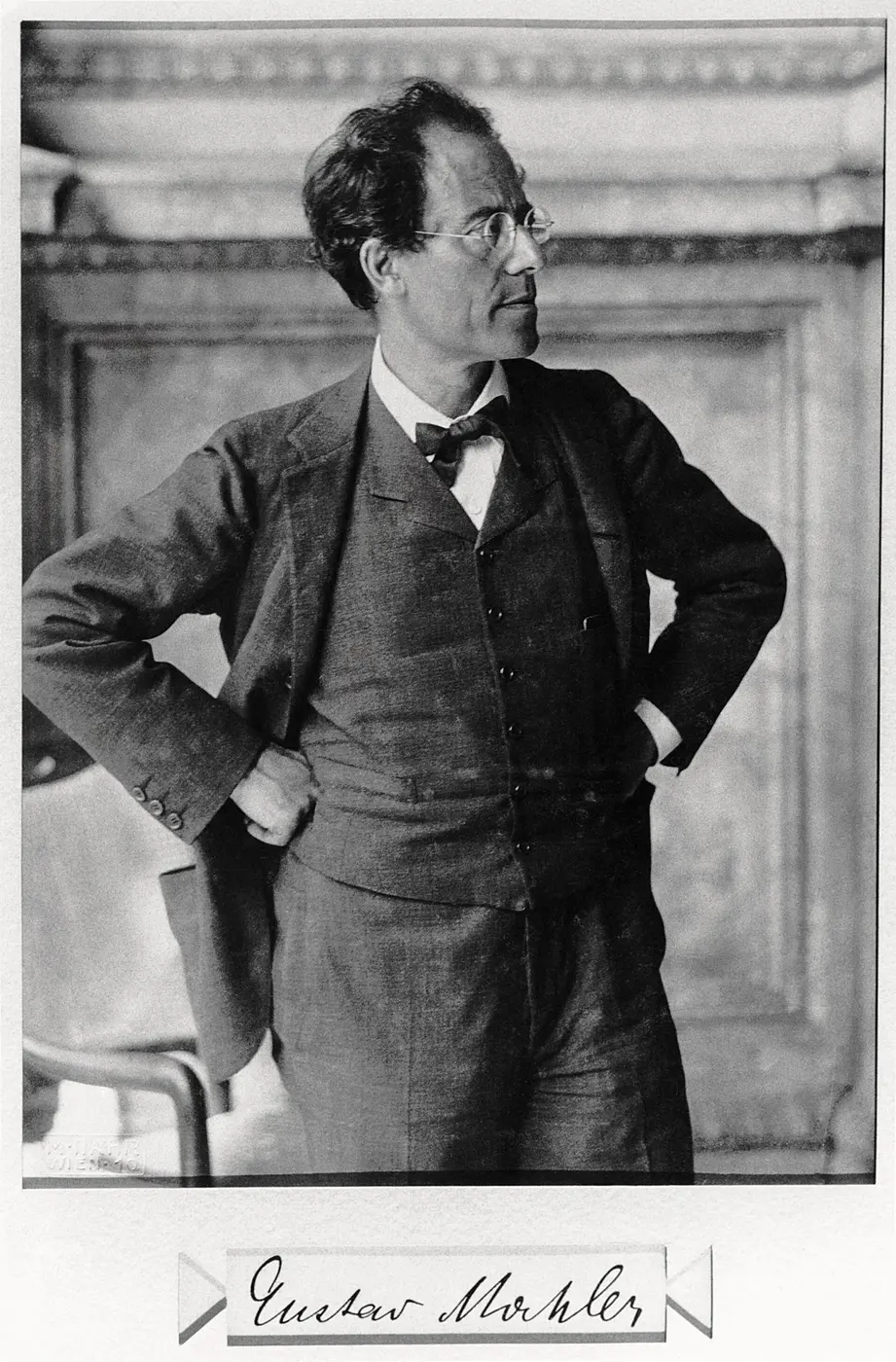

He called his next symphony No. 9. Since it was really his tenth, perhaps he felt he was safe. He went on to start a Tenth, but fell ill when only its first movement was close to finished, and died on May 18, 1911, at the age of 50. He never heard the premieres of either the Ninth or Das Lied von der Erde.
The Tenth survived as a five-movement plan in fairly detailed sketches. Later, the English musicologist Deryck Cooke and others filled in the gaps and completed the orchestration to produce a performable version. Today Mahler’s “Tenth” is sometimes played in full.
“The Ninth is a limit”
Arnold Schoenberg, a composer who revered Mahler, said this in a 1912 lecture in his memory:
It seems that the Ninth is a limit. He who wants to go beyond it must pass away. … Those who have written a Ninth stood too close to the hereafter.
Those words did much to make the curse of the ninth memorable.
Who fits, and who doesn’t
There are other examples. The Austrian Anton Bruckner died in 1896 while still writing the fourth movement of his Ninth Symphony. The English composer Ralph Vaughan Williams died four months after his Ninth was premiered in April 1958.
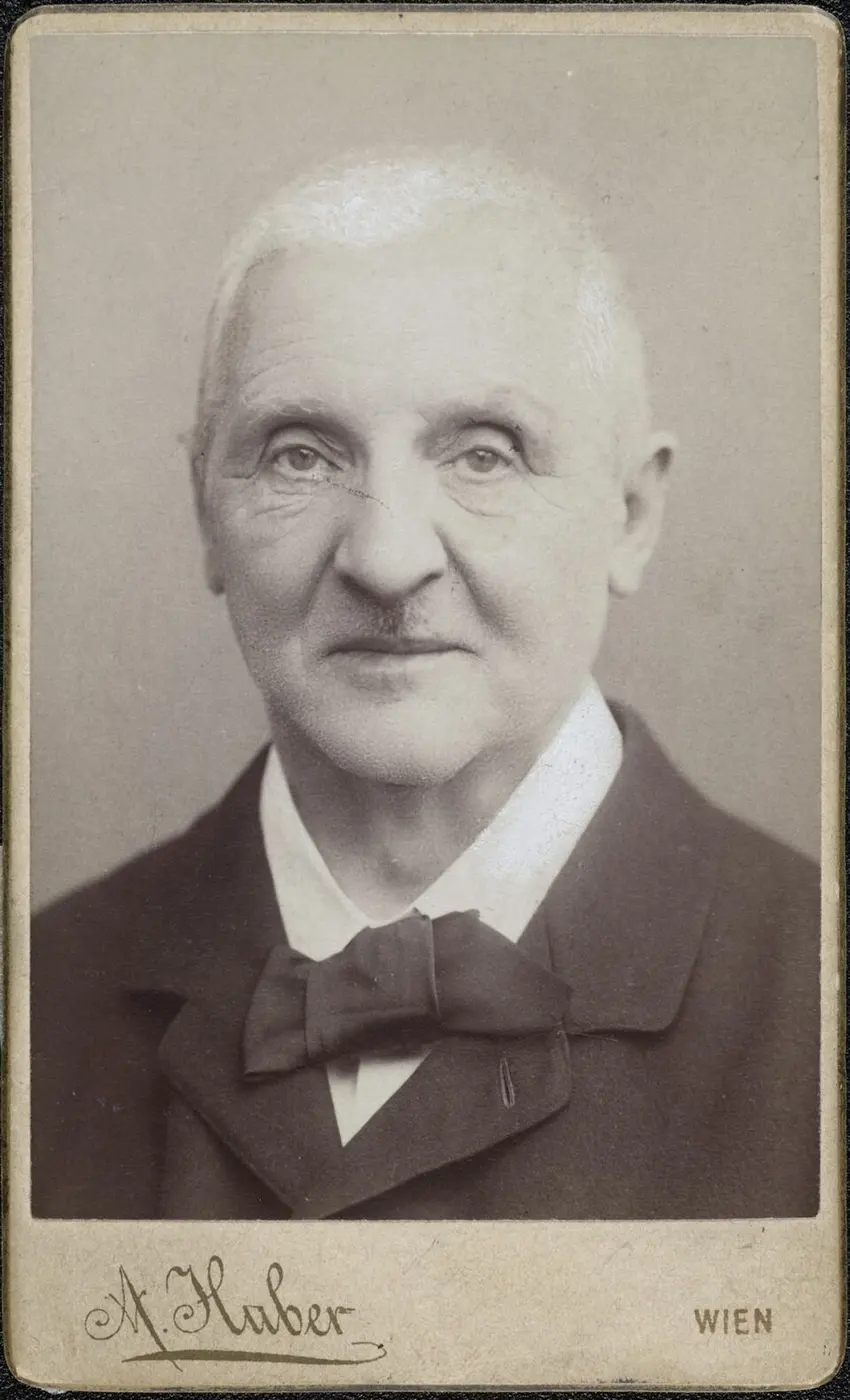

Look closely, though, and the counting gets shaky. Bruckner wrote two more symphonies without numbers, which makes eleven in all. Dvořák’s From the New World is now his No. 9, but only five of his symphonies were known in his lifetime, and it was first published as No. 5. Schubert’s “Great” C major symphony has been numbered 7, 8 or 9, depending on the source.
And plenty of composers went well past nine. Haydn has 104 numbered symphonies and Mozart 41, and in the twentieth century Shostakovich wrote 15. The curse of the ninth seems to be a coincidence, great composers writing a major work late in life and dying soon after, that has been retold so vividly it took on a life of its own.