Did tin buttons defeat Napoleon in Russia?
There is no evidence for it. Tin really can crumble in the cold, but most of Napoleon’s army was lost before the real winter arrived.
13.2°C
In June 1812, the French emperor Napoleon led an army often put at around 600,000 men into Russia. Half a year later, only a small fraction of them made it back across the border alive.
Chemistry books and trivia lists like to tell a story about this catastrophe. The soldiers’ uniform buttons, it goes, were made of tin, and in the bitter Russian cold they crumbled to powder. Unable to fasten their coats, the men froze to death one after another.
Tin really can get “sick”
The chemistry at the heart of the story is real. It is called tin pest, or tin disease.
Tin comes in two main forms: the familiar silvery, soft metal known as white tin, and a brittle form called gray tin. Below 13.2°C (55.8°F), pure white tin can transform into gray tin. Gray tin is less dense, so the metal swells by about 27 percent as it changes, cracking and eventually falling apart into a gray powder.
Once the change begins, it spreads outward from the gray patches, as though the metal had caught something infectious, which is how it got its name. There are even accounts of tin organ pipes deteriorating in cold churches.
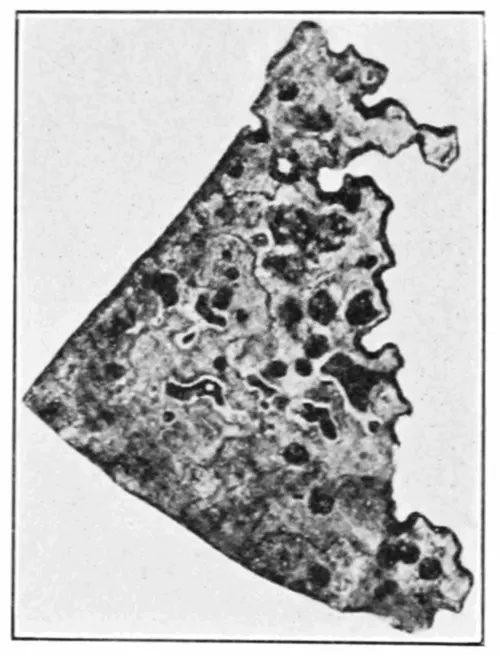

Where the button story falls apart
The tale became widely known after it lent its name to Napoleon’s Buttons, a popular chemistry book published in 2003. Yet no record from the time describes buttons disintegrating, and the theory has several weak points.
The first is time. Tin pest is slow and can take months or even years to get going, while Napoleon’s army met truly severe cold only in November, during the retreat. The second is the metal itself. Even small amounts of lead or other metals mixed into tin make the change much less likely, and there is no reason to assume the buttons were pure tin.
In fact, the buttons survived well enough to tell us who the soldiers were. In the autumn of 2001, construction work in Vilnius, the capital of Lithuania, uncovered a mass grave of Napoleon’s soldiers who died during the retreat. The clue that identified them was their uniform buttons, stamped with the imperial eagle and their regiment numbers.
Summer did the damage before winter
So what did defeat Napoleon? Much of the destruction happened during the summer advance, long before the snow.
The Russian army avoided a decisive battle and fell back, burning food and villages as it went. Napoleon’s supply lines could not keep up, men went hungry, typhus and dysentery spread through the summer, and soldiers deserted in large numbers. By some estimates the army had lost around 100,000 men before its first major battle. When it entered Moscow in September, roughly 100,000 men were left.
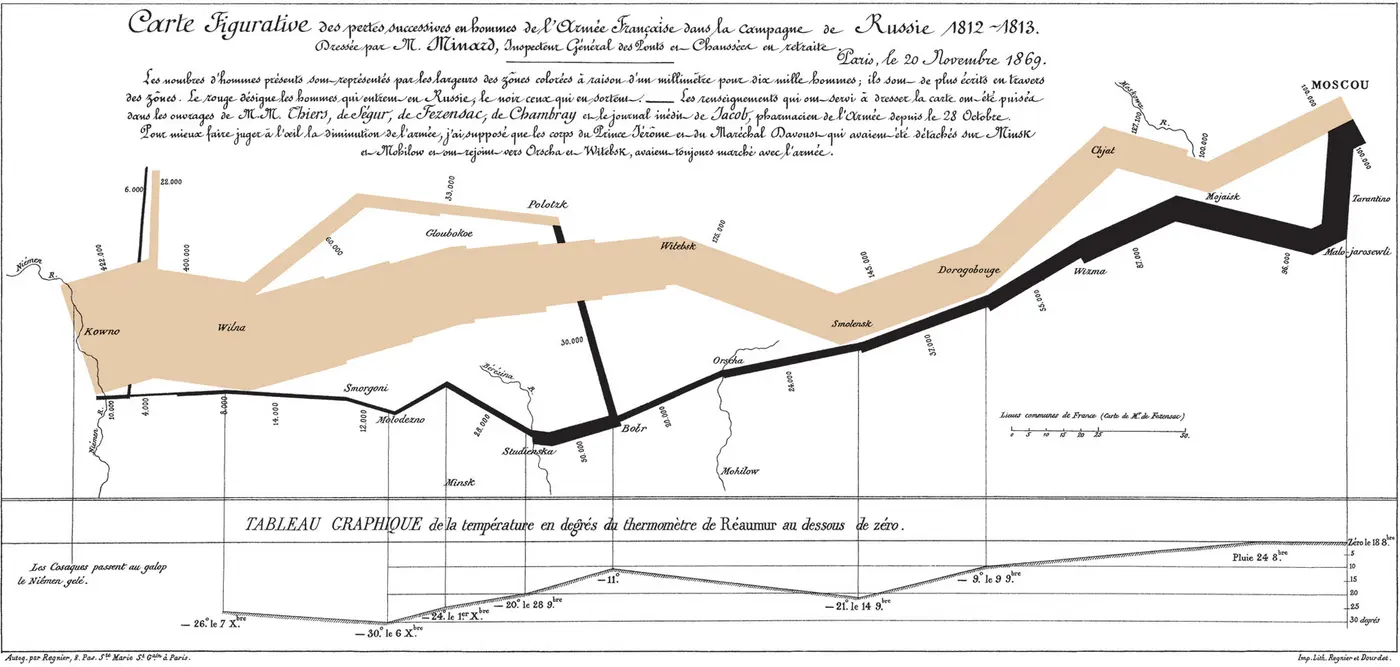

Science has backed up the role of disease. In 2006, a team led by French researchers analyzed the teeth of 35 soldiers from the Vilnius grave. They found DNA of the bacterium behind trench fever in seven of them, and of the one that causes epidemic typhus in three others. Both diseases are spread by body lice, and the researchers suggested they may have been a major factor in the French retreat.
The cold then struck an army that was already exhausted. Harsh weather set in during November, with temperatures reportedly falling as low as −30°C (−22°F), and crossing the Berezina River in late November cost many more lives. In the end, fewer than 100,000 men are thought to have made it home.