Who really said “Let them eat cake”?
Not Marie Antoinette. The line comes from “a great princess” in Rousseau’s autobiography, the Confessions.
“If they have no bread, let them eat cake.” As a symbol of royalty utterly out of touch with ordinary people, no line is more famous. And the person who said it, most of us remember, was Marie Antoinette, the French queen who went to the guillotine in the Revolution.
Yet no evidence survives that she ever said it. In fact, when the story was first written down, she had not even set foot in France.
It starts in Rousseau’s autobiography
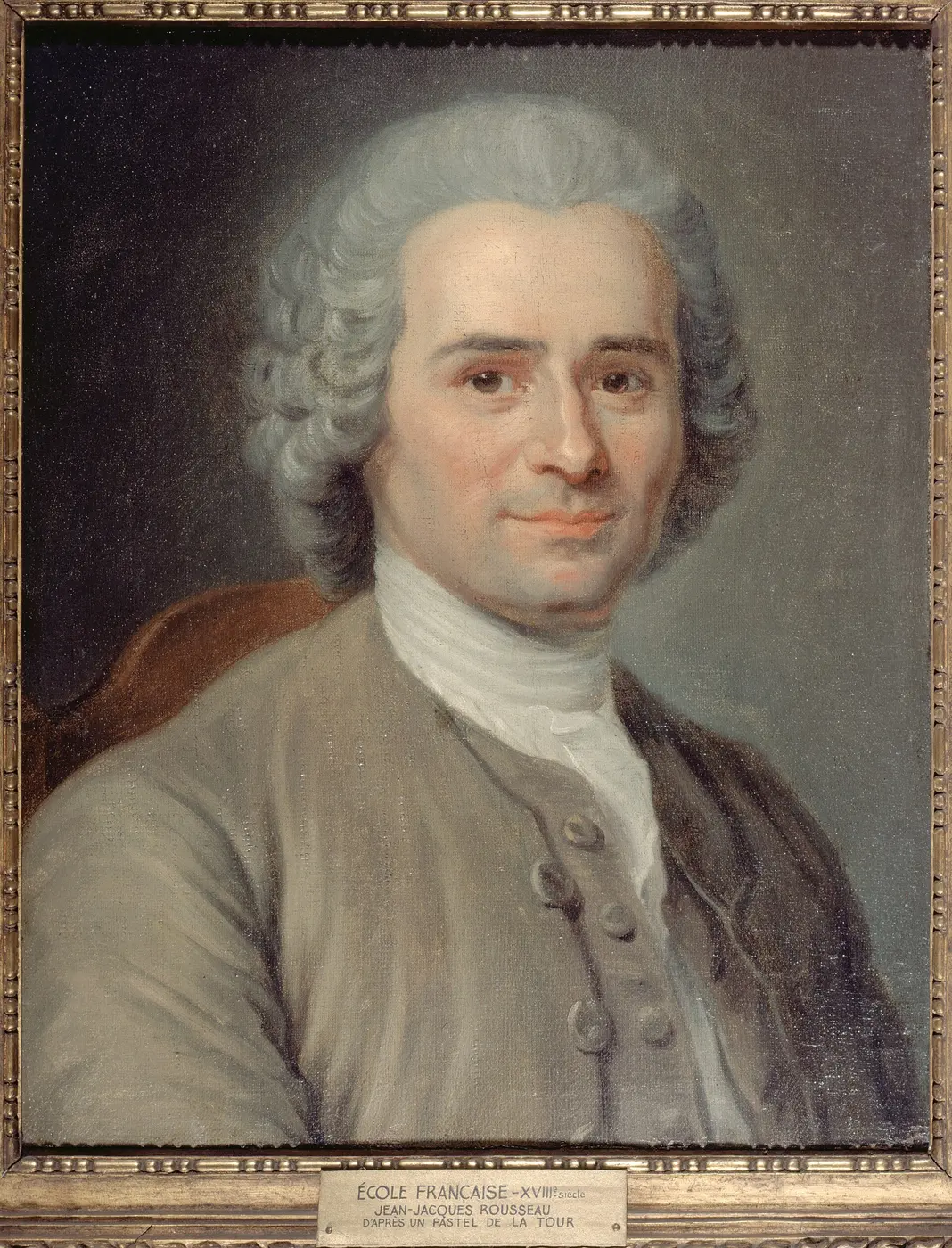
The oldest known source for the line is the autobiography of the philosopher Jean-Jacques Rousseau, the Confessions. In Book Six, the young Rousseau has gotten hold of some wine but has no bread to go with it. He is too well dressed to feel comfortable walking into an ordinary bakery. Then, he writes, he remembered a story:
At last I recalled the makeshift solution of a great princess who, on being told that the peasants had no bread, replied, “Then let them eat brioche.”
Rousseau never says who this “great princess” was. And since the Confessions is not regarded as a strictly factual record, the anecdote may even be his own invention.

Meanwhile, the future queen was a girl in Vienna
The problem is the timing. The first six books of the Confessions are said to have been written between about 1765 and about 1769. Marie Antoinette was born in 1755, so she was only around ten at the time. She was an archduchess living in Vienna, Austria, and did not come to Versailles to marry the heir to the French throne until 1770. It is hard to believe Rousseau had this little girl in mind as his “great princess.”
The book was published in 1782, after Rousseau’s death. By then she was queen, yet even the revolutionaries who attacked her most fiercely never quoted the line as hers. One of the earliest known writers to pin it on her was the author Alphonse Karr, in 1843, about half a century after the Revolution.
Not cake but brioche
In Rousseau’s original, what the princess recommends is brioche: a soft, slightly sweet bread rich with butter and eggs. It was a luxury, far more expensive than ordinary bread, and certainly an absurd suggestion for people who could not afford bread at all.
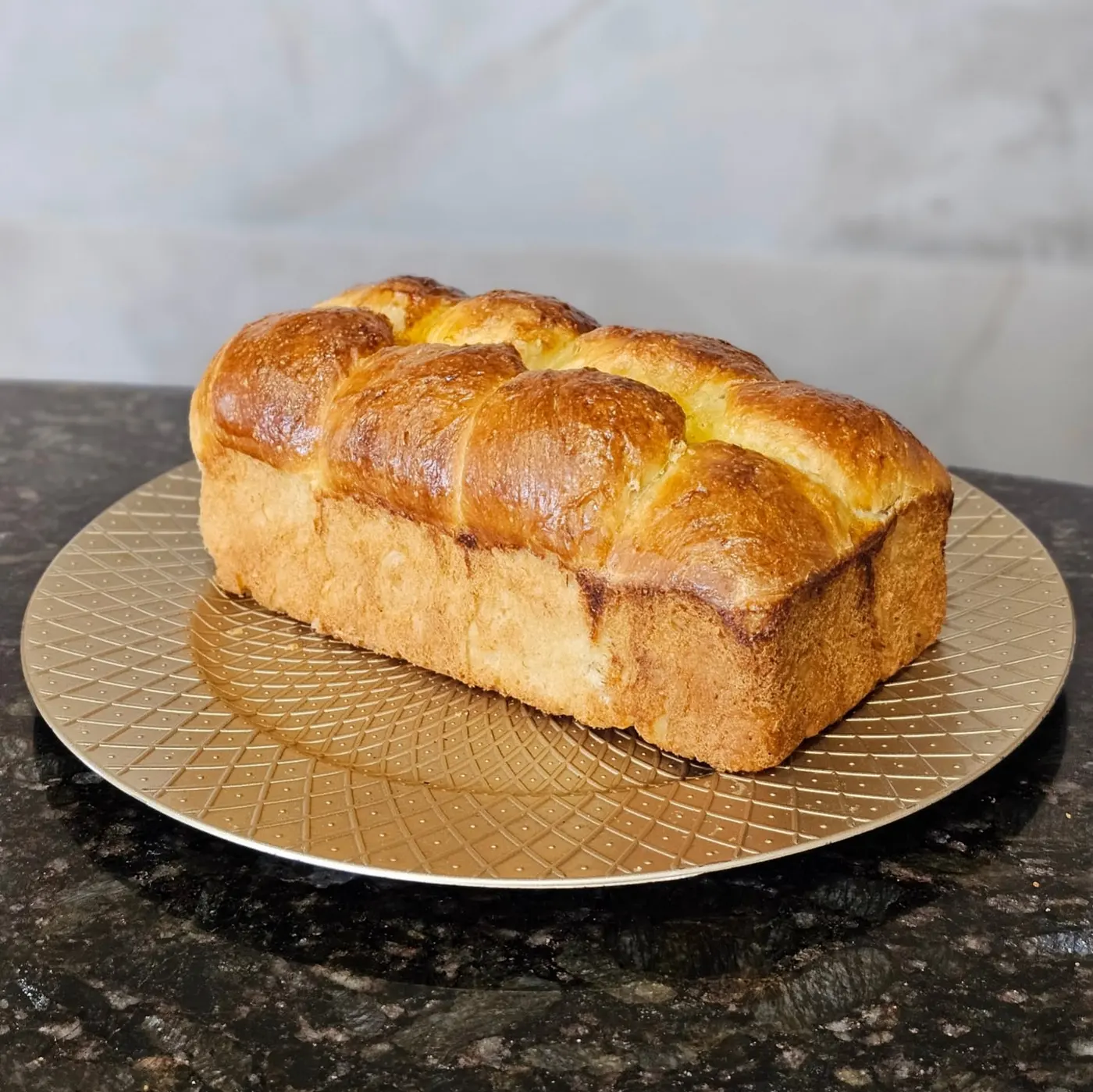

In English, “let them eat cake” became the standard translation, and in Japanese the phrase spread with okashi (お菓子), meaning sweets or confectionery. A food halfway between bread and dessert seems to have grown a little sweeter with every translation.
How did it become the queen’s line?
For the common people of France at the time, bread was the staple food, said to have eaten up about half their income. The price of bread was quite literally a matter of life and death. That is exactly why a remark that laughed off the people’s suffering in terms of bread struck such a nerve as satire.
Similar stories had been told about other royal women. The future king Louis XVIII wrote in his memoirs that the family believed the words came from Maria Theresa of Spain, wife of Louis XIV. The names of Louis XV’s daughters came up as well. The anecdote about “some noble lady,” it is thought, finally settled on the best-remembered figure of all: the last queen of Versailles.
The biographer Antonia Fraser points out that Marie Antoinette was a generous supporter of charity and was moved by the plight of the poor. Around the time of the 1775 riots known as the Flour War, she wrote to her family in Austria that, seeing how kindly the people treated them despite their own misfortune, they were more obliged than ever to work for the people’s happiness. Her extravagance may have been real, but that famous line was not hers.