Why does the Moon look bigger near the horizon?
Its actual size doesn’t change; it’s an optical illusion. But why the illusion happens is still unsettled.
0.5°
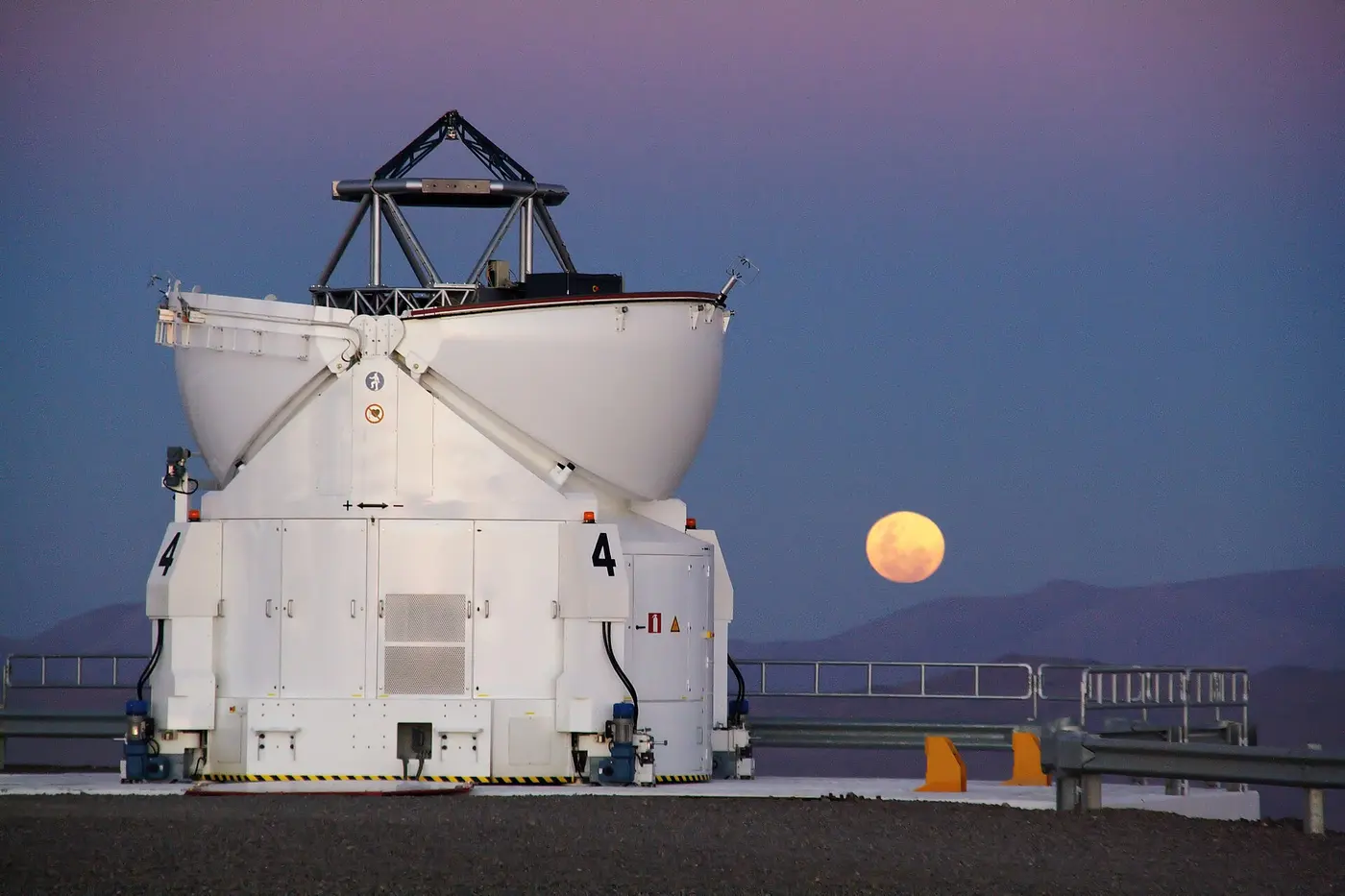
You glance at the eastern sky one evening and see a full Moon, low and enormous. Many of us have had that experience. Perhaps you’ve snapped a picture on your phone, only to be disappointed when the Moon on the screen turned out to be a small white dot.
This phenomenon, in which the Moon looks larger near the horizon, is called the Moon illusion. It’s a very old puzzle, with records going back to ancient Greece.
The Moon’s size doesn’t change
The first thing to establish is that the Moon looks exactly the same size to our eyes whether it has just risen or is high in the sky. Its apparent size is about half a degree, which means it would fit almost exactly inside the hole of a Japanese 5-yen coin (a coin with a small hole in its center) held at arm’s length. Hide the Moon behind the same coin, once on the horizon and once high overhead, and it will be covered just as neatly both times.
In fact, the Moon near the horizon is, if anything, slightly smaller. Compared with when it is nearly overhead, it is farther from the observer by roughly the radius of the Earth, which makes it about 1.5 percent smaller. On top of that, near the horizon the bending of light by the atmosphere squashes the Moon slightly from top to bottom. Even so, it looks bigger to us. The reason the Moon looks so small in a phone photo is that the camera records its actual size. The Moon our eyes see is really that same size.

A 2,000-year-old puzzle
The Moon illusion was written about by Aristotle in the 4th century BC and by the astronomer Ptolemy in the 2nd century AD. A popular explanation in the past was that the thick layer of air near the horizon magnified the Moon. But photos and measuring instruments show that the Moon’s size doesn’t change. That is why it is now thought to be an illusion created by our eyes and brains. As early as the 11th century, the Arab scholar Ibn al-Haytham had already suggested that differences in apparent distance were involved.
So why does the brain perceive the Moon as larger? One leading theory is the “apparent distance” hypothesis. Even when two things look the same size to the eye, our brains adjust our impression of anything we sense to be far away: it “must really be big.” A Moon near the horizon sits beyond buildings, mountains and a long stretch of ground, so it feels very far away. As a result, the brain overestimates its size. In 1962, the American psychologists Lloyd Kaufman and Irvin Rock showed through experiments that distance cues such as the terrain play a major role in the illusion.
Just like the railroad-track illusion
This explanation works much like the Ponzo illusion. Place two horizontal lines of equal length, one above the other, between two lines that converge into the distance like railroad tracks, and the upper line, which seems farther away, looks longer.
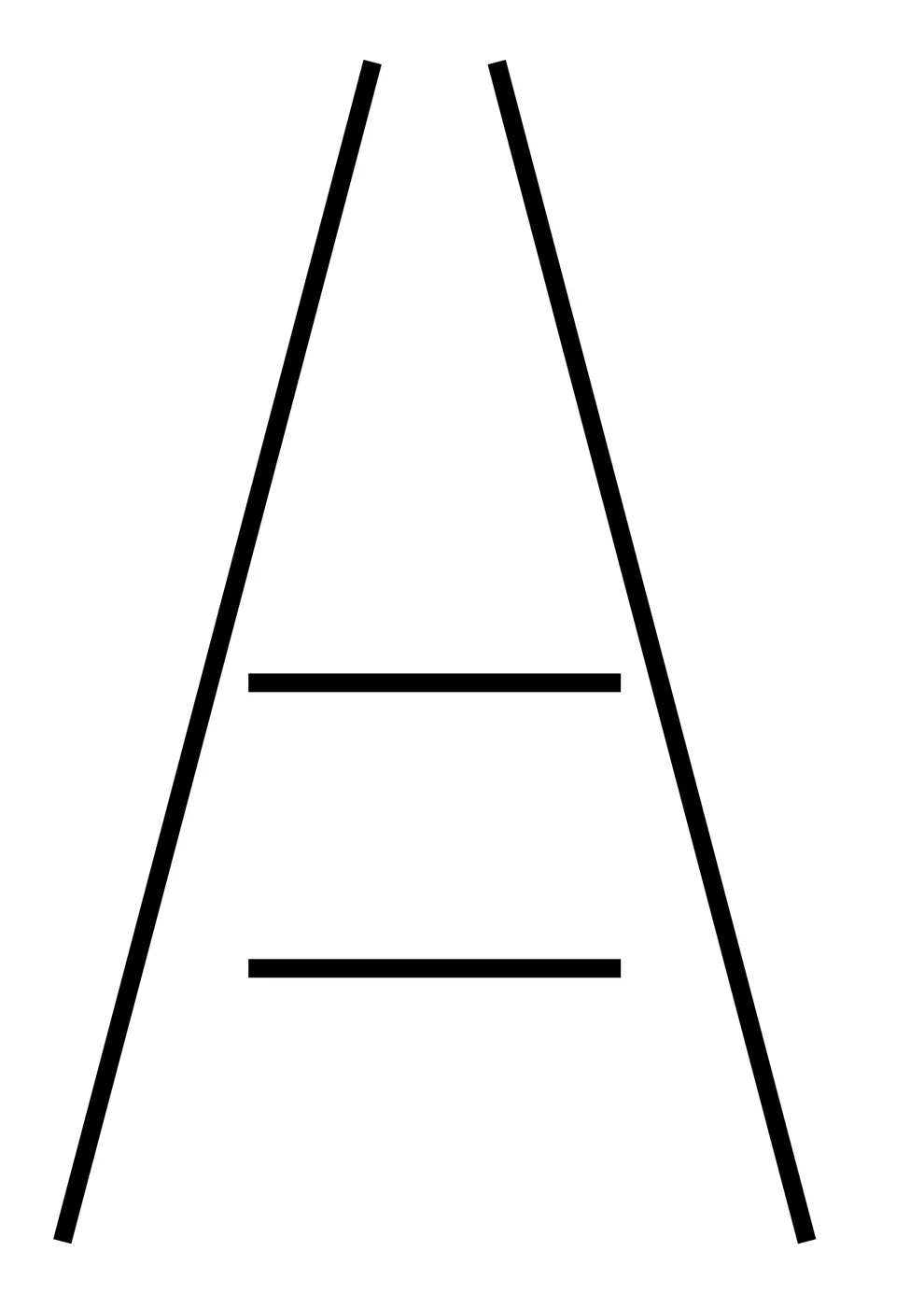

The apparent distance hypothesis has its awkward points, though. When people are asked about the horizon Moon, many say it looks not only bigger but, if anything, closer. There are other theories too, such as the idea that the Moon looks bigger by comparison with trees and buildings close to it, and no single theory has won out.
The illusion isn’t limited to the Moon. The Sun and constellations near the horizon also seem larger, and a big setting Sun is the same phenomenon. Many people say that viewing the Moon through a rolled-up paper tube, with the surrounding scenery hidden, weakens the effect. Next time you see a huge Moon, give it a try.