What is the hardest material in the world?
Diamond is the classic answer, but it can change depending on how “hardness” is defined and measured.
10
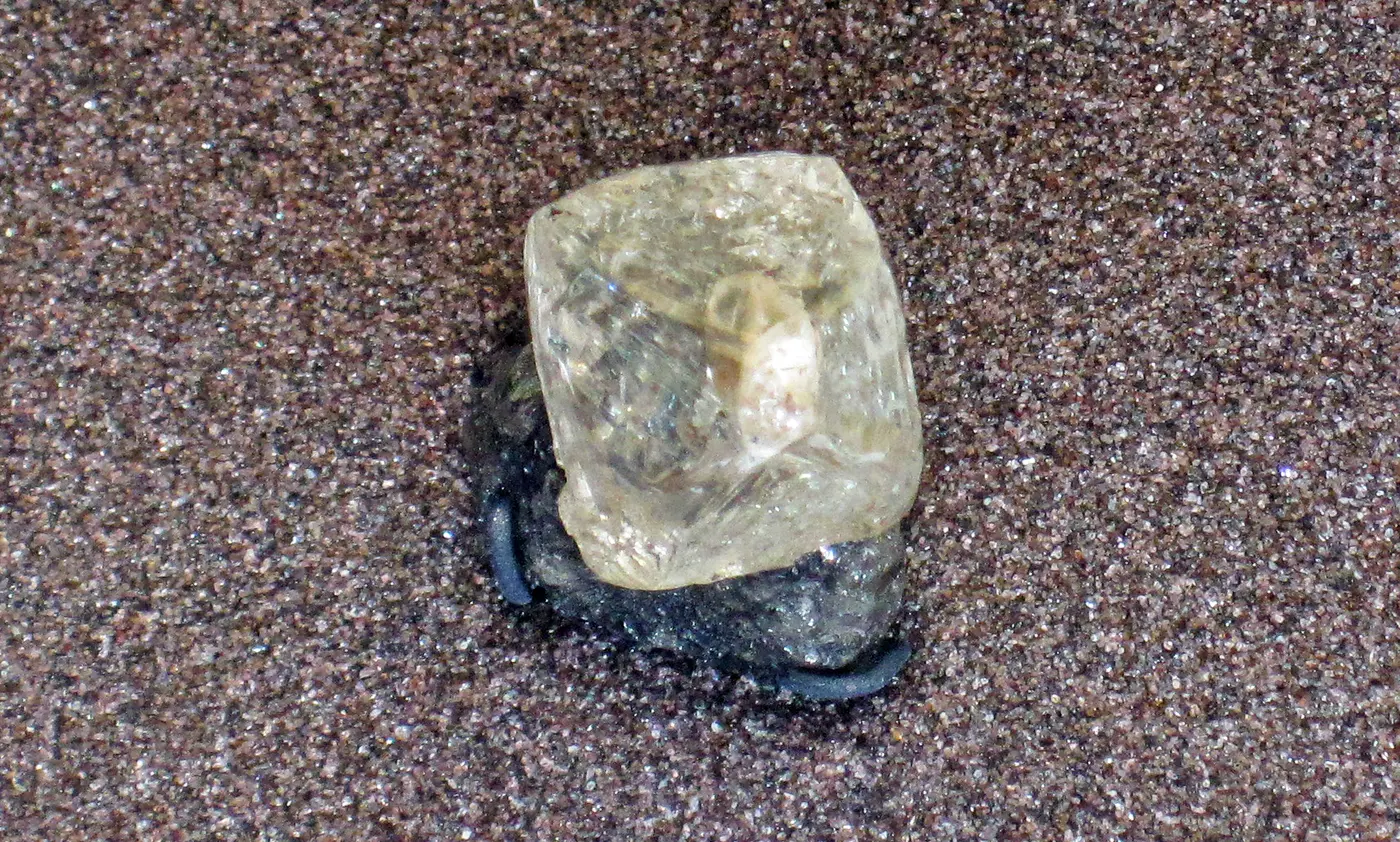
Ask people what the hardest thing in the world is, and most will say diamond. And indeed, diamond is by far the hardest natural substance, used not only as a gemstone but also in tools that cut and grind stone, glass and metal.
Dig into what “hardness” actually means, though, and things get surprisingly complicated. In the world of research, the names of materials that might outdo diamond have come up again and again.
The Mohs scale, a yardstick for hardness
The best-known yardstick for hardness is the Mohs scale, devised in 1812 by the German mineralogist Friedrich Mohs. It uses ten reference minerals and ranks them from 1 to 10 according to which can scratch which. The softest, at 1, is talc; at 9 is corundum, the mineral family that includes rubies and sapphires; and at the top, 10, is diamond.
The Mohs scale, however, only shows order. Its steps are not evenly spaced. Depending on the method of measurement, the gap between corundum at 9 and diamond at 10 is said to be several-fold. Diamond doesn’t just edge out the other minerals; it leaves them far behind.

Same carbon, yet pencil lead is soft
Diamond is made of nothing but carbon atoms. Each carbon atom is tightly bonded to four neighbors, and this framework extends endlessly in three dimensions. Whichever direction it is pushed from, the rigid framework absorbs the force, so diamond is extremely hard to deform.
The fun part is that graphite, the “lead” in pencils, is also made of nothing but carbon. In graphite, the carbon forms flat sheets, and the sheets are held together only by weak forces, so they slide off one another easily. That is why a pencil can write on paper. The same atom can make the hardest substance or a soft one, depending entirely on how the atoms are arranged.
Hard, but not unbreakable
It is worth noting that being “hard” and being “hard to break” are two different properties. The Mohs scale measures resistance to scratching. Resistance to breaking when struck is called toughness.
Diamond is extraordinarily resistant to scratches, but it has a property called cleavage, meaning it tends to split along certain directions. Hit it hard with a hammer and it can crack or chip. Even the gem said to be the world’s hardest is by no means invincible.
Contenders for the crown
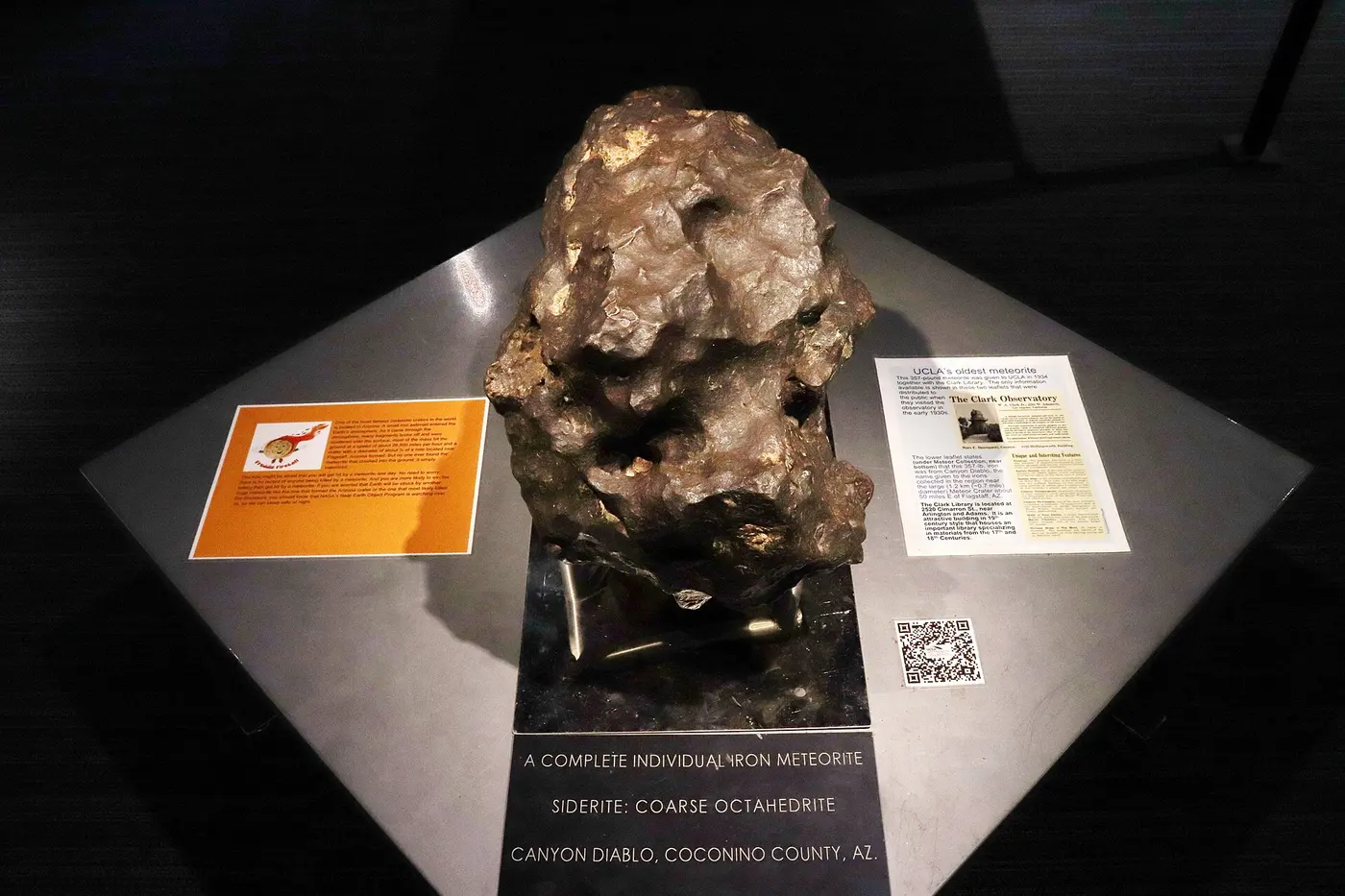
So is there anything harder than diamond? Two names often come up: lonsdaleite and wurtzite boron nitride. Lonsdaleite is made of carbon, just like diamond; only the way its atoms are stacked differs. It has been found in places such as meteorites. A computer simulation published in 2009 predicted that under certain conditions, lonsdaleite could be about 58% harder than diamond, and wurtzite boron nitride about 18% harder.
This, however, is only a calculation. Pure, large crystals of either material are hard to obtain, and neither has actually been measured and confirmed to beat diamond. For wurtzite boron nitride, experiments have even reported that it is considerably softer than diamond.

Meanwhile, some synthetic diamonds have been shown in experiments to be harder than ordinary crystals. A research group at Ehime University in Japan created “nano-polycrystalline diamond,” packed with extremely tiny crystals; announced in 2003, it proved as hard as or harder than single-crystal diamond. In 2014, a team from China and other countries reported that “nanotwinned diamond,” with an even finer structure, was about twice as hard as natural diamond. For now, it seems, the world title is being defended by diamond itself, in new forms.